
Why it matters: The success of Intel's upcoming 18A process node is critical to the company's future. After refuting reports of abysmal yield rates, Intel recently confirmed that 18A has reached a crucial milestone in its effort to regain competitiveness against semiconductor rivals Samsung and TSMC.
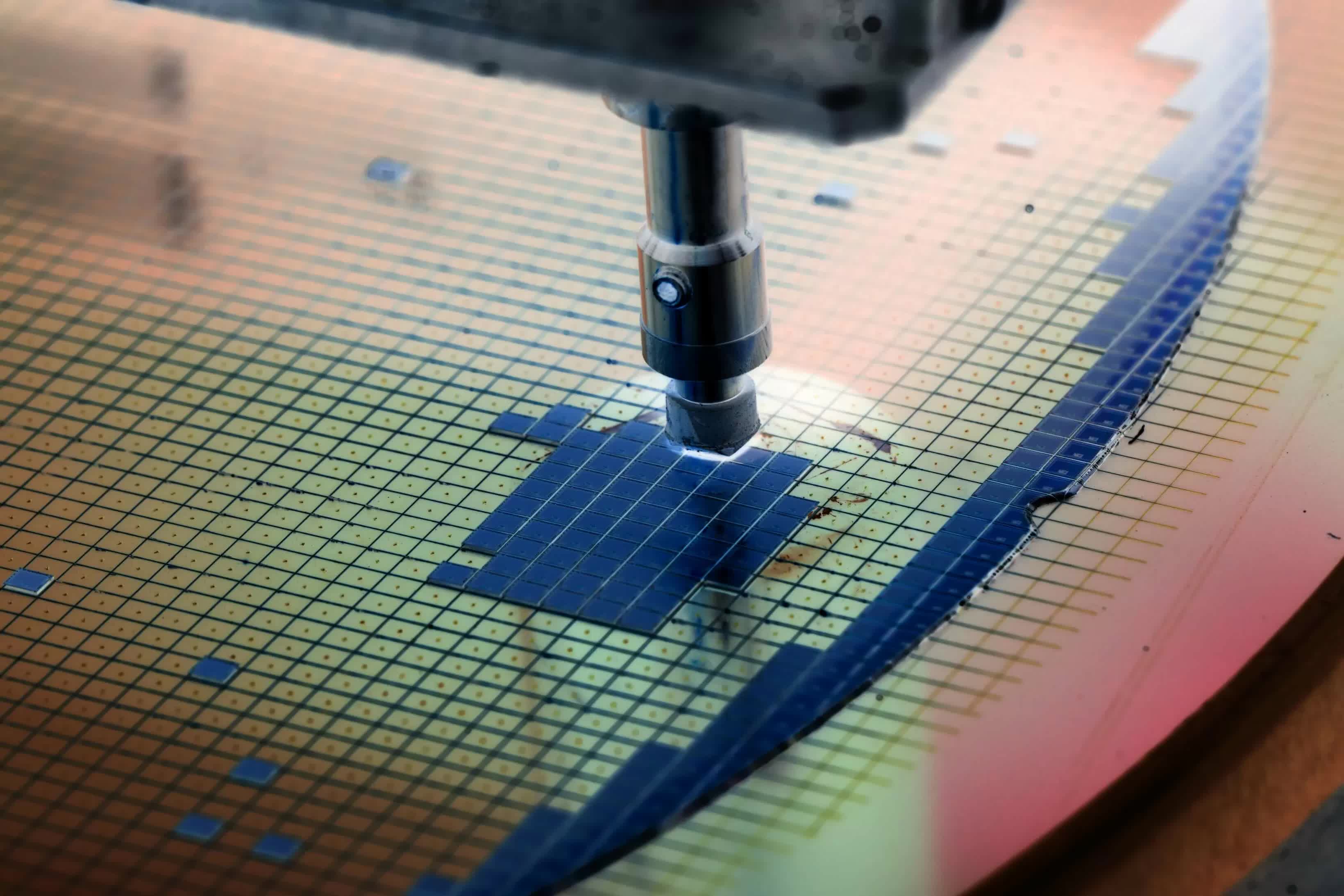
Interim Intel co-CEO Michelle Johnston Holthaus announced that the first engineering samples of hardware manufactured with the company's 18A semiconductor node have been delivered to customers. Her comments aim to reassure industry observers that Intel's foundry business remains on track to compete with TSMC's and Samsung's 3nm and 2nm nodes starting next year.
At the Barclays Annual Global Technology Conference, Holthaus and co-CEO David Zinsner discussed Intel's upcoming Panther Lake processors, which will debut the 18A process node upon their expected launch in the second half of 2025. Holthaus revealed that eight foundry customers have powered on ES0 (likely "Engineering Sample 0") chips built on the 18A node, signaling significant progress compared to six months ago.
Intel released version 1.0 of the 18A process design kit in July, enabling customers to begin developing chips based on the node. In August, the company confirmed that internal samples of Panther Lake and Clearwater Forest processors, built on the 18A node, successfully powered on and booted Windows with satisfactory performance. The statements made at the Barclays event mark the first confirmation of 18A usage outside of Intel.
Also see: What's next for Intel: Split, sell, or shut down the fabs?
Semiconductors produced with the 18A node will integrate Intel's new RibbonFET gate-all-around technology and PowerVia power delivery architecture, both designed to improve performance-per-watt and power efficiency. Intel hopes these innovations will help it reenter the race for leadership against the most advanced nodes from TSMC and Samsung.

The successful launch of Panther Lake and the 18A node could provide a desperately needed win for Intel. The company has faced significant challenges recently, including the resignation of former CEO Pat Gelsinger following several disappointing quarters. Skepticism about Intel's foundry business persists, with even industry veterans like TSMC founder Morris Chang expressing doubts about its prospects.
Intel has also had to address concerns regarding 18A's yield rates, following reports suggesting that nine out of ten chips manufactured on the node were defective. However, when accounting for factors like die size, defects per square centimeter, and the types of products involved, the outlook appears more optimistic.
Panther Lake CPUs, targeted at laptops, are expected to feature up to six Cougar Cove performance cores and up to eight Skymount efficiency cores. These processors will also include integrated GPUs based on Intel's third-generation Xe graphics architecture, codenamed Celestial.
Intel foundry customers have successfully powered on 18A node engineering samples


