
A hot potato: Users with 13th- and 14th-generation Intel desktop processors should begin checking for BIOS updates from their motherboard providers. A new microcode update fixes edge cases that can trigger the Vmin Shift glitch that the company addressed last year. Those whose CPUs are still crashing should take advantage of Intel's extended warranty for the processors, which remains in effect.
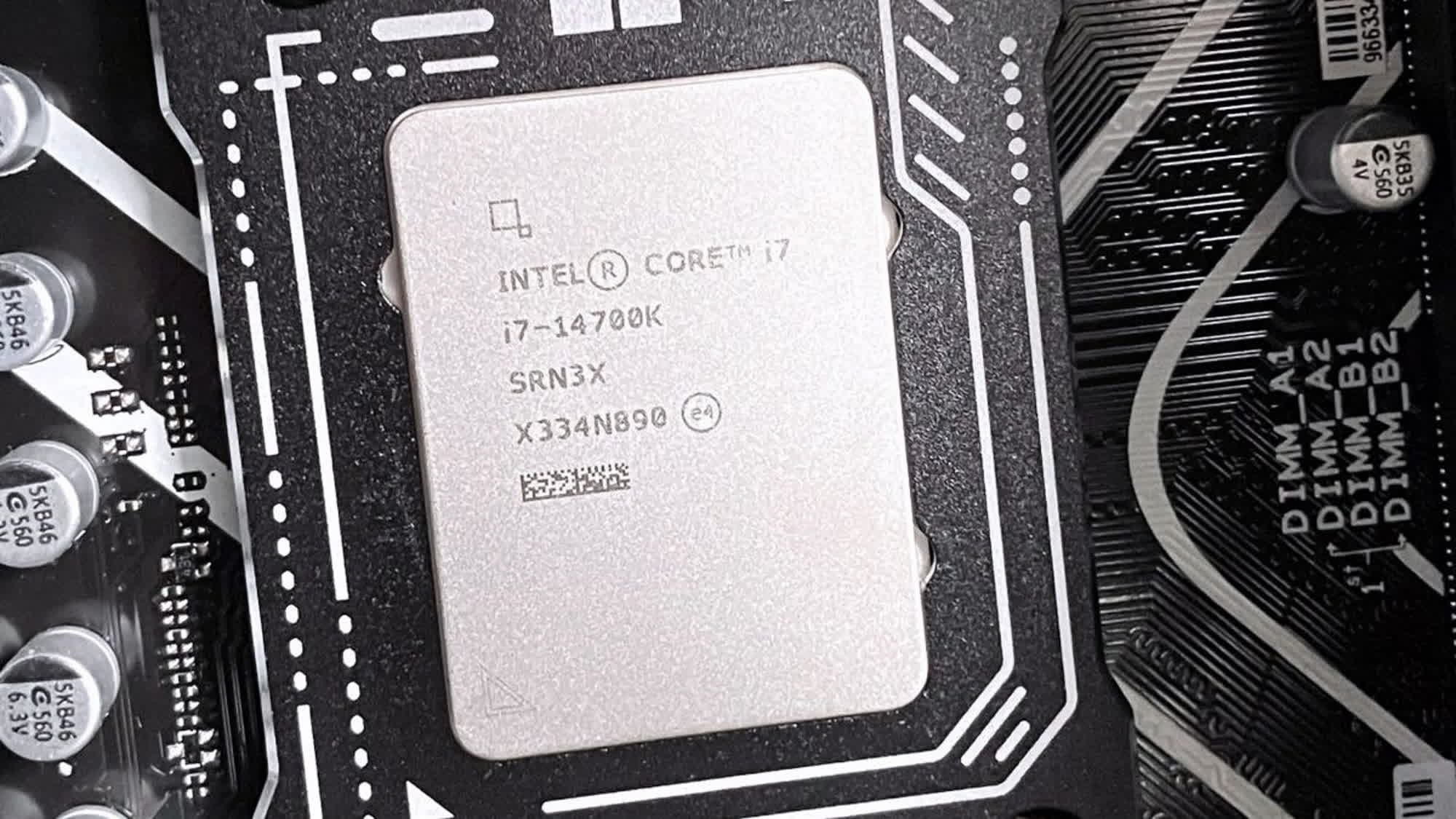
Several months after Intel seemingly solved a controversial bug affecting 13th- and 14th-generation Raptor Lake desktop processors, the company has released a new microcode patch related to the issue. The update comes after Intel discovered additional rare scenarios that could crash the CPUs and cause permanent damage.
The recently released 0x12F microcode patch should begin appearing in BIOS updates from various motherboard manufacturers in the coming days and weeks. Users should check support pages on motherboard-vendor websites regularly.
Intel released the new patch following reports of crashes on PCs sitting idle or performing light tasks continuously for several days. The crashes are related to the Vmin Shift bug that affected Raptor Lake and Raptor Lake Refresh processors throughout most of 2024.
Following months of investigation, Intel discovered that a combination of microcode errors, elevated power settings, and other factors caused the CPUs to receive unsafe voltages. Later named Vmin Shift, the issue crashed 13th- and 14th-generation Intel desktop processors rated for 65W or higher when handling intense workloads such as shader compilation and video encoding.
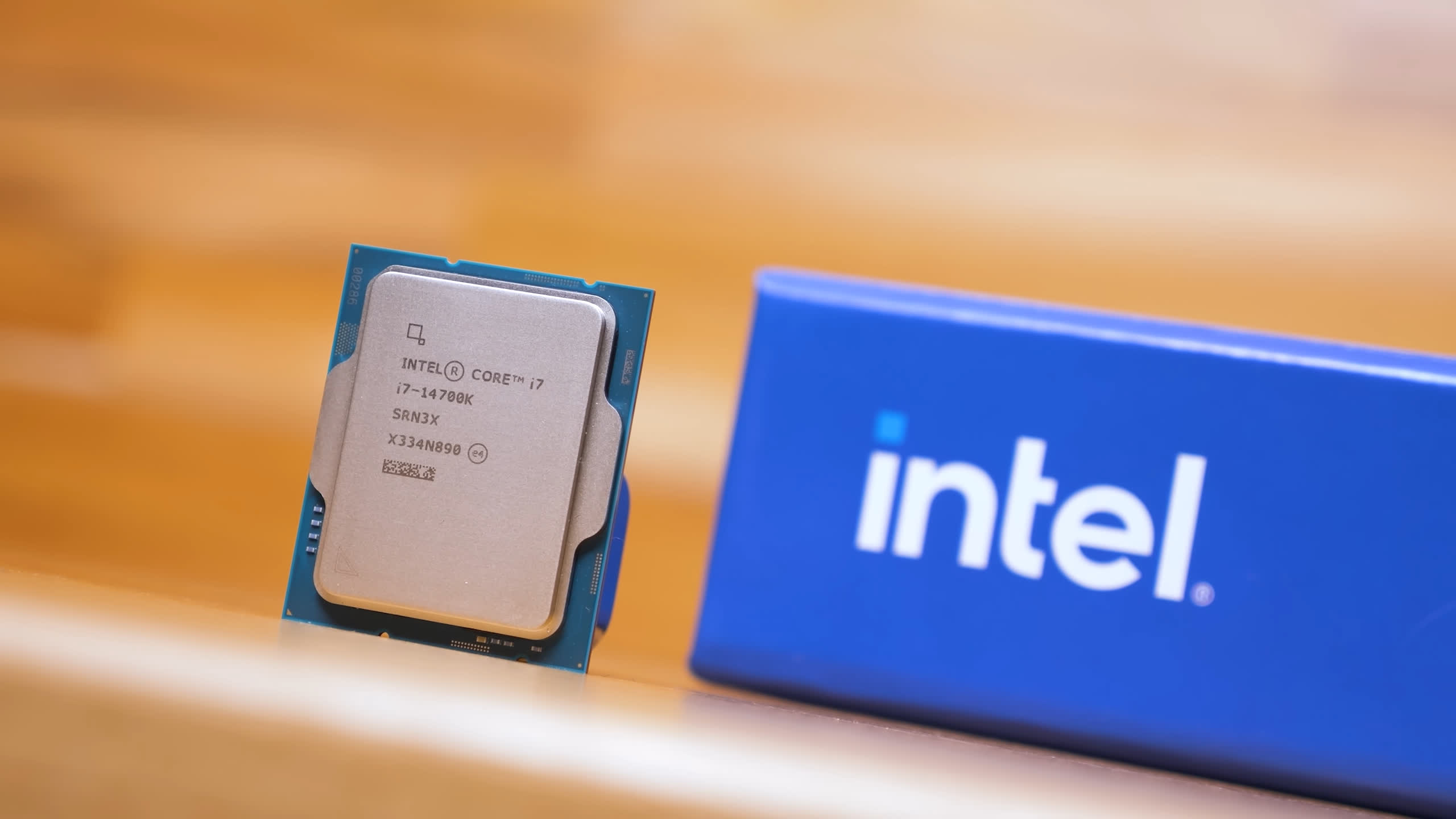
The 0x125, 0x129, and 0x12B patches Intel released last summer mostly solved the issue. Unfortunately, the microcode updates can only prevent crashes in units that aren't yet affected. Since the bug causes permanent damage, CPUs that have begun crashing must be replaced.
Fortunately, Intel extended the warranties for the affected processors by two years, so impacted users can request RMAs. Warranties for the oldest boxed CPUs will likely last until at least late 2027 or early 2028. Affected customers with pre-built PCs should check each manufacturer's website to determine whether their vendor has updated the warranty. Users with Raptor Lake CPUs who haven't yet applied 0x12F and have encountered no crashes should implement Intel's recommended voltage settings and avoid running their PCs for multiple days on end.
Although Intel admitted that 0x12B might cause minor performance degradation in a few programs, it detected no further performance impact from 0x12F.
Intel issues new microcode to fix rare Vmin Shift crashes on Core 13th- and 14th-gen CPUs


