In context: For now, Intel holds the title of the world's biggest spender on chip research and development – a distinction that underscores both its ambition and its struggle. But Nvidia is closing in fast, with projections showing it could overtake Intel as soon as next year. The looming shift would mark more than just a change in rankings: it's a signal that Intel's massive outlays have yet to deliver the breakthroughs needed to reclaim its leadership in the semiconductor race, even as rivals gain ground.
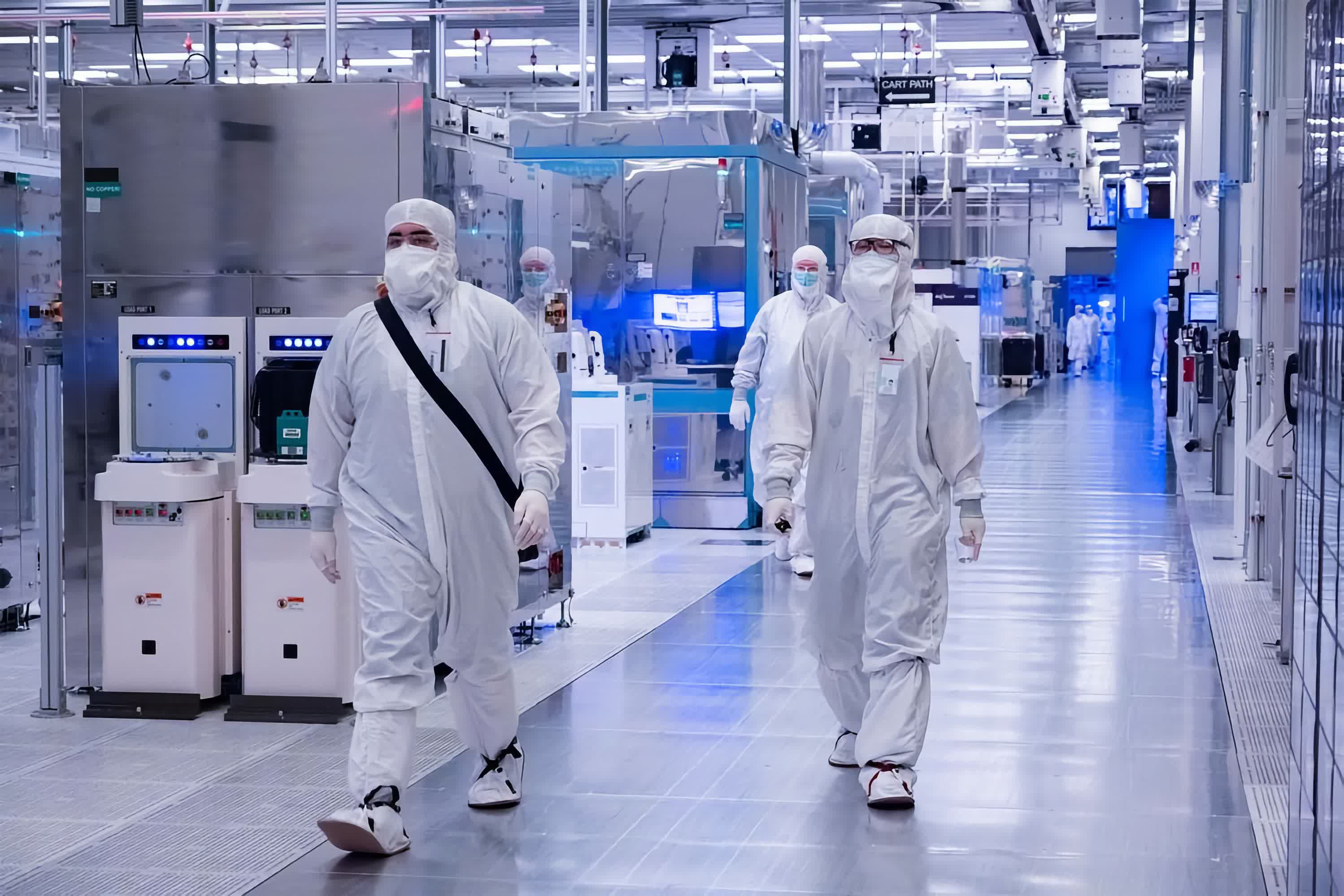
Intel spent more than any other major chipmaker on R&D last year, devoting $16.55 billion to sharpening its manufacturing processes. Despite the massive outlay, the US giant has yet to produce the kind of technological breakthrough it badly needs to regain its footing in the semiconductor race.
Data compiled by market tracker TechInsights, cited in a report by JoongAng Daily, shows that Intel maintained its lead in total R&D spending among leading chipmakers. However, the company's investment grew by just 3.1 percent from the prior year – far slower than rivals such as Samsung Electronics, whose R&D spending surged by 71 percent.
Intel's spending is closely tied to its push for advanced manufacturing, particularly the development of its 18A process, a 1.8-nanometer class technology the company hopes will restore its competitiveness in cutting-edge logic chips. Progress, however, has been uneven. Reports of unstable yield rates and weak foundry output have raised doubts about whether Intel can deliver commercial products on the timeline it has promised.
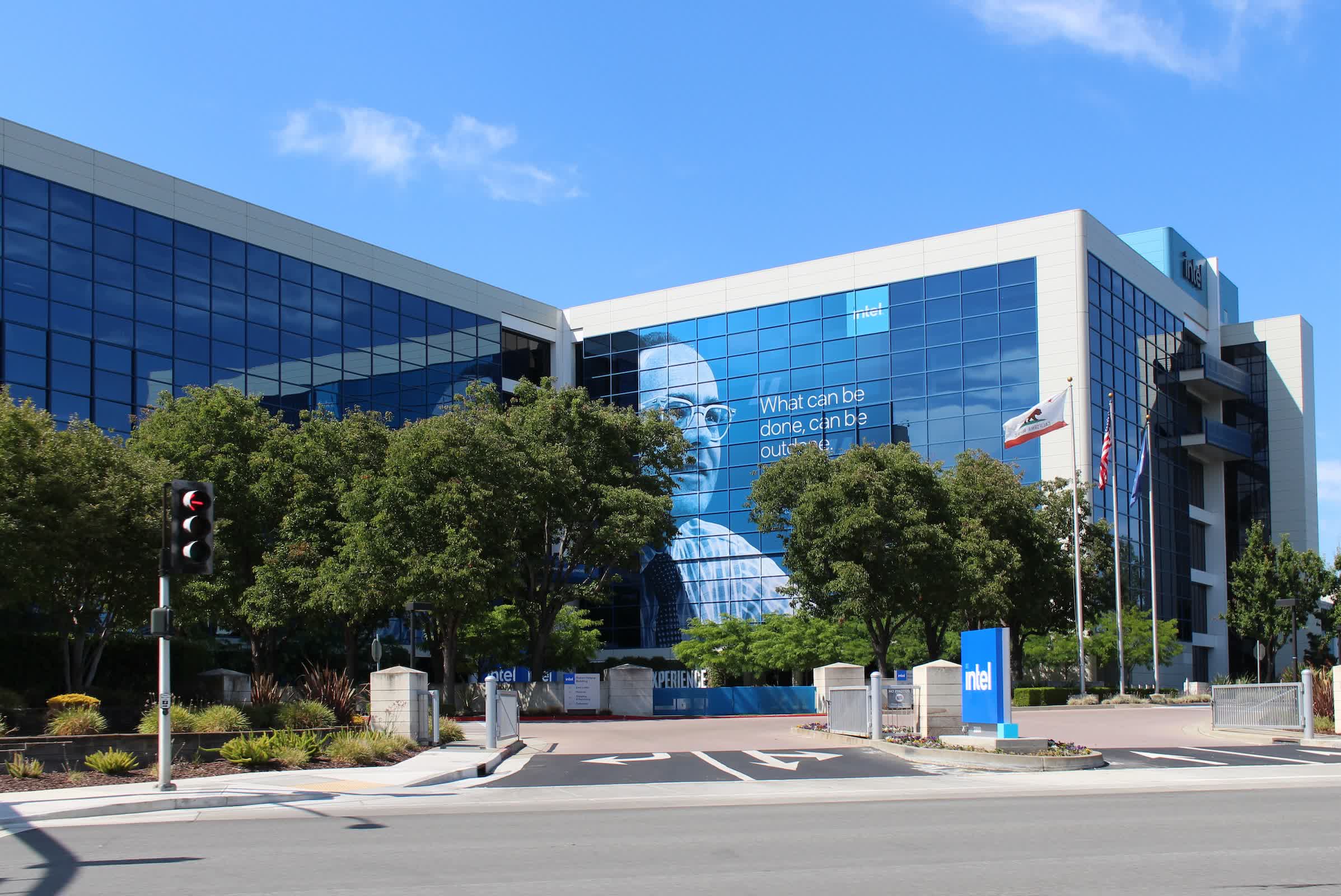
The stakes are high. Intel is the only US-based chipmaker that both designs and manufactures chips in-house – a capability policymakers consider strategically vital.
To keep pace, the company has invested tens of billions of dollars into its foundry operations during and after Pat Gelsinger's tenure as CEO. At the same time, new chief executive Lip-Bu Tan has already begun scaling back some of those costs. Still, the effort has taken a toll: Intel recorded an $18.8 billion loss last year.
The contrast with rivals highlights the risks in this high-stakes contest. Samsung, the biggest climber in TechInsights' rankings, boosted its R&D budget to $9.5 billion in 2024, up from $5.5 billion the previous year.
The surge propelled the Korean conglomerate from seventh to third place in R&D spending. Yet analysts caution that it remains uncertain whether this aggressive investment will translate into a meaningful edge in areas such as 2-nanometer production and gate-all-around transistor designs.
Other leaders in the sector have taken varied approaches. Nvidia increased its R&D spending by 47 percent to $12.5 billion, placing it second behind Intel. TSMC, meanwhile, maintained a steadier trajectory, raising its R&D investment by 8.8 percent to $6.36 billion.
Unlike Intel and Samsung, TSMC focuses exclusively on fabrication rather than chip design, making it the only pure-play foundry in the top ten of TechInsights' list.
Altogether, the 20 largest semiconductor companies spent nearly $99 billion on research in 2024, a 17 percent increase over the prior year. US companies led in R&D intensity, with Intel, Broadcom, Qualcomm, and AMD topping the rankings when measured as a share of revenue. Intel devoted 33.6 percent of its revenue to research, more than triple Nvidia's 10.8 percent.
Intel tops semiconductor R&D spending with $16.5 billion, but breakthrough still elusive


