The big picture: Intel CEO Lip-Bu Tan has been a strong champion of his dual identities as a technologist and an investor. In public appearances, he frequently references his hundreds of chip-sector investments, crediting them as insights into the industry's direction. That combination of access and influence has undoubtedly accelerated Intel's reach into AI – while testing the boundaries of where a business leader's interests end and an investor's begin.
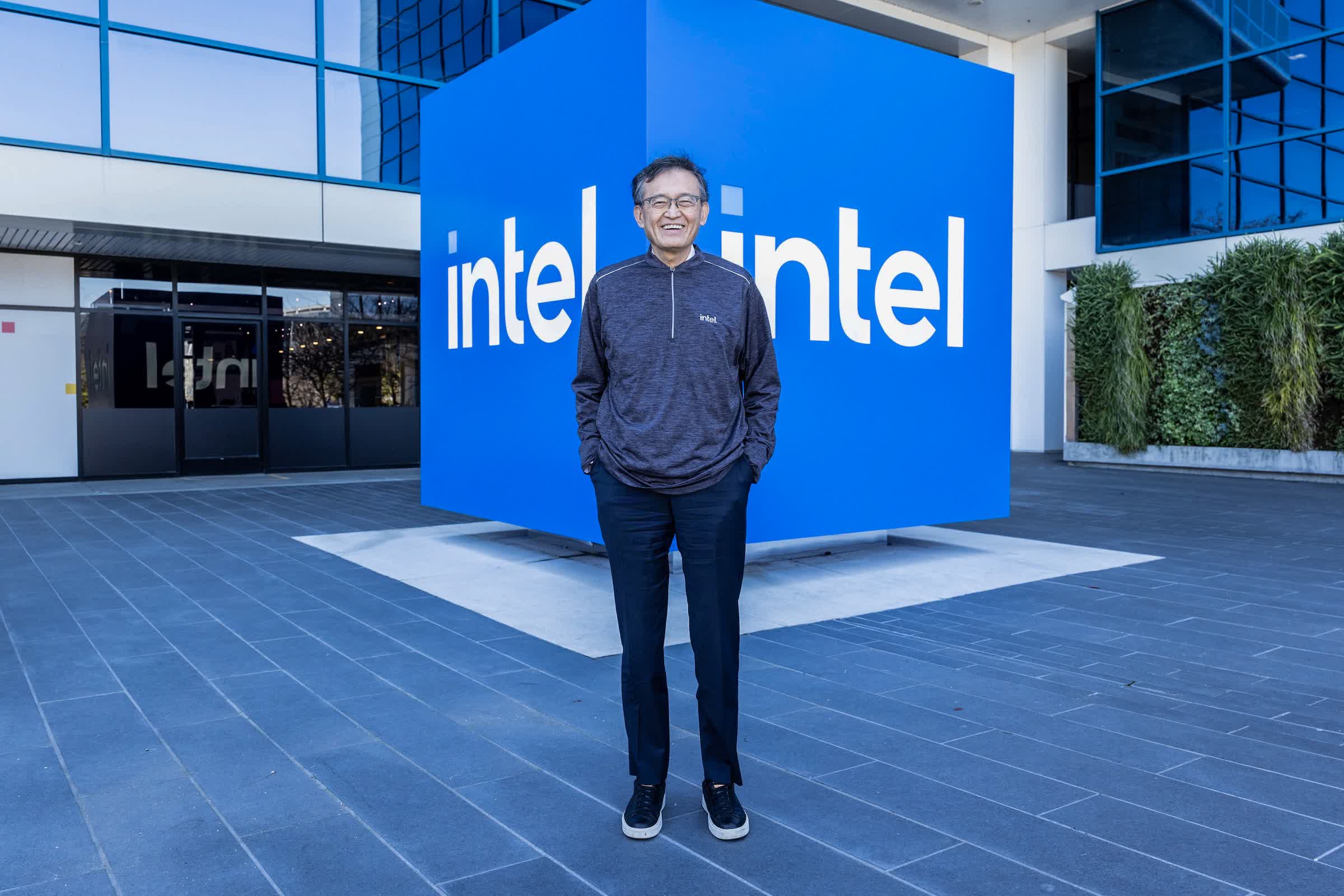
When Tan pitched his board on acquiring the AI chip startup Rivos this summer, he did so from both sides of the table. Tan also chaired Rivos, the same company he wanted Intel to buy, according to three people familiar with the discussions. The board rejected his proposal, citing a conflict of interest and what it saw as an unconvincing strategy for the company's artificial intelligence roadmap.
Tan instructed one of his senior deputies to draft a new AI initiative that could support future collaboration with Rivos, the people told Reuters. That effort almost immediately collided with outside pressure when Meta began pursuing Rivos and ultimately made a competing offer. Intel countered with its own bid, followed by Meta's higher one, triggering a bidding war that pushed the deal far past Rivos' prior $2 billion valuation. Sources familiar with the negotiations placed the final price tag near $4 billion, forcing Intel to retreat.
Meta announced its acquisition of Rivos in September, the culmination of a fierce contest that left the social media company paying a significant premium while Rivos' investors – among them Tan's venture firm, Walden Catalyst – celebrated the outcome online. In a post on its website, Walden described the sale as a "successful outcome" for its backers and congratulated Rivos' leadership for the result.
Intel declined to make Tan available for comment, while Meta and Rivos did not respond to requests for interviews.
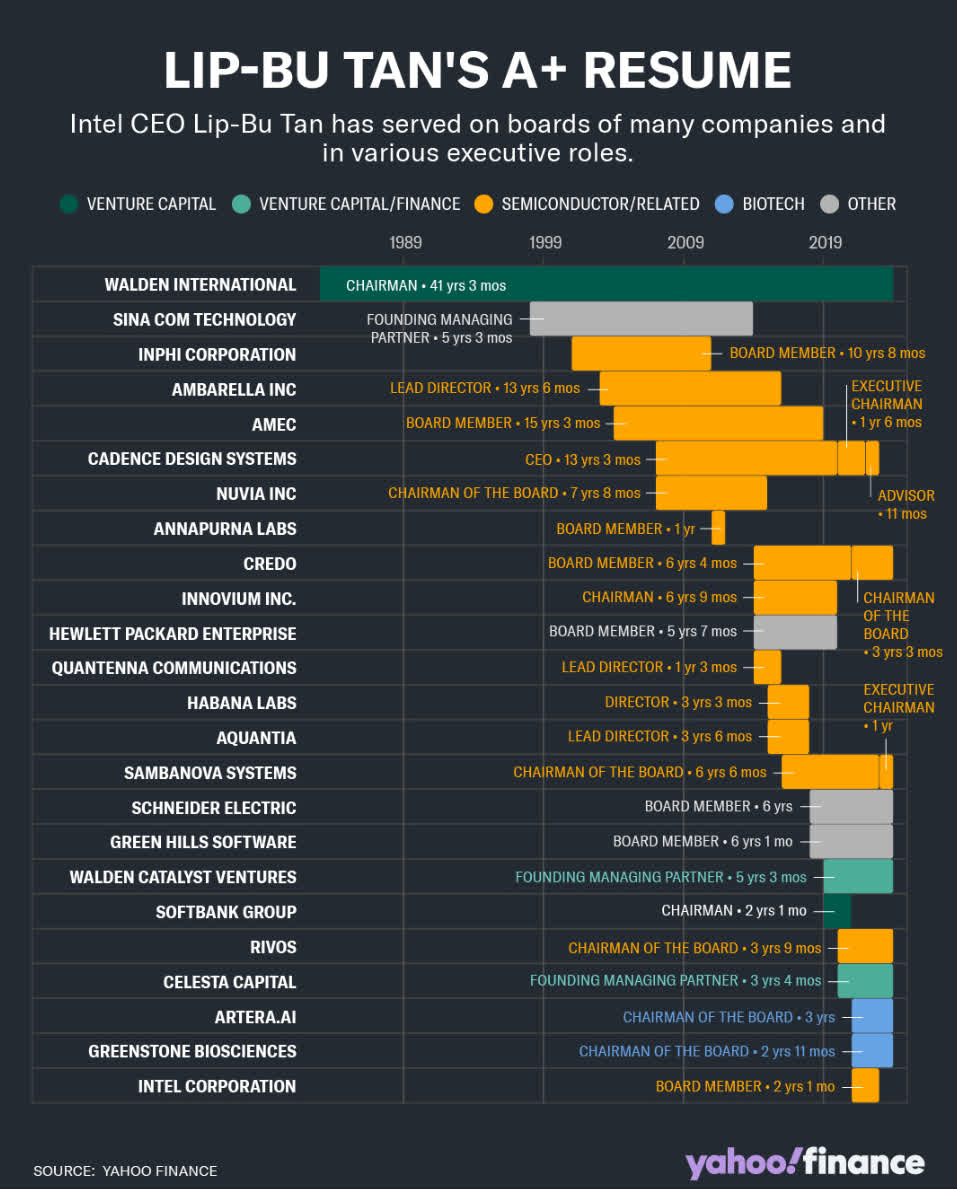
Tan, who joined Intel as CEO in March 2025, brought decades of experience as a venture capitalist and a longtime investor in startups across the semiconductor supply chain. He built that reputation through ventures including Walden International, Celesta Capital, and A&E Investment LLC, names that have appeared repeatedly alongside Intel Capital – the chipmaker's venture arm – in funding rounds since 2019.
Those connections swiftly reshaped Intel's internal operations. After taking the helm, Tan reversed an earlier plan to spin off Intel Capital and instead placed it directly under his authority. Three people familiar with the reorganization said the unit's investment committee was reduced to two members: Tan, and Intel's Chief Financial Officer, David Zinsner, who reports to him. Intel did not comment on the change, and Zinsner was not available for an interview.
Intel Capital has since participated in several investments linked to Tan's personal holdings, including a September Series D round for proteanTecs, a chip telemetry company in which Tan also holds shares through Celesta Capital and A&E. Two employees familiar with the matter said some within Intel felt pressure to consider portfolio companies where Tan had an interest to align with his strategic priorities. ProteanTecs and the venture firms did not comment.
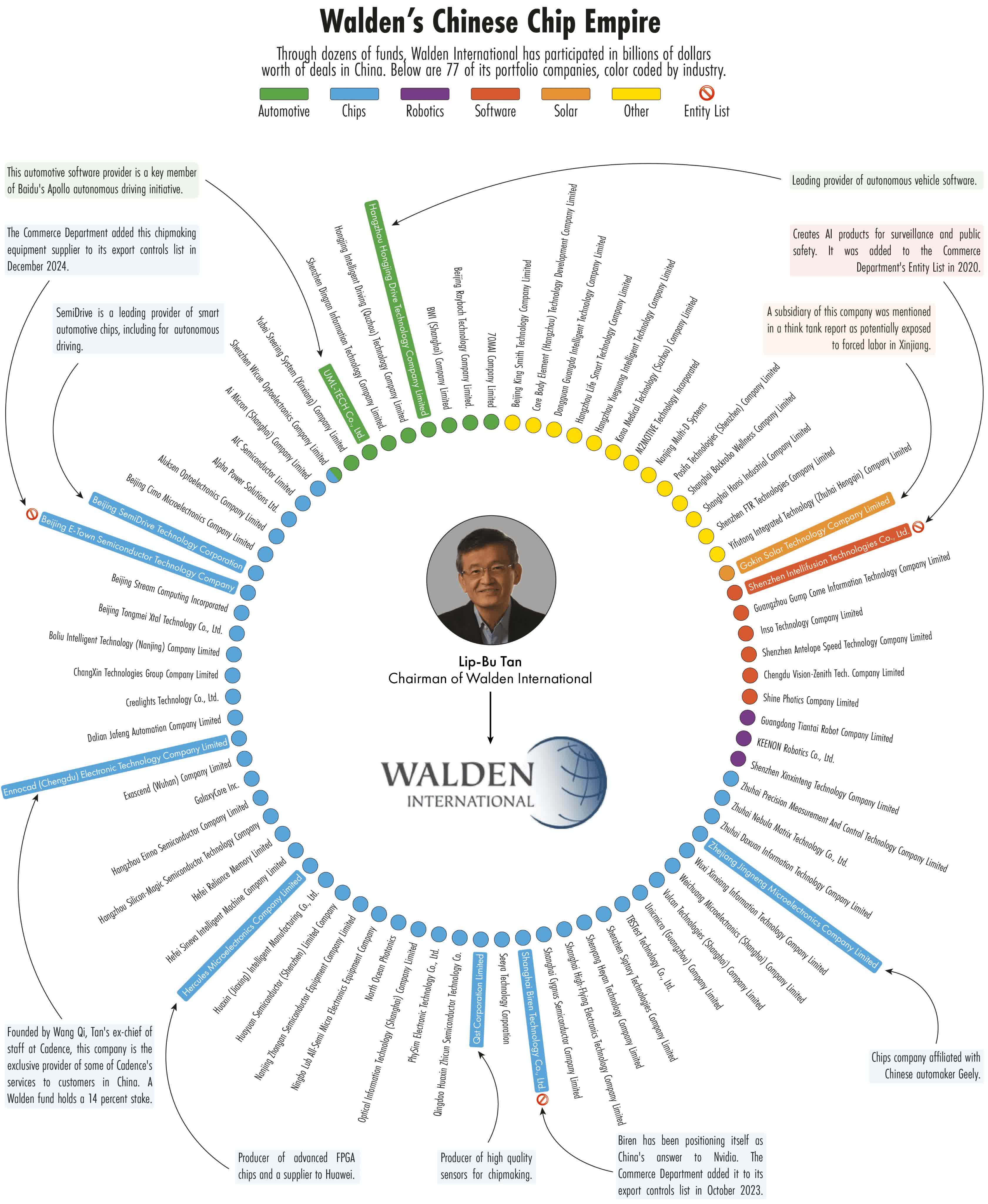
Intel defended its governance practices in a statement, emphasizing its "unwavering commitment to integrity and accountability" and arguing that Tan's "relationships across the global semiconductor ecosystem are invaluable" as Intel seeks to reposition itself in the AI hardware race.
The board has implemented procedures requiring Tan to recuse himself from any investment or acquisition decisions in which he might have a personal interest, according to sources familiar with the company's policy. When such recusals occur within Intel Capital, decision authority passes to Zinsner. These steps, common in large corporations, have nonetheless become more frequent for Intel under Tan due to his extensive outside holdings.
Tan's push to buy Rivos reflected a broader recognition within Intel that its earlier efforts to build competitive AI chips lagged behind rivals. "Advancing its AI strategy" has been central to Tan's agenda, according to company statements, as Intel seeks to recover from years of declining market share and a staggering $19 billion loss last year.
At the same time that Intel was pursuing Rivos, Tan explored similar opportunities with SambaNova Systems, another startup where he served as executive chairman. Three people familiar with Intel's internal discussions said Tan also pitched a SambaNova acquisition to the board, suggesting it could help fill gaps in Intel's hardware and software portfolio. Those talks remain ongoing, and both companies have signed a non-binding term sheet, according to one of the sources.
Intel's complex web of investments sits under the scrutiny of regulators. The Securities and Exchange Commission will not require Intel to disclose related-party transactions involving Tan until its next filing season in spring 2026. Under US disclosure rules, such deals must be revealed when personal benefits to executives exceed $120,000.
Intel's policy allows certain transactions to proceed without special review if an executive holds less than 10% of a related company and the deal's value falls under $1 million or 2% of that company's revenue. It remains unclear how many of Intel's current partnerships meet those thresholds.
Corporate governance specialists have expressed mixed views on Tan's dual roles. Daniel Taylor, a professor at the Wharton School who studies disclosure and insider trading, said conflicts are inevitable in such cases but not automatically damaging. "You don't want to preclude making good investments because your CEO is well connected," he told Reuters. Others argue that Intel could have reduced risk by assigning oversight of Tan's outside holdings to an independent committee or by placing them in a blind trust.
Intel's CEO is also a major startup investor, and it's starting to get messy


