Unified What: Over the past few years, Intel has gone all-in with its hybrid core design approach. Chipzilla's newer CPUs include a varying mix of efficiency, performance, and AI cores, which can cause annoying reliability issues in specific scenarios like gaming. But it appears that Intel is changing direction once again.
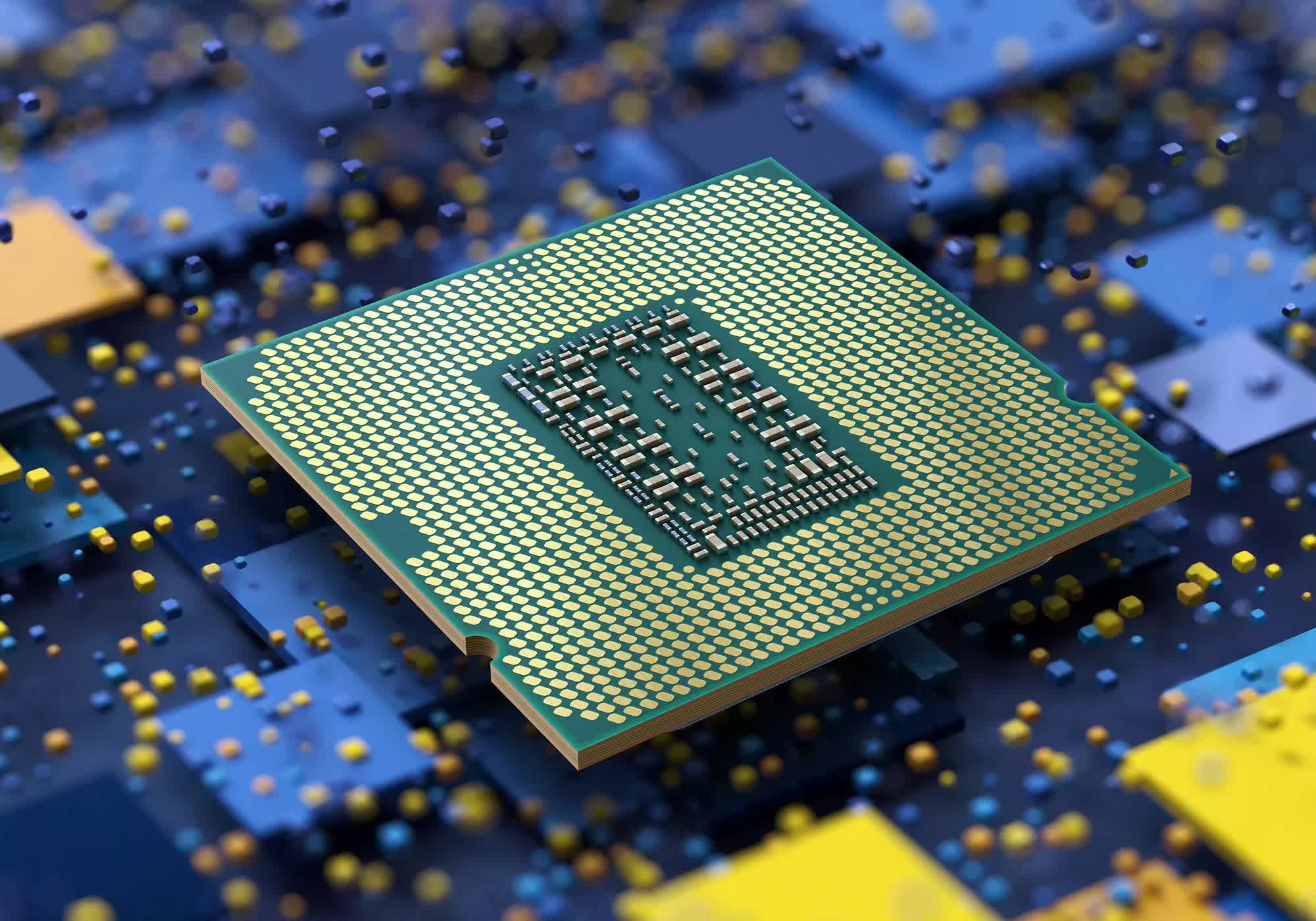
Intel is looking for a new Senior CPU Verification Engineer, a highly skilled position that could introduce some massive changes in the company's upcoming CPUs. The new hire is expected to work together with the "Unified Core" team, a group that has not officially been introduced. Regardless, Intel is working on something big that could take years to fully materialize in commercial products.
Intel expects the new Senior Verification Engineer to join the Unified Core team in Austin, Texas, and check the "functional correctness" of CPU logic designs before any silicon sample is etched. The engineer will run simulations to discover any bugs in the CPU design, and debug and fix the issues. Furthermore, the hire will work closely with CPU architects to check major architectural features.
The Santa Clara corporation is essentially asking for a mix of knowledge and engineering skills that very few people have, but it is offering the right compensation for the job. The annual salary can range between $141,910 and $269,100, and the role clearly requires on-site presence.
We still don't know what the Unified Core team is currently working on, but we can assume it's something significant. Rumors about a unified computing core architecture started spreading in 2025, hinting at a new core design that would do away with many of the intricacies featured in recent architectures.

Intel began splitting its core technology in performance cores and efficiency cores with the Alder Lake architecture and is still using the hybrid approach to this day. In 2024, the Lunar Lake processors gave up on HyperThreading, the simultaneous multithreading technology Intel had been using since the Northwood-based Pentium 4 CPUs released in 2002.
A unified core architecture would be a massive update to Intel CPUs, which have been lagging behind AMD Ryzen processors for years in terms of performance, innovation, and market share. Team Red's latest release employs both powerful Zen 5 cores and smaller Zen 5c cores, which are based on the same microarchitecture, and Zen 6 is going to build on the same principles to further extend the raw performance edge over Intel.
Intel clearly needs to do something and try to win back part of the enthusiast user base, especially when it comes to gaming. Recent Team Blue processors have caused an endless string of headaches for people trying to correctly optimize their brand-new gaming systems, juggling between "worthless" E-cores, annoying HyperThreading, and process scheduling issues.
The job position for a verification specialist could signal that a new, or significantly reworked, CPU architecture is on the way. The Unified Core team might be working on yet another important change in Intel's x86 CPU architecture timeline, and we should know more details sooner rather then later.
Intel's mysterious "Unified Core" team hints at a major CPU rethink


