
Bottom line: The teardown specialists over at iFixit recently got their hands on Apple's new iPhone 18 Pro series. On paper, not a whole lot has changed compared to last year's model but once the team started diving into the nuts and bolts, they found several noteworthy changes that could help influence your purchasing decision.
The iPhone 18 Pro and Pro Max are the first smartphones from Apple to ship with a variable aperture. Samsung experimented with a similar mechanism years ago with some of its Galaxy and Note devices, but that run was short lived. Apple's implementation features six tiny aperture blades that physically open and close to precisely control how much light reaches the camera sensor.
Each blade is roughly the thickness of a human hair, and utilizes strategically spaced slots and holes to aid in their movement. When activated, they slide past one another with extreme precision that leaves virtually no room for error. It's an impressive feat of engineering, although some will argue that the juice isn't worth the squeeze in this instance.
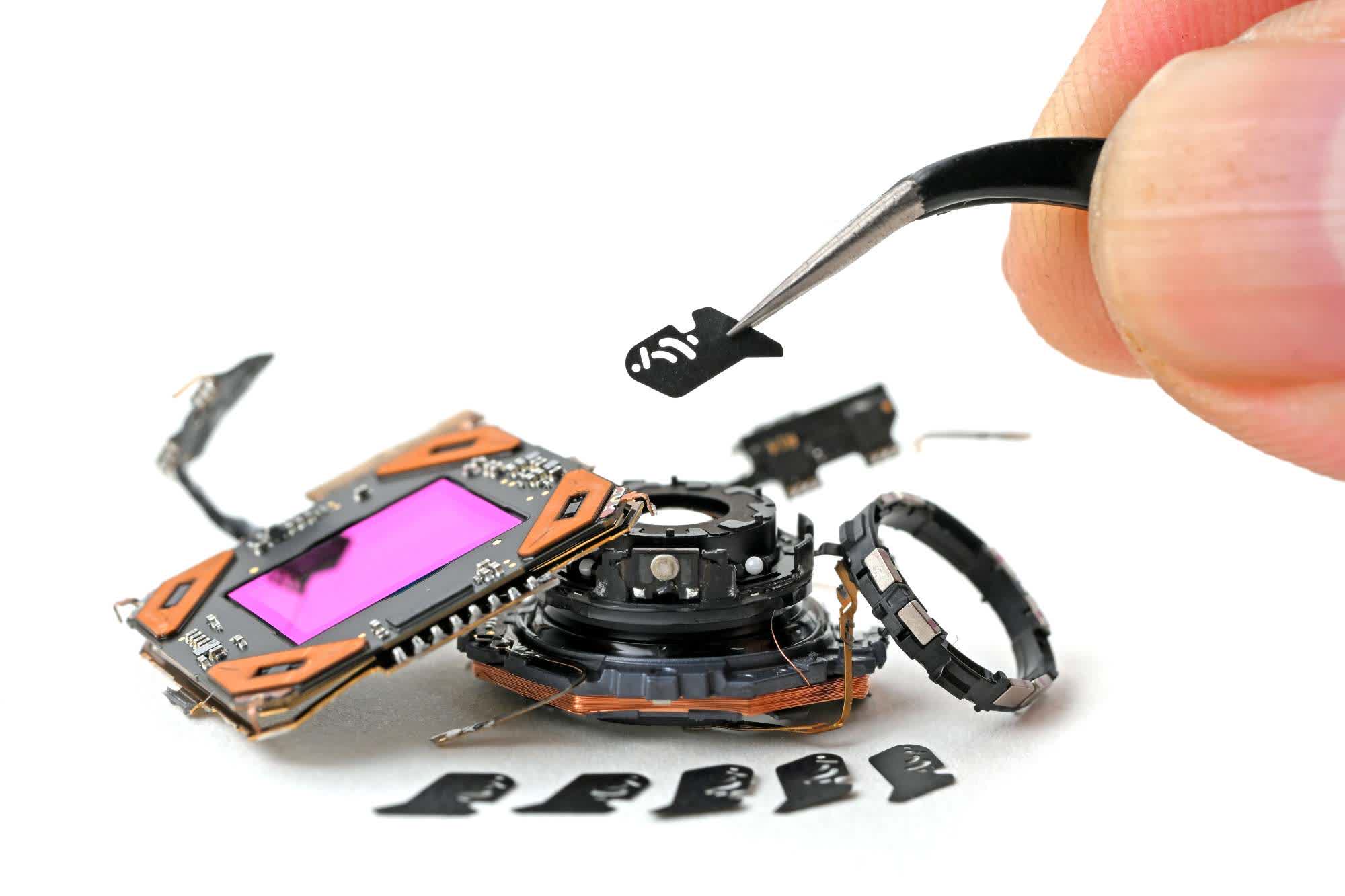
Indeed, if one of the aperture blades were to get stuck or otherwise fail, you'll almost certainly need to replace the entire camera assembly to fix the issue.
Fortunately, swapping out the camera module is "painless," iFixit said.
Another commonly serviced component – the battery – is also relatively easy to replace, although getting to it can be a bit tricky. While the back glass panel of the new iPhone can be opened with ease, there are no serviceable parts when taking this avenue aside from the wireless charging coil. That means you have to go in from the front to get to the battery and contend with the glued-down screen.
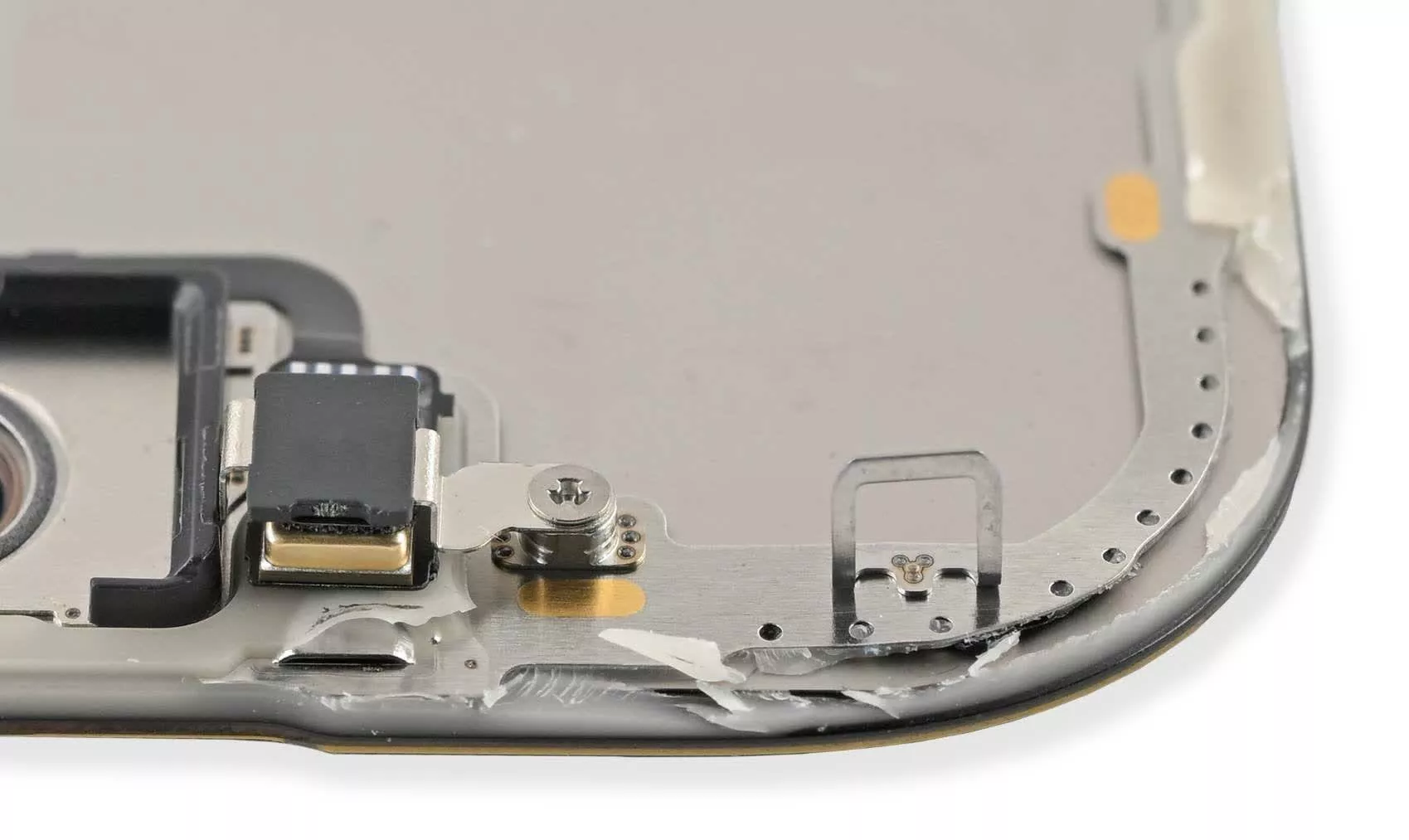
In three of the four iPhones iFixit operated on, the plastic frame around the display broke during removal.
Elsewhere, the new iPhones feature custom packaging that places the A20 Pro silicon die side by side with the memory – effectively removing the memory from the chip's thermal path. This allows the SoC to attach directly to the vapor chamber cooling system for improved thermal performance. According to Apple, the redesigned vapor chamber enables up to a 40% gain in sustained performance over the previous generation.
All things considered, Apple's iPhone 18 Pro and Pro Max earned a provisional score of 7/10 for repairability. For most users, the best course of action will simply be to protect the device with Apple Care and leave any major repairs to the experts.
Image credit: iFixit
iPhone 18 Pro teardown highlights mechanical camera aperture and a major thermal redesign


