First look: In an unusual move for a mainstream hardware manufacturer, Keychron has opened up the blueprints for its popular line of mechanical keyboards, making key elements of their physical design publicly available for anyone to inspect, modify, and use for non-commercial purposes. The company has published editable source files for the cases, plates, and keycaps of its keyboards on GitHub, extending an open-access philosophy it had already applied to its firmware.
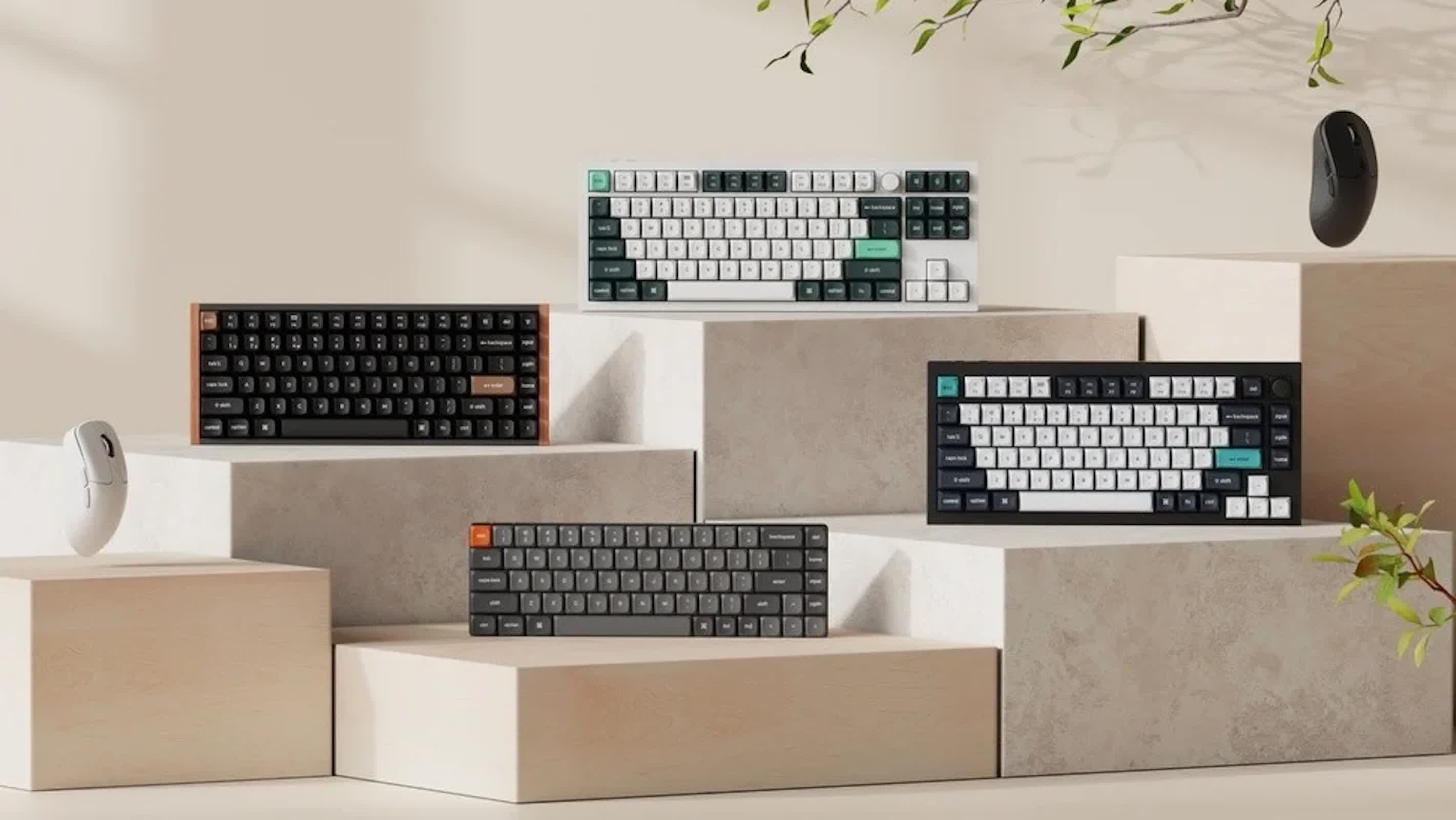
Keychron's devices have long supported the open-source QMK and VIA firmware platforms, allowing users to customize firmware behavior. However, the addition of editable hardware files takes that openness a step further.
The release is not fully open source. Keychron describes the materials as "source available," meaning the company permits personal and educational use but restricts direct commercial replication of its keyboards.
A company representative clarified in a GitHub discussion that while users cannot sell keyboards built from these files, they may use them to produce accessories such as alternative cases or replacement parts. That distinction effectively opens the door to small-scale makers who want to experiment without infringing on Keychron's core product line.
The files, provided in the detailed .STEP format, resemble layered 3D design documents rather than simplified exports. This allows users to adjust dimensions, materials, or mounting structures directly, making the files easy to modify or 3D print. It also provides an unusually detailed view into the underlying design of a consumer hardware product – something rarely shared by companies outside niche hobbyist markets.
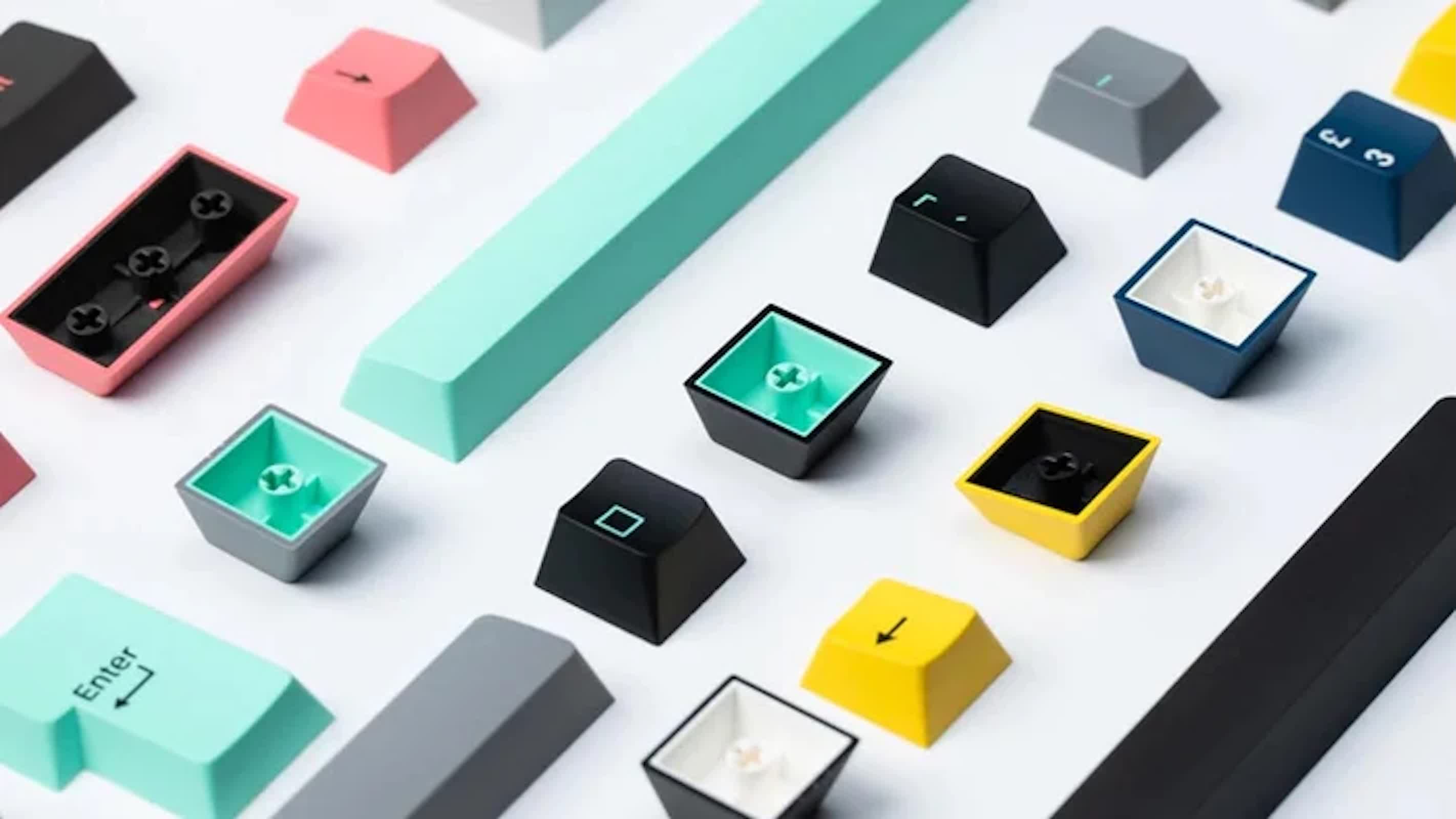
While the release includes comprehensive guides and documentation, it notably excludes printed circuit board designs. Those who want to build a fully functional custom keyboard from scratch will still need to adapt an existing Keychron PCB, design a new one, or integrate third-party electronics. Even so, the mechanical and structural resources now available go well beyond what is typically offered by a commercial peripheral manufacturer.
On GitHub, the company also provides detailed instructions for contributing to the repository, participating in discussions, and engaging with the community through its Discord channel. The result is a hybrid ecosystem – one that is not fully open source, but open enough to foster collaboration among hobbyists, engineers, and product designers.
Keychron shares 3D keyboard blueprints on GitHub, opening hardware to modders


