First look: Nvidia's RTX 3000 graphics cards debuted way back in 2020, but they still offer decent performance in many newer games. With Team Green recently relaunching the RTX 3060 12GB, a DIY enthusiast has reportedly paired an RTX 3090 and an RTX 3050 using Steam's Lossless Scaling tool to boost their combined performance.
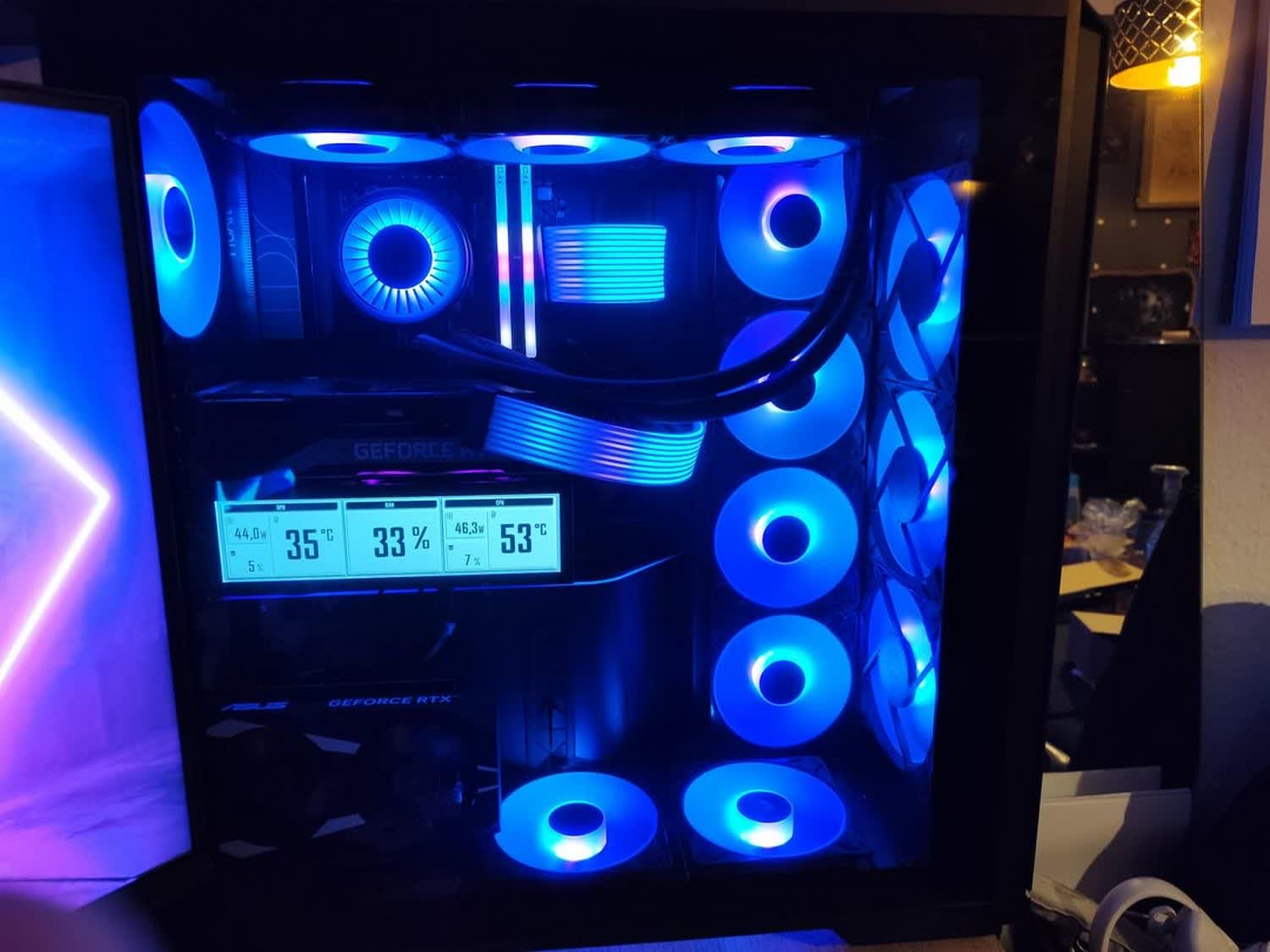
Redditor quiziwuzzi claims to have built a gaming PC with an unusual dual-GPU setup, pairing a Gainward RTX 3090 Phoenix with an Asus Dual RTX 3050 6GB OC Edition through Lossless Scaling - the $6.99 Steam app that delivers vendor-neutral frame generation and AI upscaling in a wide range of games, regardless of whether they officially support Nvidia DLSS, AMD FSR, or Intel XeSS.
According to quiziwuzzi's post, the RTX 3090 rendered the actual frames, while the RTX 3050 generated the intermediate frames and sent them to the display. The dual-GPU configuration reportedly delivered a 4K HDR output at 144 FPS, up from just 71 FPS rendered by the RTX 3090 at the same resolution.
The Redditor added that Lossless Scaling was applied in 2x, 3x, or adaptive scaling mode during gameplay. The tool supports up to a 4x frame generation multiplier, even with integrated graphics processors. However, high-end discrete cards, like the RTX 3090, offer the best results.
The poster did not mention which game was used for the test, but noted that the dual-GPU combination was able to max out the 144 Hz maximum native refresh rate of their 42-inch LG C4 OLED TV, which was used as the display. The TV features automatic upscaling with support for Nvidia G-Sync and AMD FreeSync Premium.
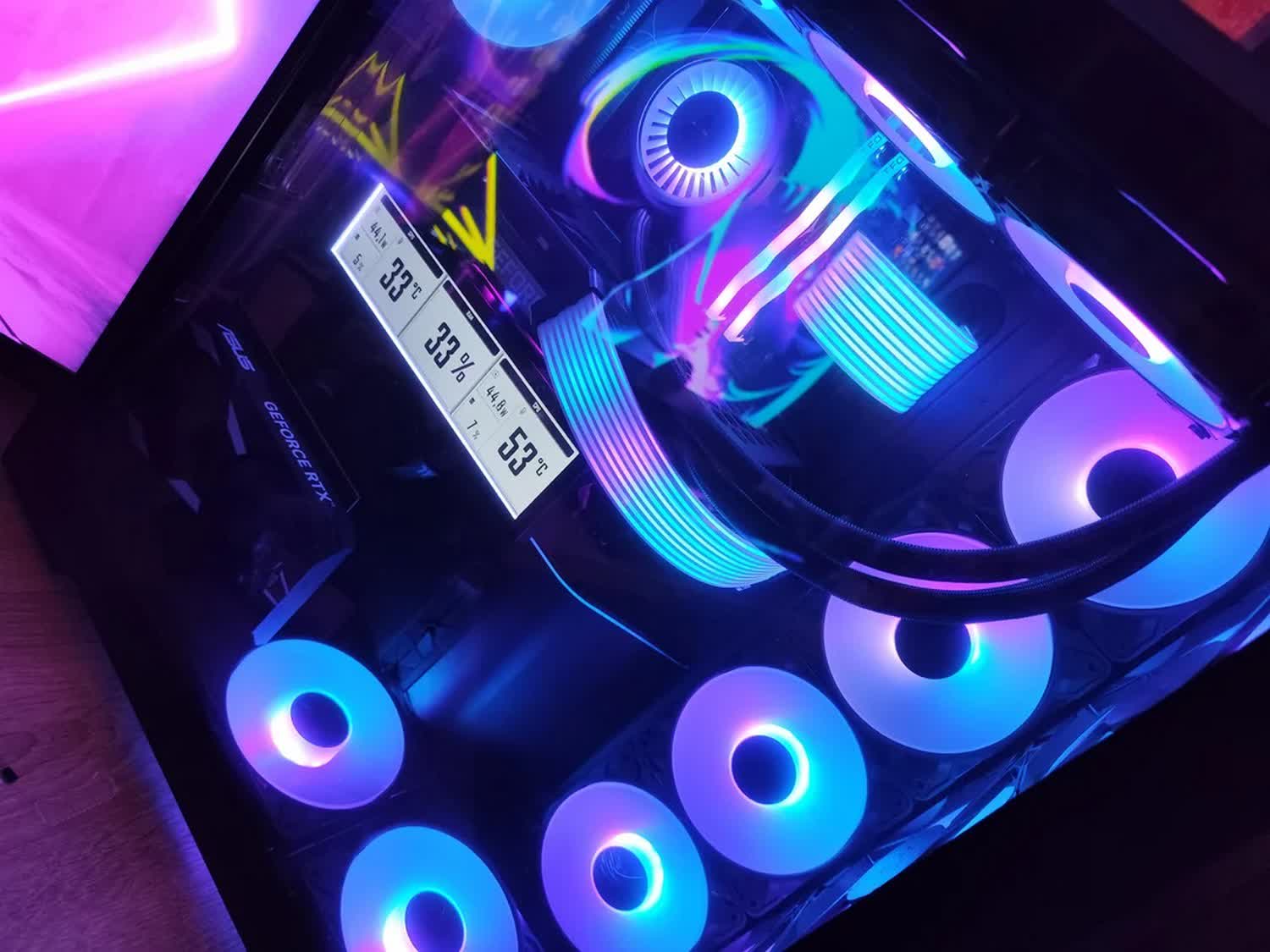
The testbed was powered by the AMD 9800X3D CPU, paired with 32GB of DDR5-6000 Teamgroup Delta CL30 memory. The system used an Asus ProArt X870E-Creator WiFi motherboard and drew power from a Thermaltake Toughpower GT 850W PSU. Both graphics cards were connected via PCIe 4.0 x8, offering the highest possible bandwidth for a dual-GPU setup.
Dual-GPU gaming rigs were once all the rage, with Nvidia's SLI and ATI/AMD's CrossFire technologies allowing gamers and DIY enthusiasts to dramatically improve frame rates in games by simply adding a second graphics card without making more substantial changes to the setup.
However, with modern games no longer scaling well with SLI or CrossFire, neither company now supports multi-GPU setups for gaming. Nonetheless, this experiment shows that resourceful modders can still squeeze additional frames out of most games, even if the extra frames are technically AI-generated and not actually rendered by the GPU.
Lossless Scaling lets a second GPU handle frame generation, reviving dual-GPU gaming without SLI


