What just happened? Microsoft's integration of GitHub into its CoreAI division signals a bold AI-driven shift in software development. While GitHub Copilot's growth highlights this potential, some in the developer community fear tighter Microsoft control could threaten the platform's independence and open collaboration culture.
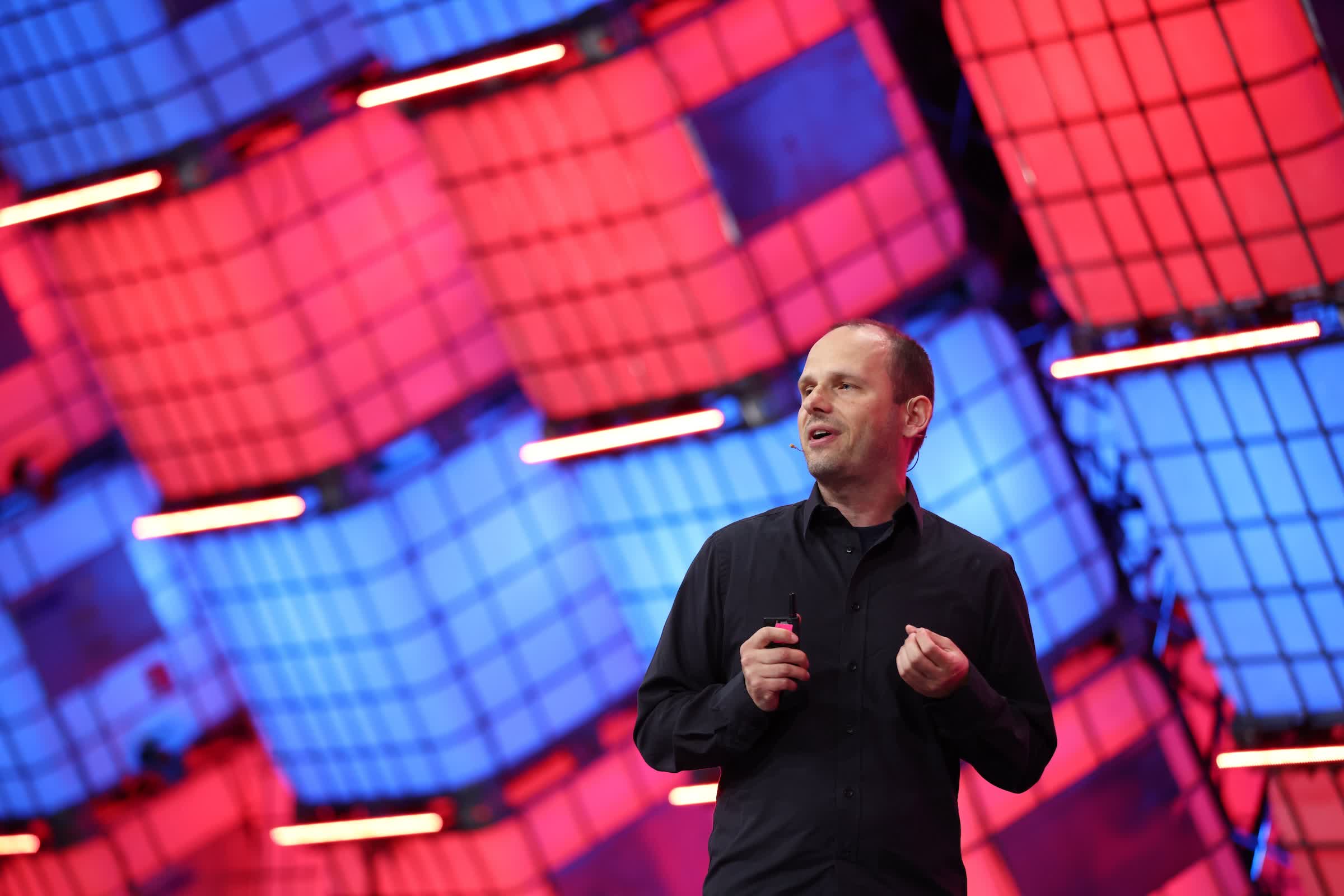
Microsoft is poised to fundamentally reshape GitHub – the world's largest code hosting and collaboration platform – following CEO Thomas Dohmke's resignation. This transition ends GitHub's semi-independent status and integrates the platform into Microsoft's newly formed CoreAI division, focused on artificial intelligence development.
Dohmke joined Microsoft after its $7.5 billion acquisition of GitHub in 2018 and became CEO in 2021. During his tenure, he grew the platform's user base to 150 million and led the launch of flagship AI products like GitHub Copilot and Copilot Workspace.
Desiring to return to his entrepreneurial roots, Dohmke told employees that he will stay at GitHub until the end of 2025 before leaving to start a new venture. No successor will replace him as CEO; instead, GitHub's leadership team will report directly to Microsoft's CoreAI division.

Microsoft's CoreAI division launched in early 2025 under Jay Parikh, a former Meta and Lacework executive known for scaling large technology infrastructures. CoreAI brings together Microsoft's platform, developer tools, and infrastructure teams to focus on building AI platforms and tools for both internal use and external customers. This move integrates GitHub's operations into Microsoft's broader AI strategy.
GitHub's Copilot, powered by large language models, has become an essential tool for developers seeking AI-assisted coding. CoreAI's ongoing efforts focus on advancing these AI capabilities, aiming to build new AI agent factories – systems that enable organizations to design and deploy custom AI assistants for code generation, workflow automation, and beyond.
However, this structural merger raises uncertainties. Some developers worry that tighter integration with Microsoft could undermine the independence that helped GitHub thrive. Critics point to Microsoft's history of acquiring companies, then scaling back or shutting down their operations. Still, given GitHub's central role in global coding, few expect immediate disruptions to its operations or the openness of its platform.
Microsoft absorbs GitHub into CoreAI division as CEO plans exit


