Bottom line: Artificial intelligence has quickly evolved from an experimental tool to a core component of video game production, according to a new report from Google Cloud and The Harris Poll. The study reveals that 87 percent of developers now use AI agents to handle tasks that once consumed significant portions of development cycles. This shift comes as game studios grapple with soaring production costs and tighter budgets in the wake of mass layoffs that cut more than 10,000 industry jobs last year.

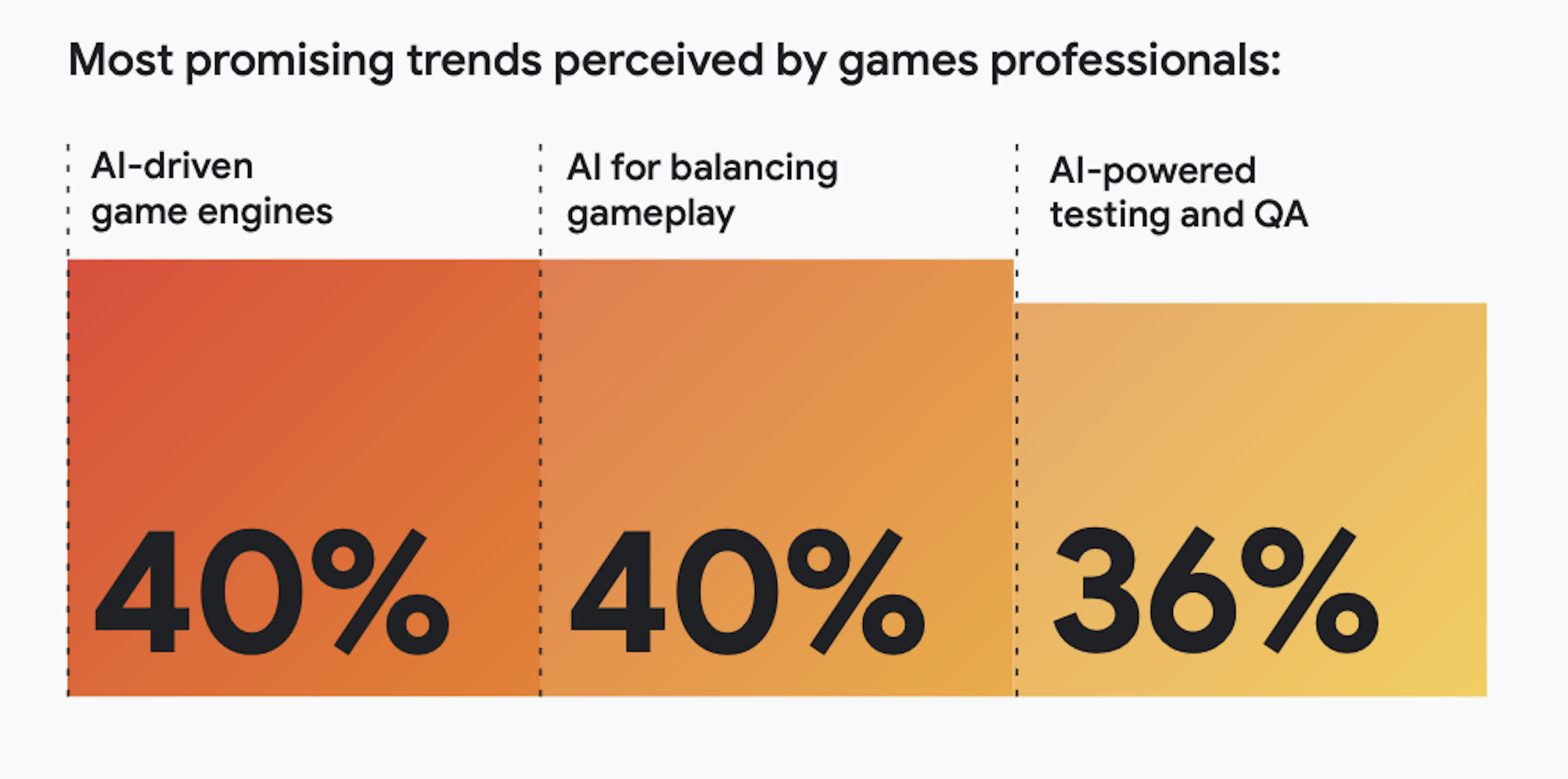
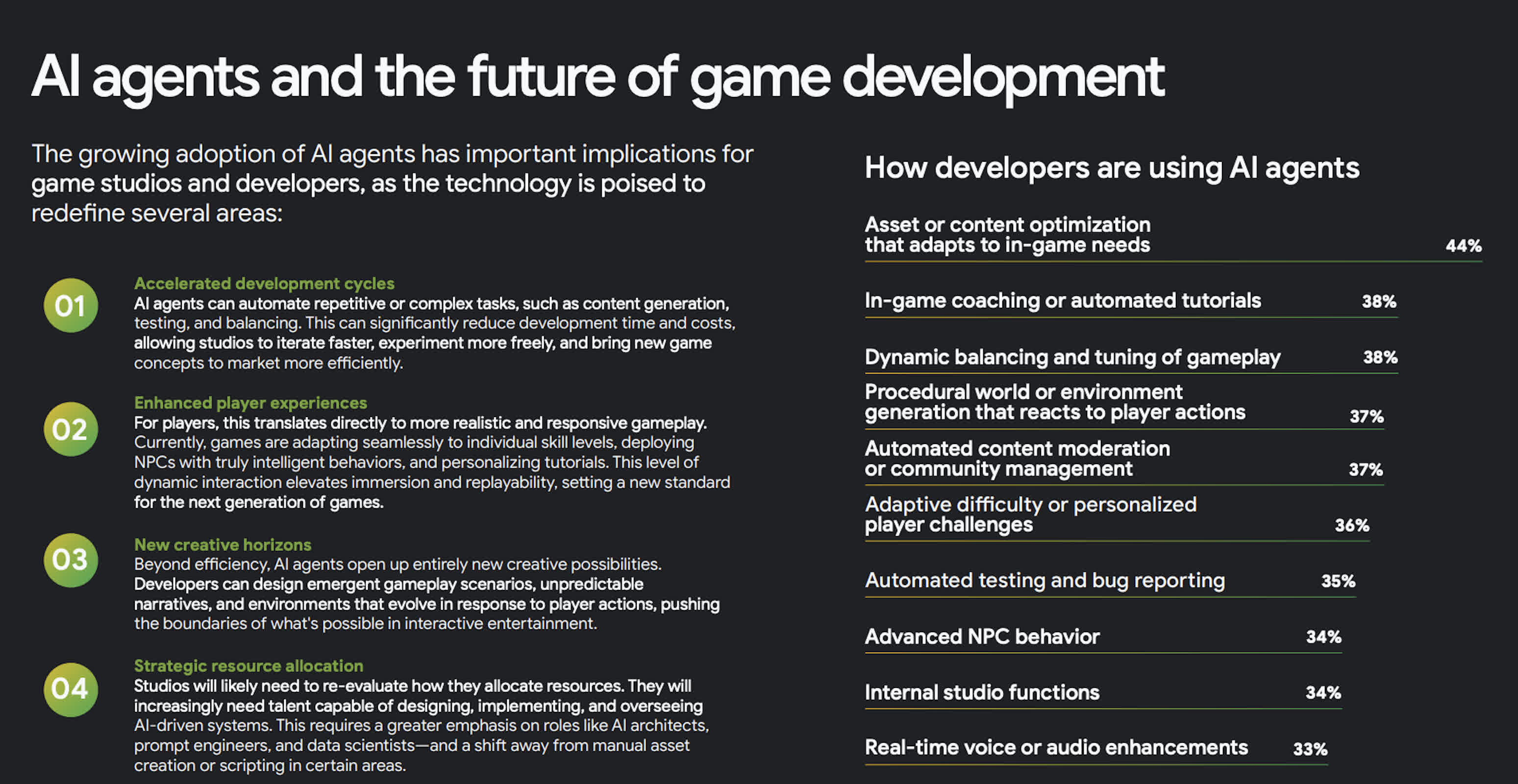
The survey, conducted in late June and early July across the United States, South Korea, Norway, Finland, and Sweden, gathered responses from 615 developers. It revealed that AI tools are now being used for a wide range of tasks, including content optimization and large-scale processing of text, code, audio, and video.
Nearly 44 percent of respondents reported using the tools to process information quickly and autonomously, enabling faster decision-making within production pipelines.
The technology is being positioned as a solution to one of the industry's most persistent challenges: development timelines that continue to expand as games grow more complex and players demand greater sophistication. By automating repetitive tasks, AI allows developers to focus on higher-level priorities such as design and creative direction.
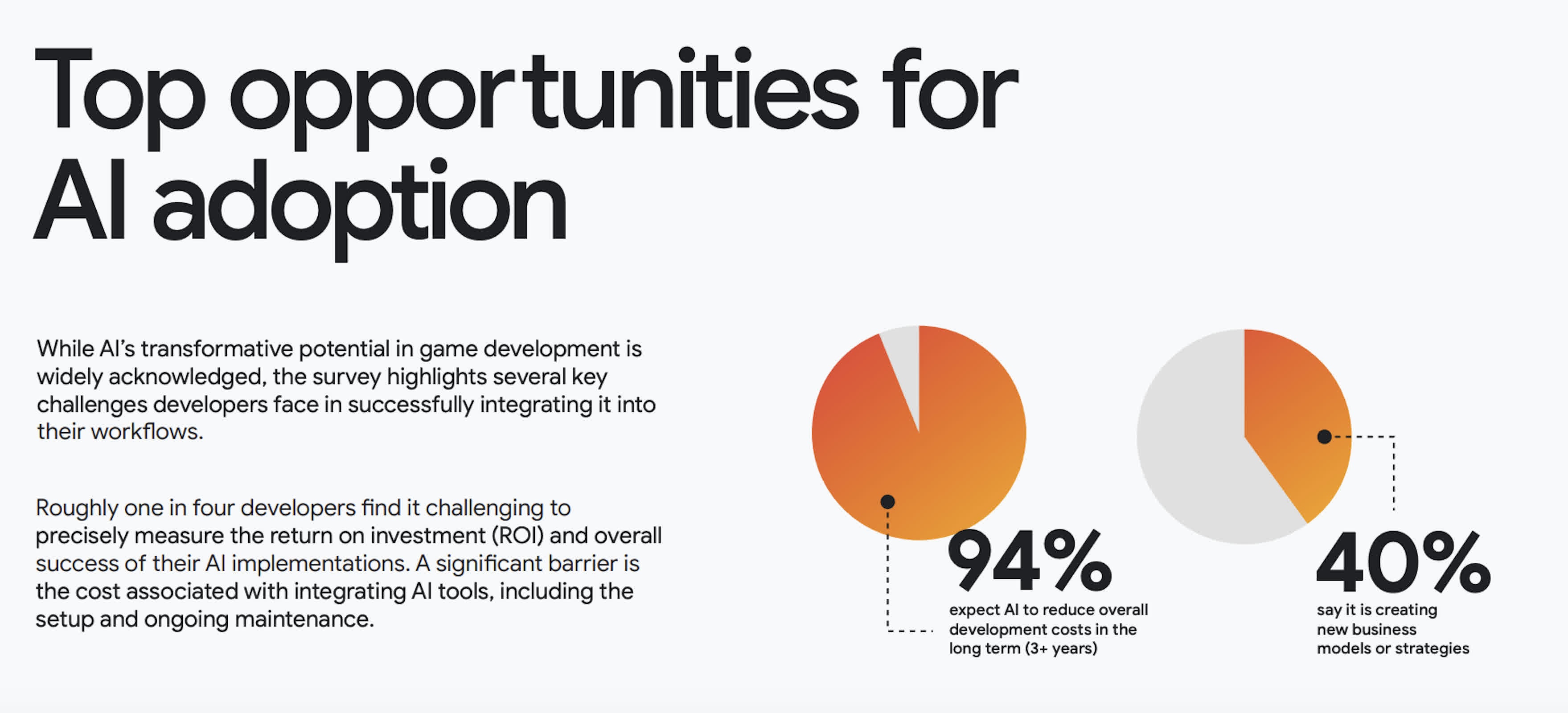
An overwhelming majority of respondents – 94 percent – believe that AI will ultimately help reduce development costs. Studios hope this will offset the rising expenses associated with producing big-budget titles and maintaining live-service games.
However, the survey also revealed that one in four developers struggle to measure the return on investment from their AI initiatives, citing high integration costs and challenges in assessing productivity gains.
While studios embrace automation, concerns over its implications remain significant. About 63 percent of surveyed developers expressed worries about data ownership and intellectual property, as questions persist over who holds the rights to AI-generated material.
These concerns echo broader debates across media industries. Last year, video game performers in Hollywood staged a strike over AI usage and pay disputes, even as major publishers shuttered studios and executed mass layoffs.
Fears of job loss remain widespread, as developers worry that increased reliance on AI could displace human roles, drive down wages, or trigger legal battles over the use of training data and generated assets.
Despite these challenges, industry sentiment toward AI remains largely optimistic. Many developers view automation as crucial for sustaining innovation amid budget pressures.
Some predict that broader AI adoption could accelerate prototyping cycles, open new opportunities for smaller studios, and foster more collaborative development across disciplines.
Most game developers are now relying on AI to cut costs and speed up production


