Looking ahead: The signal between Earth and the Moon travels at the speed of light, but that doesn't make communication instantaneous – or necessarily efficient. Even radio transmissions across the roughly 239,000 miles separating the two bodies experience noticeable delays, and bandwidth limitations mean that high-quality video or large data sets transmit slowly. NASA's upcoming Artemis II mission aims to address this with its Orion Artemis II Optical Communication System (O2O), a laser-based network designed to transfer information far faster than conventional radio waves.
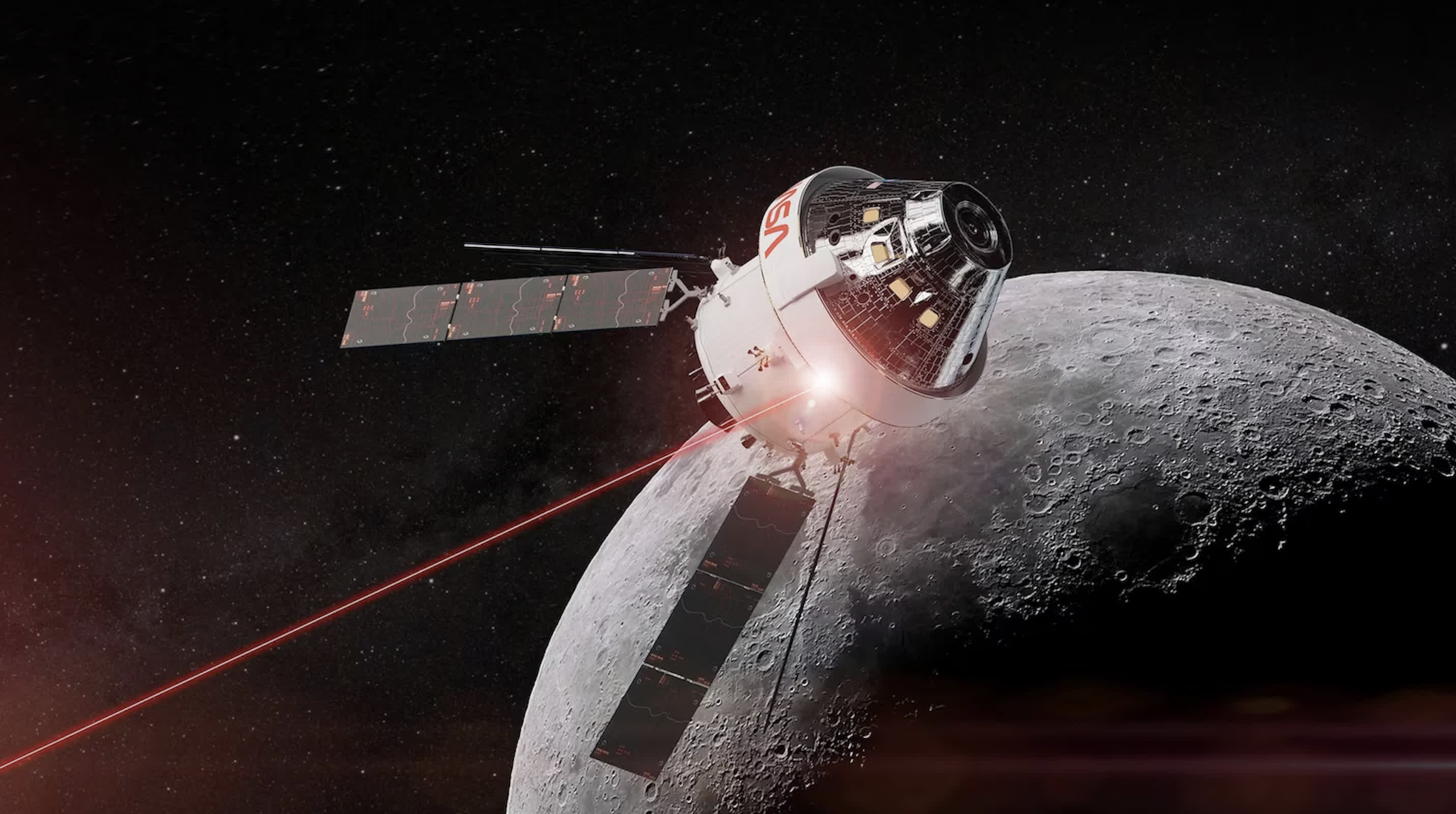
The mission will mark NASA's first crewed test of laser communications in lunar orbit. O2O will use infrared light instead of radio frequencies to transmit voice, mission data, and high-resolution video back to Earth. While the technology has been tested on seven prior uncrewed missions, Artemis II is the first to integrate it into a human flight system.
NASA engineers say the goal is both practical and experimental: to increase data throughput while demonstrating the system's reliability over deep-space distances.
According to NASA, the O2O link can send and receive data at rates more than 100 times faster than traditional radio networks. A similar experiment – the Deep Space Optical Communications payload – recently showed that such laser transmissions remain stable even millions of miles from Earth.
By converting radio-frequency systems into optical ones, engineers trade the broad, low-capacity bands of radio for narrow beams of light capable of carrying enormous amounts of information.
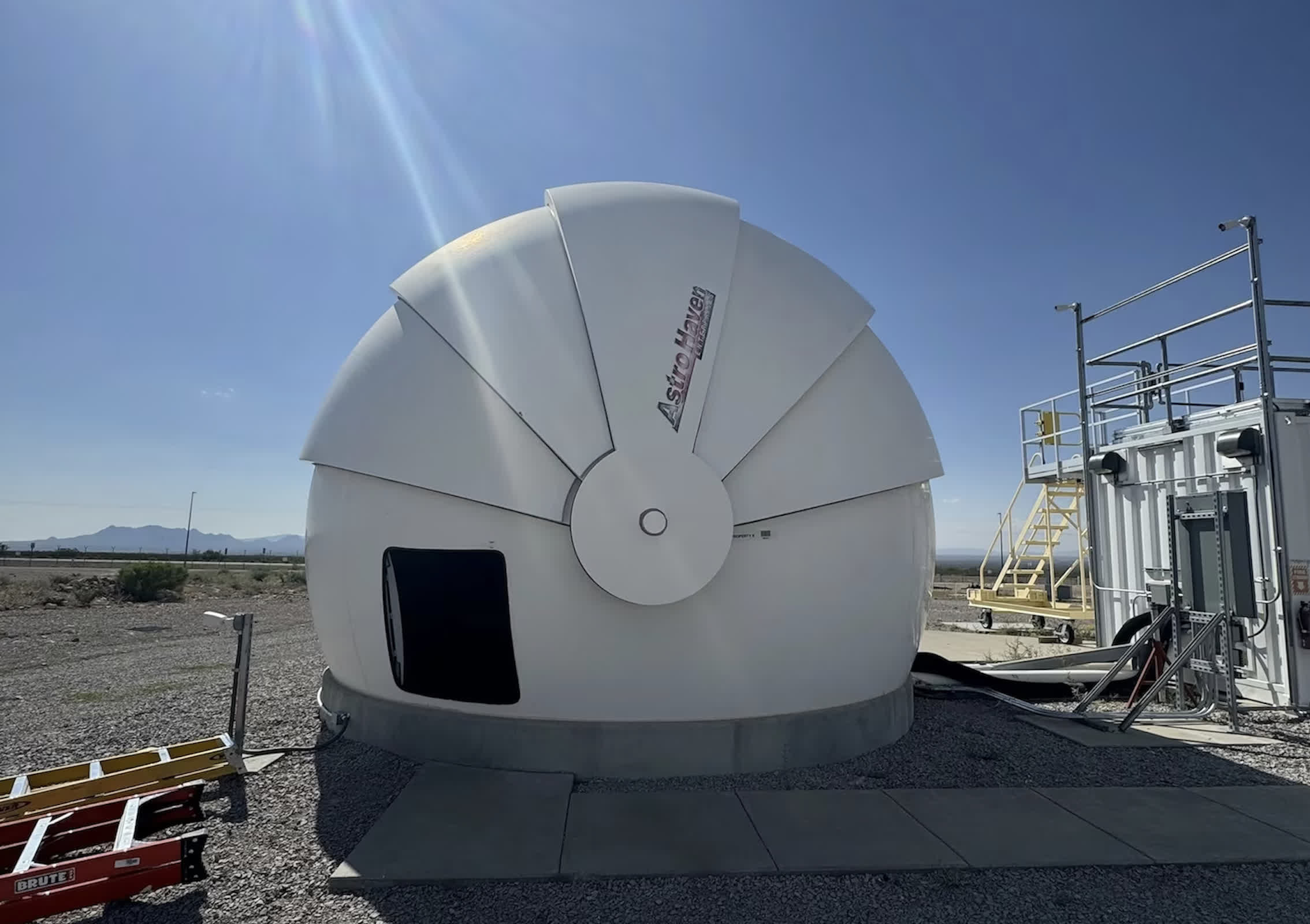
The O2O ground terminal at NASA's White Sands Complex in Las Cruces, New Mexico.
The Artemis II spacecraft will operate on both systems throughout its 10-day mission. Communications will switch between NASA's Near Space Network and Deep Space Network, which rely on large antenna complexes in California, Spain, and Australia to maintain near-continuous contact. These ground stations will alternate between handling standard radio transmissions and locking onto the optical beam when the laser system is active.
Alan Willner, a professor of electrical and computer engineering at the University of Southern California, says the technology addresses a longstanding gap in modern spaceflight.
"Artemis II is taking a huge step forward in making that third leg, the ability to actually communicate that information at a much higher speed, to keep up with the advances of the needs of the information," Willner told ABC News. He added that the success of O2O could pave the way for optical systems to become standard equipment in future deep-space missions.
Markus Allgaier, an associate professor of physics and astrophysics at the University of North Dakota, notes that while laser communication has been under development for more than a decade, a crewed demonstration makes it uniquely significant.
"It is a big deal, but also this has been in the making for over 10 years now," Allgaier said. "But you never know which technology demos and equipment actually makes it onto a mission and makes it to flight. So that it's actually happening and that we have a timeline for this that's very exciting."

If O2O performs as expected, it will allow Earth to effectively "see" the Moon in real time, with live, high-quality footage streamed directly from the spacecraft. NASA says the system could transmit images and video from hundreds of thousands of miles away with unprecedented clarity.
Even with this upgrade, however, mission controllers expect a 41-minute blackout when the spacecraft passes behind the Moon – a period during which no Earth-bound signal, laser or radio, can reach it. Future missions may employ orbiting relay satellites to maintain continuous communication and eliminate such gaps in contact.
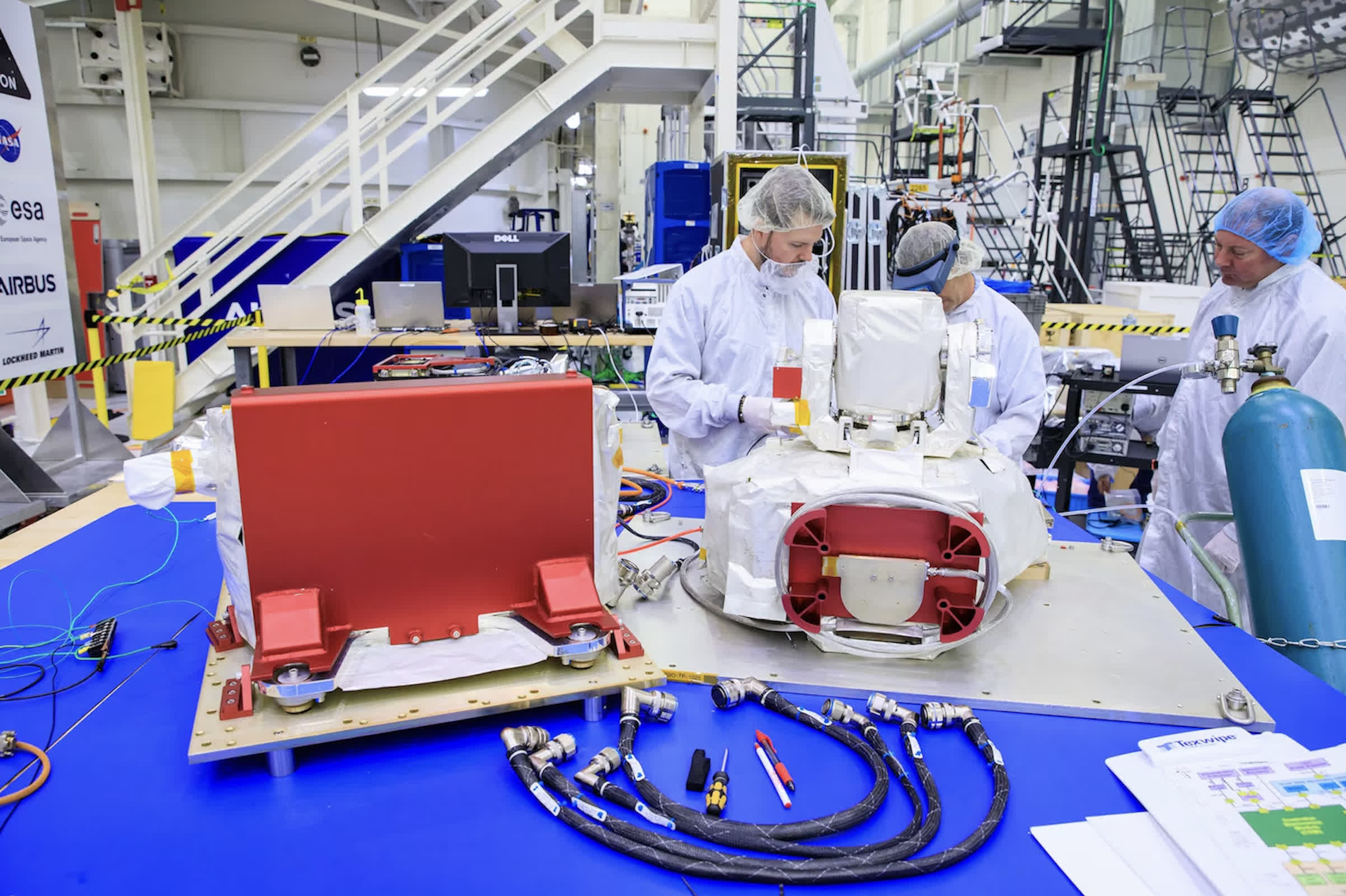
While the O2O system won't fly again on Artemis III, NASA views the project as a template for the next generation of interplanetary communication systems, including future Mars missions.
Allgaier, whose research group develops free-space optical ground stations, argues that the shift toward lasers could transform both crew support and public engagement. High-speed optical downlinks would not only deliver more science data but also make live human exploration visually accessible in ways radio signals never have.
Willner believes the benefits won't stop at the edge of space. Once optical communication is deployed on Earth-orbiting satellites, he said, similar leaps in data rates could enhance meteorology and consumer communications. Weather satellites, remote sensing networks, and even everyday devices could one day exchange information through laser links refined in lunar orbit.
NASA's Artemis II will test laser communications system in lunar orbit
 Artemis II O2O Bandwidth — NASA Technical Paper Values
 Downlink (Moon → Earth)
 Uplink (Earth → Moon)


