Forward-looking: A new generation of space habitat designs is catering to both physical safety and psychological needs. As commercial firms and space agencies pursue new horizons, the next wave of orbital and planetary dwellings promises more than mere survival – they aim to provide comfort and inspiration, even in the farthest reaches of space.
The design and construction of living quarters in outer space are undergoing a transformation, with architects and engineers turning their attention from purely utilitarian modules to more comfortable, visually engaging, and radiation-safe environments.
As experts look beyond the International Space Station's era, they aim to provide astronauts, researchers, and even future commercial visitors with habitats that transcend claustrophobic capsules.
Next-generation space habitats feature larger windows, improved lighting, lighter yet stronger materials, and soundproofed private spaces, all while maintaining robust shielding against cosmic radiation and colliding debris. These innovations arrive as the ISS, assembled over decades at a cost of $100 billion, approaches its planned retirement in 2030.
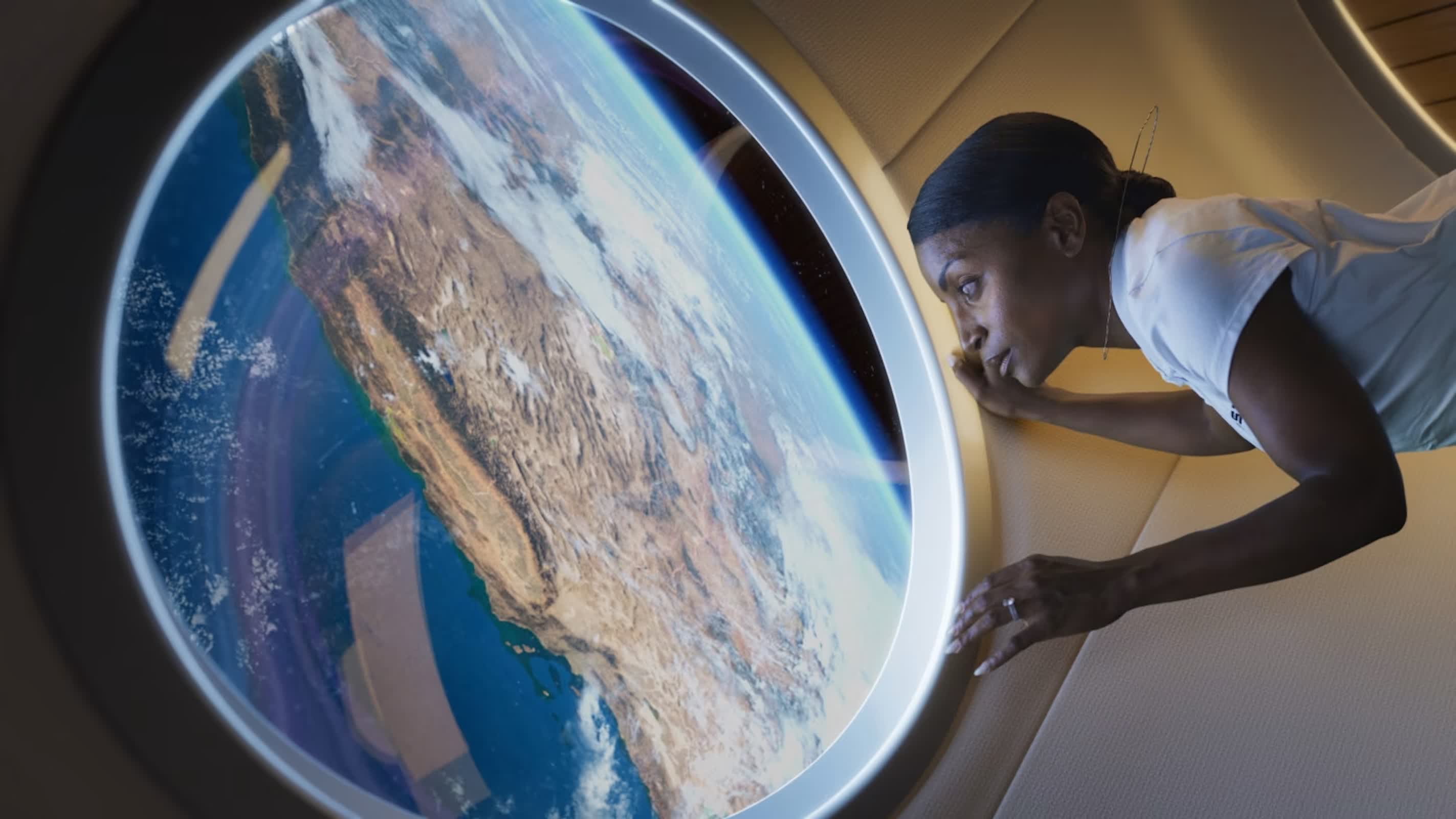
Vast's planned Haven 1 space station.
Sebastian Aristotelis, co-founder of SAGA Space Architects, emphasized the importance of improving space living standards for well-being. "Space will never be comparable to a five-star resort, but when you go, there needs to be a level of comfort, a level of safety and a level of stimulation," Aristotelis told The Wall Street Journal.
A focus among innovators is minimizing launch mass and maximizing the habitable volume, making space architecture more akin to rapidly assembled mobile homes than metal cans.
The latest concepts favor habitats that are radically lighter and modular. For example, Max Space, a company operating out of the Kennedy Space Center, uses composite synthetic fabrics to construct inflatable habitats with superior strength-to-weight ratios compared to traditional aluminum and steel. CEO Saleem Miyan explained that this technology allows astronauts to enjoy larger living areas with features like multiple floors, helping to mitigate the psychological challenges of long-duration missions.
When stowed for launch, the Max Space "Alpha" module takes up the space of two medium suitcases. Once deployed, it expands to house up to three people within 20 cubic meters – suitable for use as a laboratory or orbital warehouse. This model has already passed NASA's flight tests, and the company plans to send its first unit aboard a SpaceX mission in October 2026.
Max Space also envisions larger, 100-cubic-meter inflatable habitats accommodating up to ten people, targeting both research institutions and private clients interested in life in orbit or conducting microgravity experiments.

A rendering of Aurelia Institute's Tesserae modular space station in orbit.
The Aurelia Institute, a nonprofit based in Cambridge, Massachusetts, is developing a modular habitat made from self-assembling hexagonal tiles that form a geodesic dome. In collaboration with Axiom Space and supported by NASA grants, Aurelia plans a pioneering experiment: launching a microwave-sized version to the ISS in 2026 to test autonomous assembly in zero gravity. If successful, the next step will be a larger variant capable of housing a crew of four.
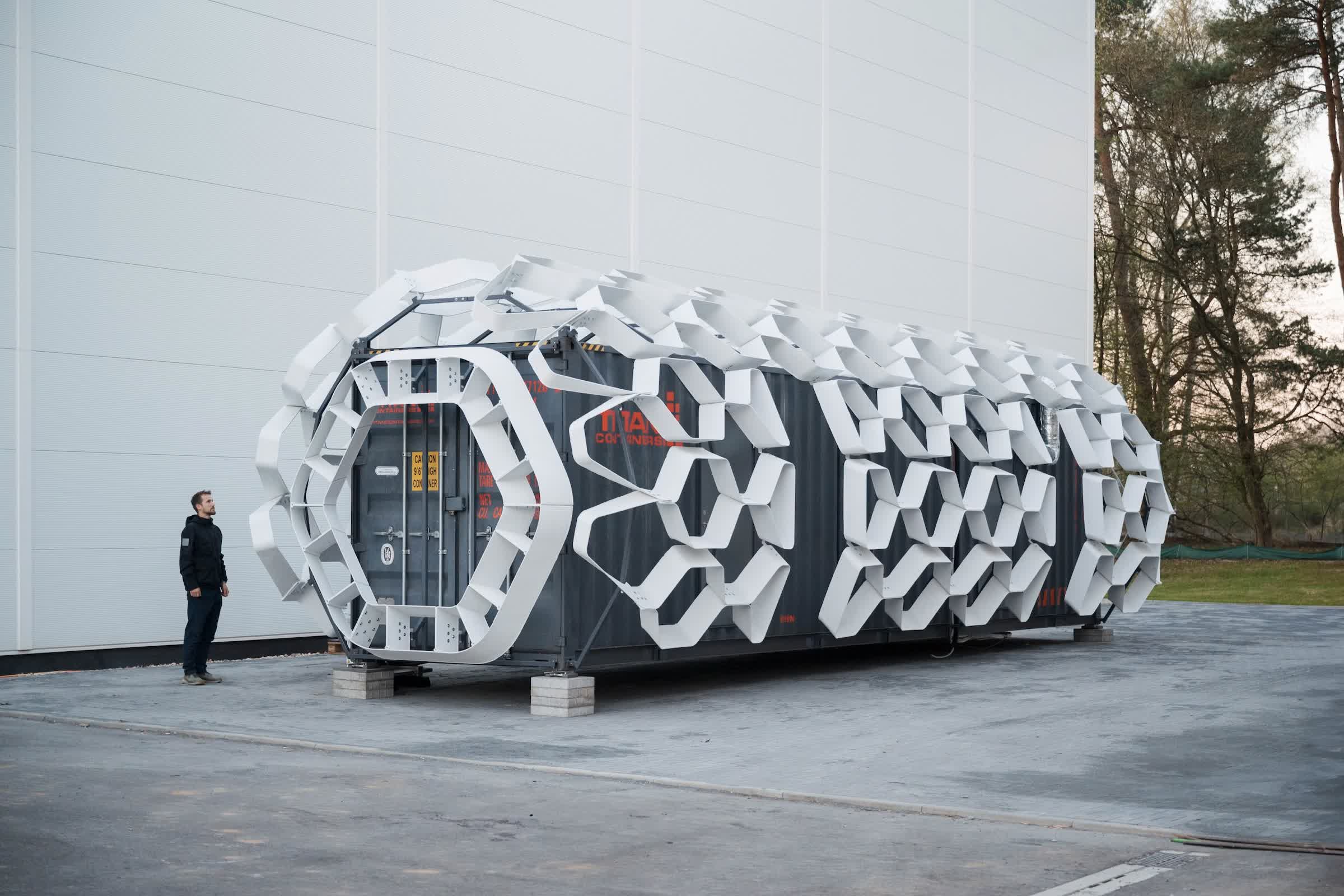
On the lunar frontier, engineers at the European Space Agency are prototyping the Future Lunar Exploration Habitat (FlexHAB), designed for deployment on the Moon or Mars. Roughly the size of a shipping container, the habitat is undergoing operational tests near Cologne, Germany.
Its design incorporates recycled wastewood for 3D-printed interior surfaces, cork-lined handholds for insulation and fire resistance, and independent soundproof sleeping pods equipped with personal air filtration systems.
Designers of modern space habitats are also prioritizing visual appeal. Large windows, once considered luxuries, are now viewed as essential psychological lifelines. Aurelia's planned habitat dome, for example, features an algae-tinted porthole designed to evoke stained-glass artistry while potentially producing oxygen for the crew.
Vast, a California company aiming to launch a new commercial station next year, has designed a habitat with a 3.5-foot domed observation window.
These features are important for morale, says Garrett Reisman, a consultant for Vast and a former NASA astronaut. "You'd see greens and blues and whites from the ocean and the clouds. It would almost be like a projector you put in your kids' room to make pretty shapes on the ceiling. It was really a cool effect."


