In brief: Apple's production plans for the new iPhone Air appear to be unchanged, contradicting earlier reports that suggested weaker demand for the slimline device might prompt a reduction in manufacturing. A new research note from TD Cowen indicates that the company has not revised its output projections for the iPhone Air or for the broader iPhone 17 lineup.
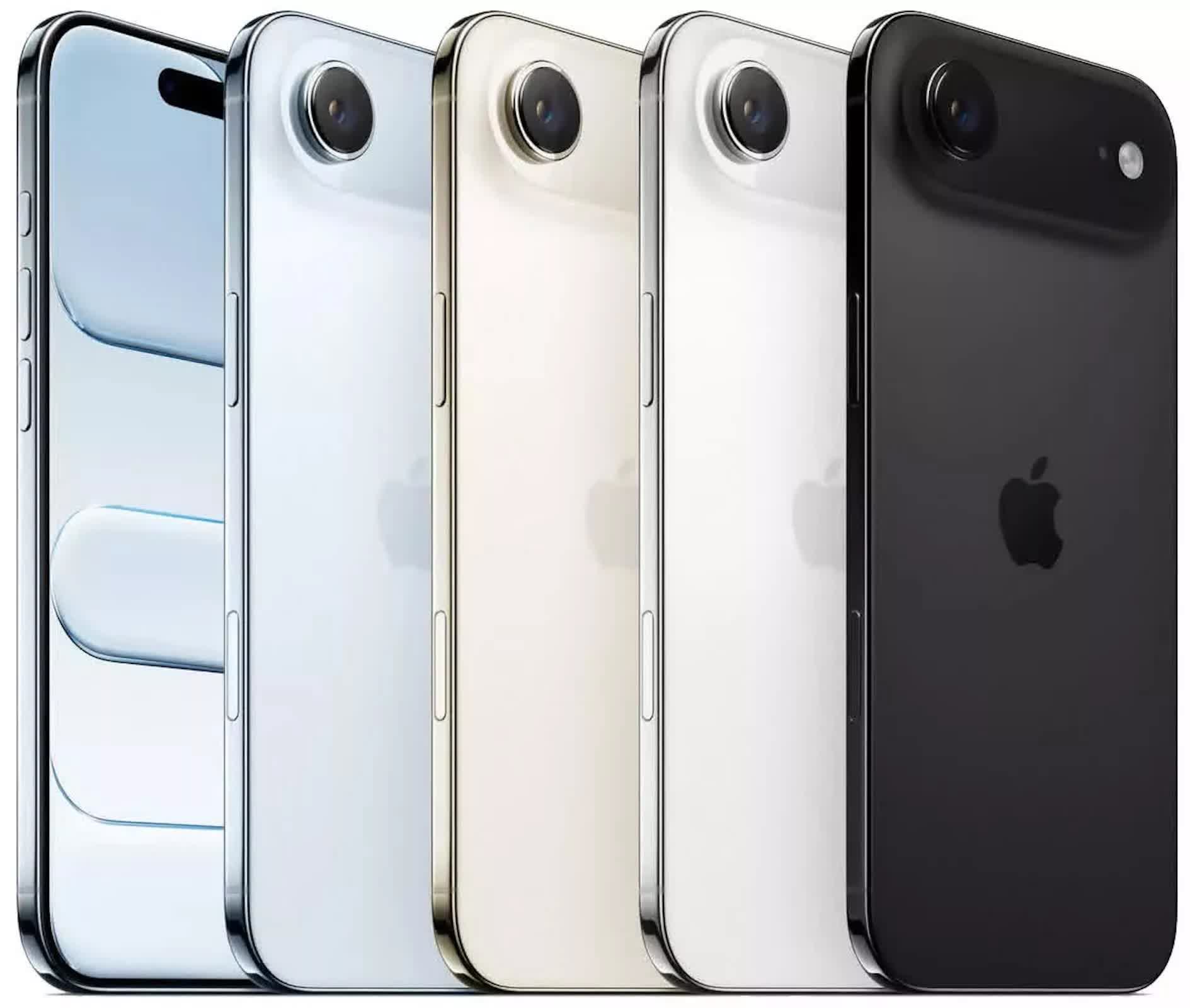
The investor note, circulated on October 26, states that Apple's supply chain activity for the month showed no changes in iPhone Air production. TD Cowen's analysis – based on what the firm described as "field work" within Apple's Asia-based production network – found that assembly targets remained consistent with prior forecasts. The firm continues to expect three million units in the third calendar quarter of 2025 and seven million units in the fourth quarter.
When aggregating all models in the iPhone 17 generation, analysts reported 54 million units built during the September quarter and maintained their projection of 79 million units for the December quarter. TD Cowen's stance directly challenges recent speculation that Apple was cutting back production.
Those earlier reports began on October 17, when Japan's Mizuho Securities predicted that Apple would lower iPhone Air production by roughly a million units, reallocating about seven million units of manufacturing capacity to other models.
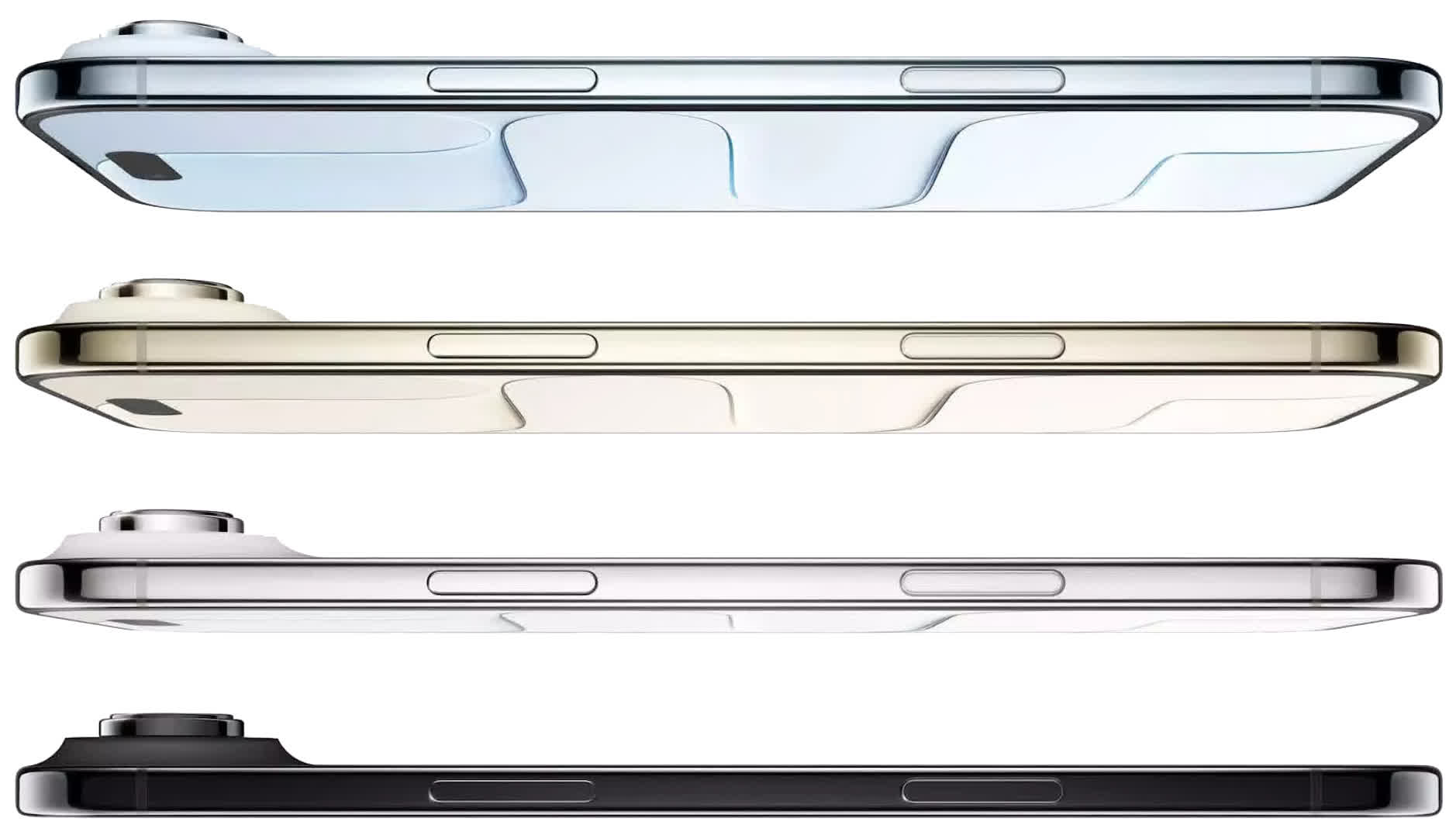
Just days later, analyst Ming-Chi Kuo stated that production capacity for the iPhone Air was being scaled back across the supply chain. Several Nikkei outlets reported on the same day that a supplier claimed the model was entering "end-of-production mode" due to limited demand. That report suggested that November's production volume could drop to approximately 10 percent of September's output, implying a near halt in assembly operations.
TD Cowen's report contradicts those claims, suggesting that Apple's supply chain throughput has remained steady through October and that no internal directives for production cutbacks have been issued. While analysts often rely on overlapping data from suppliers and component orders, this divergence highlights ongoing uncertainty regarding how Apple is managing the rollout of its new product tier.
The iPhone Air, introduced alongside the iPhone 17 family in September, is positioned as Apple's thinnest smartphone to date – a mid-range alternative between the standard and Pro models. Its unique placement in the lineup makes it harder to compare directly with established demand patterns. Historically, Apple's initial post-launch production surges focus on Pro variants, while standard editions see steady orders in the months following launch as pricing and availability stabilize.
Whether TD Cowen's steady forecast or the more pessimistic rival analyses prove correct will depend on fourth-quarter sales performance and how quickly the iPhone Air gains traction among buyers seeking a lighter, thinner device without Pro-level pricing. For now, Cowen's findings suggest business as usual for Apple's supply chain heading into the 2025 holiday quarter.
Not so fast: Latest analysis suggests iPhone Air production remains steady


