Nothing CEO warns memory costs now exceed 50% of smartphone's hardware bill

Alfonso Maruccia

Posts: 2,585   +972
Staff
Bubbling Costs: Carl Pei is adding his voice to a growing list of industry insiders pointing to the rapid changes driven by the AI investment boom. RAM is now more expensive than ever, and consumer devices will likely have to adapt to these higher component costs.
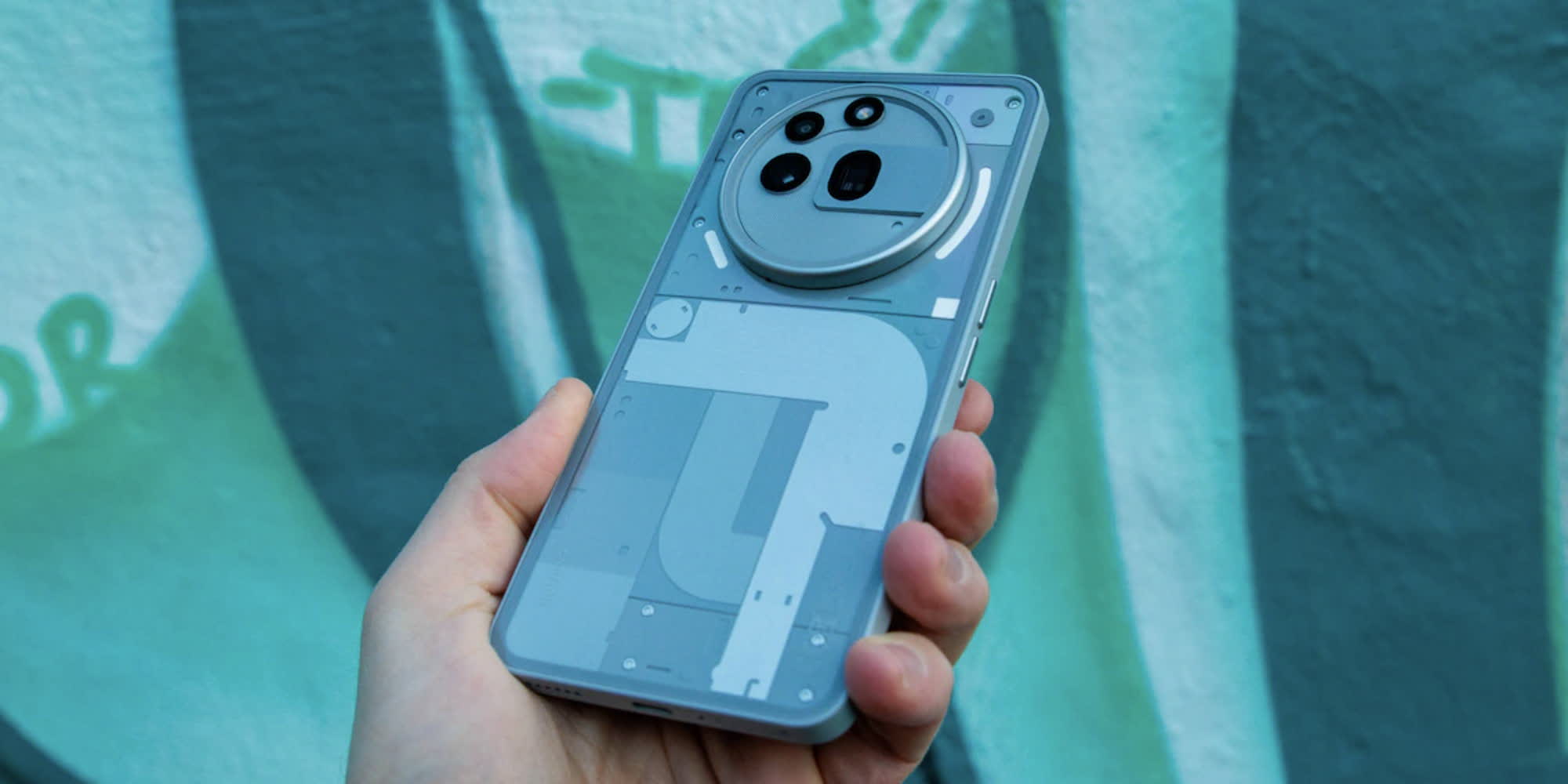
Nothing co-founder and CEO Carl Pei has said that AI is making components significantly more expensive, warning that a reckoning is coming for consumers buying new devices. In a recent post shared on his X account, Pei said memory chips now account for more than 50% of the total hardware bill of materials in a smartphone.

DRAM – and, likely, solid-state storage as well – has become the most expensive element in a phone's bill of materials. Pei illustrated how rising costs are affecting his company's business: for Nothing's Phone (4a), the cost of memory chips has more than doubled between the design phase and launch, and then doubled again.

Pei previously highlighted the impact of rising memory prices earlier this year, saying 2026 would be a "truly unprecedented" year for the consumer electronics industry. Smartphone makers have traditionally relied on a simple assumption: that hardware components would gradually get cheaper over time. Demand for chips from AI data center buildouts has disrupted that pattern, reshaping supply chains and driving memory prices sharply higher.

Pei said this shift is now fully underway and accelerating faster than expected. The result, he argued, is that smartphone prices are rising and are likely to continue doing so into next year. New phone models released since February 2026 have launched at prices about $100 higher than previous generations. In India, one of Nothing's key markets, phones previously priced above ₹30,000 now carry price tags roughly ₹7,000 higher.
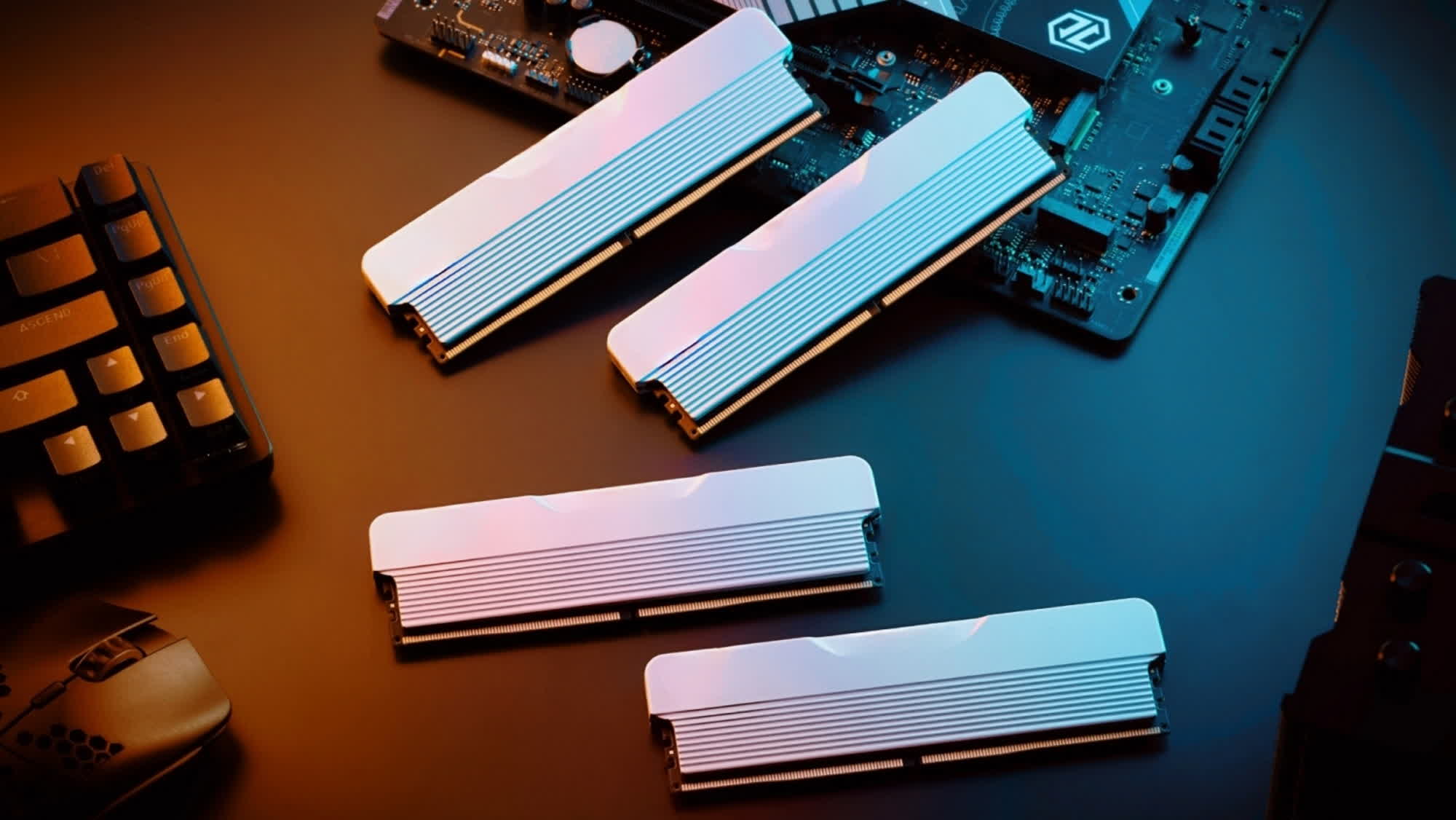
The idea that device makers can solve the issue simply by stocking up on chips ahead of the manufacturing phase no longer holds. Memory products are now allocated by chip manufacturers, leaving device companies such as Nothing to take what they are given – regardless of cost.

Pei offered a final piece of advice for users looking to buy a new smartphone or other consumer electronics device: "If you've been waiting to upgrade a device, the best time was yesterday. The next best time is now. This year's sales season won't have the discounts people are used to."

Rising memory prices and ongoing shortages are expected to ripple across the industry, with smartphones and PCs among the sectors most affected. Earlier this year, HP CFO Karen Parkhill said that memory's share of a PC's bill of materials has risen to more than 30%.

Permalink to story:

 
Curious ... wasn't mass production -- and now mass marketing -- supposed to make things cheaper?

Can't keep up with demand? Failed to forecast and plan for future needs? Or perhaps a designed "maintain prices at or above" strategy also failed to forecast for competing needs? Failed to factor in competitors and their effects? And profit margins are declining anyway?

No matter which, it seems apparent the C-level shareholders need to be replaced.
 
Curious ... wasn't mass production -- and now mass marketing -- supposed to make things cheaper?

Can't keep up with demand? Failed to forecast and plan for future needs? Or perhaps a designed "maintain prices at or above" strategy also failed to forecast for competing needs? Failed to factor in competitors and their effects? And profit margins are declining anyway?

No matter which, it seems apparent the C-level shareholders need to be replaced.
And they have. Go find the price per KB of RAM from the 80s or 90s and compare it to today.

You can't just spin up a new memory factory on a weekend bender. It takes years to build new fabs, requiring specialized equipment from a handful of manufacturers that are also ordered years in advanced.

Now, take a look back a few years, how was the memory industry? Well, between the big 3, well over $10 billion was lost. Would you be investing in massive production increases during this time?
 
Last edited:
Curious ... wasn't mass production -- and now mass marketing -- supposed to make things cheaper?
It does, and it has. Stop doom spiraling over a brief blip.

Can't keep up with demand? Failed to forecast and plan for future needs?
No one predicted the unprecedented demand explosion in RAM prices, nor do chipmakers like to squander tens of billions of dollars on idle fabs, on the off chance their forecasts were too low.

No matter which, it seems apparent the C-level shareholders need to be replaced.
Funny, the shareholders of these firms are insanely happy with the current margins those managers are raking in. But if you're unhappy yourself, you can always purchase a large stake in one of them, and vote out the entire C-suite.
 
The memory makers have had several years to expand manufacturing capacity, but chose not to with the reason of keeping margins artificially higher, now they're worth trillions.
There is no sympathy for what is essentially a cartel of 3 companies, only 2 of them with consumer facing brands. Also colluding together to keep prices high while they're continuing to raise contract periods for OEM's, while at the same time taking unrealistically large orders from AI companies that don't even have the capital to pay for RAM.
 
The memory makers have had several years to expand manufacturing capacity, but chose not to with the reason of keeping margins artificially higher
Why keep promoting these nonsensical fantasies? Until the second half of 2025, memory makers had plenty of spare capacity to handle not just current demand, but projected demand through 2026. And while you yourself spent all of of 2025 predicting the imminent collapse of the "AI bubble", they were planning for a moderate increase in RAM demand -- just not the insane 600% increase that actually happened.

Also colluding together to keep prices high
The law of supply and demand calls that a lie. Prices have escalated in order to equalize the two, not because a group of wizened balding gnomes in a corporate office somewhere have hatched an evil plot.
 
I suspect higher RAM/Storage pricing will accelerate the Phone As A Service model Google and others have pushed.

Its a perfect time to lock in additional cloud subscription revenue/ normalize more of the "own nothing, be happy" tech subscription model.
 
I suspect higher RAM/Storage pricing will accelerate the Phone As A Service model Google and others have pushed.

Its a perfect time to lock in additional cloud subscription revenue/ normalize more of the "own nothing, be happy" tech subscription model.
But....you still need the phone. The "as a service" model still needs a host device.

And what, honestly, do 99.9999% of people do that needs more then 8GB of RAM on a smartphone? Do you really need a terabyte of storage on a cell phone?
 
Last edited:
Maybe if MORE people would hang onto things like smartphones, instead of trading them every couple years, and phone producers start selling LESS and manufacturing LESS the price would come down.
It just cracks me up given most of the higher brands offer MULTI YEAR major/minor updates, unless you
damage your phone, you really don't need to replace it every couple years. Heck, it also adds to e-waste if not traded in/resold.
But we all know the manufacturers will probably send out an update that will slow it down anyway, to get you to upgrade (right Apple?)
 
Maybe if MORE people would hang onto things like smartphones, instead of trading them every couple years, and phone producers start selling LESS and manufacturing LESS the price would come down.
It just cracks me up given most of the higher brands offer MULTI YEAR major/minor updates, unless you
damage your phone, you really don't need to replace it every couple years. Heck, it also adds to e-waste if not traded in/resold.
But we all know the manufacturers will probably send out an update that will slow it down anyway, to get you to upgrade (right Apple?)
In what industry does manufacturing less and selling less of something lead to lower prices? That's some bizzaro world theory.
 
In what industry does manufacturing less and selling less of something lead to lower prices? That's some bizzaro world theory.
I guess the logic is if demand goes down, supply-constrained memory prices will go down which will actually make the phones BOM go down, leading to cheaper prices. That said, the supply/demand balance is so out of kilter at the moment that it likely would be a drop in the bucket.
 
Low-end phone market is done. Makes no sense to make cheap crappy phones with low or no margins. It is already reality, when current stock is sold out, you won't see low-end again for years.
 
Back