Sounding off: In what's turning out to be the most costly mistake ever, Nvidia and its CEO are now facing a class-action lawsuit from shareholders after Jensen Huang admitted he had an affair with a suspected Chinese spy. Huang has confirmed that he was romantically involved with the woman, an admission that has already wiped around $190 billion off Nvidia's market cap.
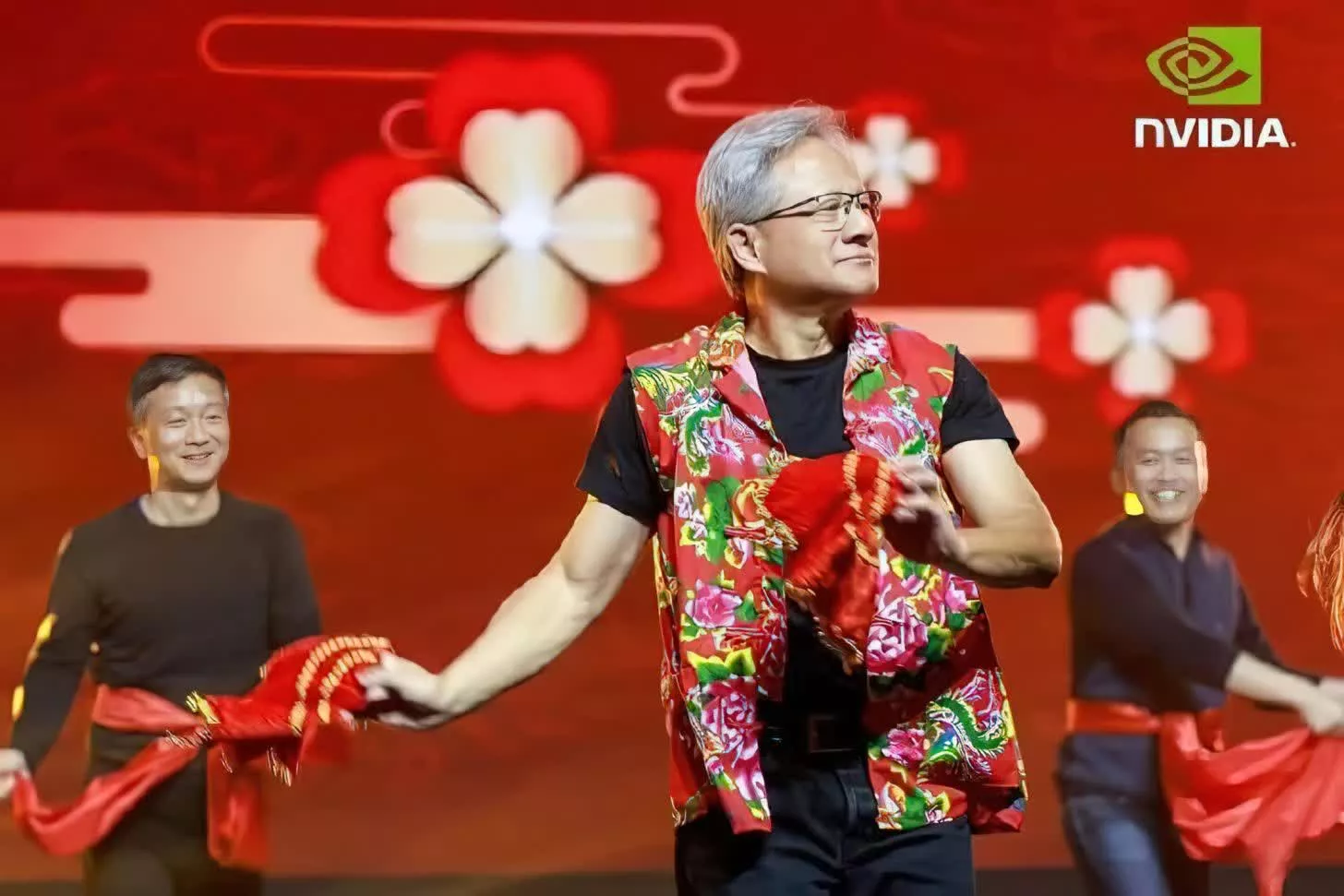
Huang admitted to the extramarital affair over the weekend following reports that he was targeted by a suspected Chinese intelligence operative, Alice Huang, who is not related to Jensen. US intelligence services claim she was acting as a honeypot, tasked with gathering information about American AI chips and influencing the Nvidia chief to push for China to get the company's most advanced processors.
In a letter to employees, Huang apologized to his wife, family, and colleagues, taking responsibility for his actions and promising to cooperate with an investigation.
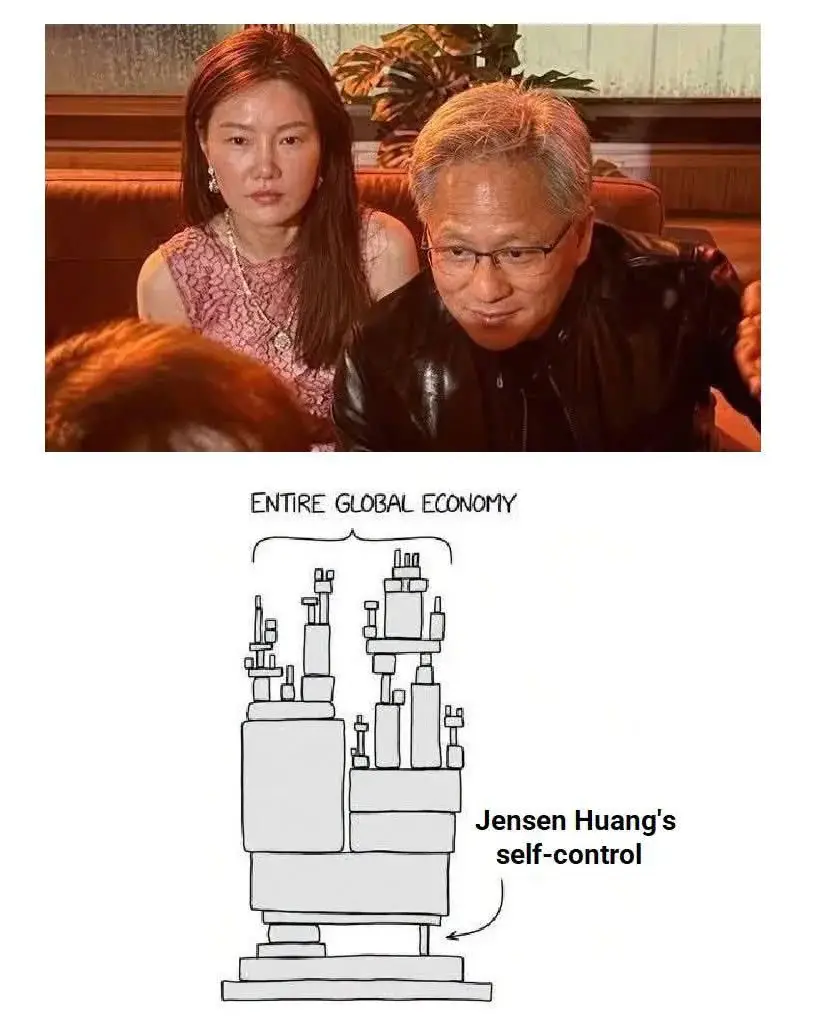
Rosen Law Firm has now filed a class-action complaint against Nvidia and its CEO in the US District Court for the Northern District of California. It's been brought by individual investor Mark Kistenmacher and "on behalf of all persons similarly situated," covering those who purchased Nvidia stock between October 9 of last year and November 8 of this year.
The suit alleges that Nvidia and Huang deceived investors by making false and misleading statements regarding the CEO's relationship with Alice Huang.
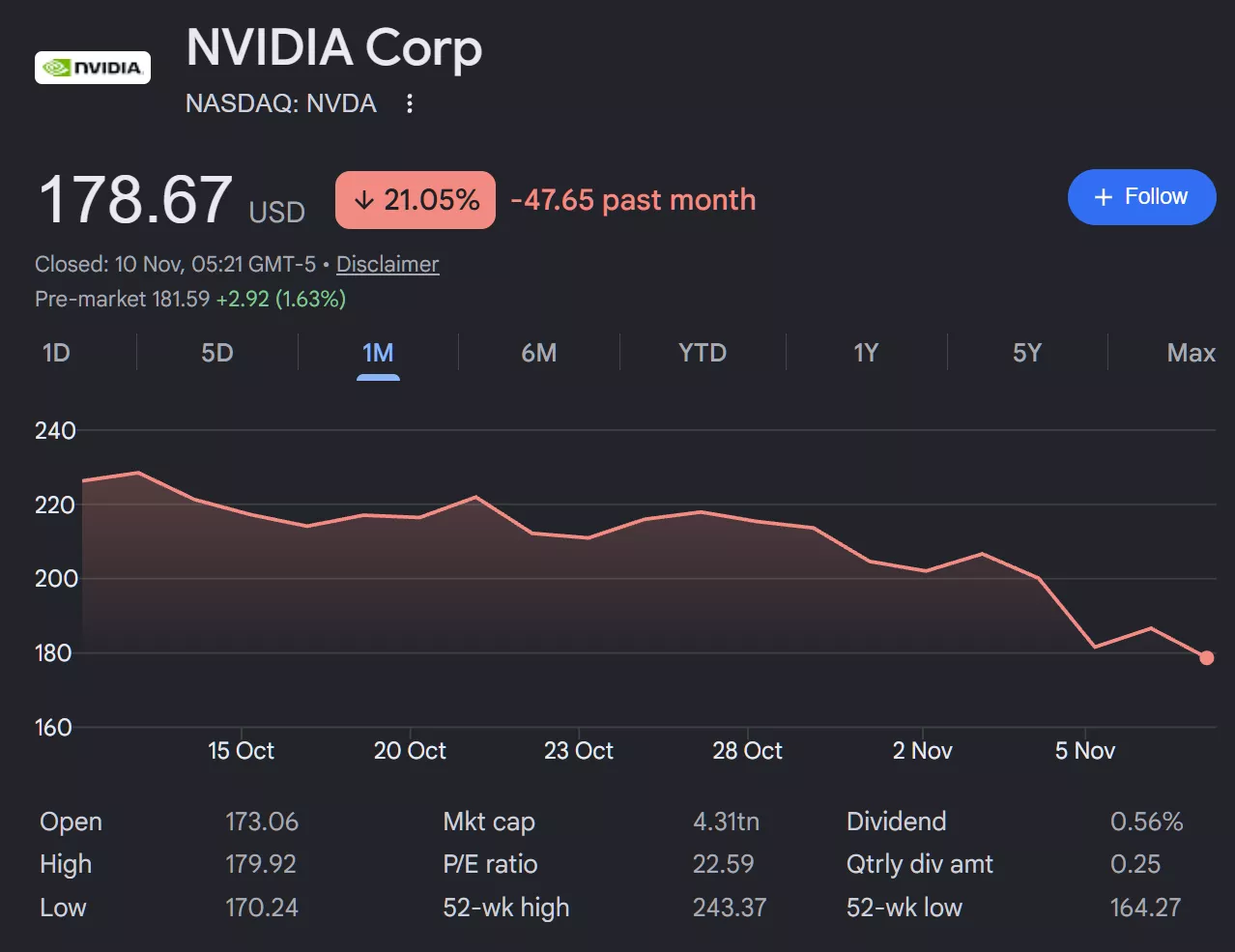
Nvidia share price over the last month
A former executive at Singapore-based data center company Megaspeed International, Alice Huang was reportedly monitored by US intelligence agencies after they concluded she had collaborated with Chinese intelligence. US authorities have also been investigating allegations that Megaspeed routed Nvidia's advanced AI chips to China through intermediaries.

Soon after The New York Times reported on Huang's contact with Alice Huang late last month, Nvidia spokesperson John Rizzo said in a statement that "the interactions Jensen had with Ms. Huang were not unusual or unexpected," adding that "meeting with customers is part of a CEO's job, and Jensen speaks with executives from thousands of customer companies every year."
The suit claims that Rizzo's statement was a deliberate falsehood intended to conceal the personal nature of the pair's relationship. It also cites Jensen Huang's comments in a Bloomberg interview, in which he said Nvidia's dealings with Megaspeed were "normal and not unusual."

The plaintiffs argue that the relationship raised national security questions about Nvidia's dealings with Megaspeed and that revealing it would have harmed the company's reputation and business prospects. They allege that concealing it led investors to buy shares at artificially inflated prices, only to suffer losses when Huang acknowledged the relationship and the stock dropped.
Other law firms are investigating the matter, so Nvidia could soon be spending some of the billions it's earning from the AI boom on legal fees.

Nvidia shares fell almost 5% following Huang's admission, wiping around $190 billion off its value in a single day. In the past month, its stock price has gone from $228 to $176, a drop of almost 23%.
Jensen's actions could have a bigger impact than lawsuits. With Nvidia's share price dropping and the company facing the prospect of losing its influential leader, some warn this could have set off a chain of events that ultimately pops the AI bubble. Unsurprisingly, the internet is having a field day.