
Forward-looking: Forget about putting data centers underwater; the next step could be placing them in outer space. A US startup aims to prove this is possible by launching a satellite carrying H100 GPUs and AI accelerators next month. Assuming all goes to plan, it could be a major step toward addressing rising AI demands here on Earth.
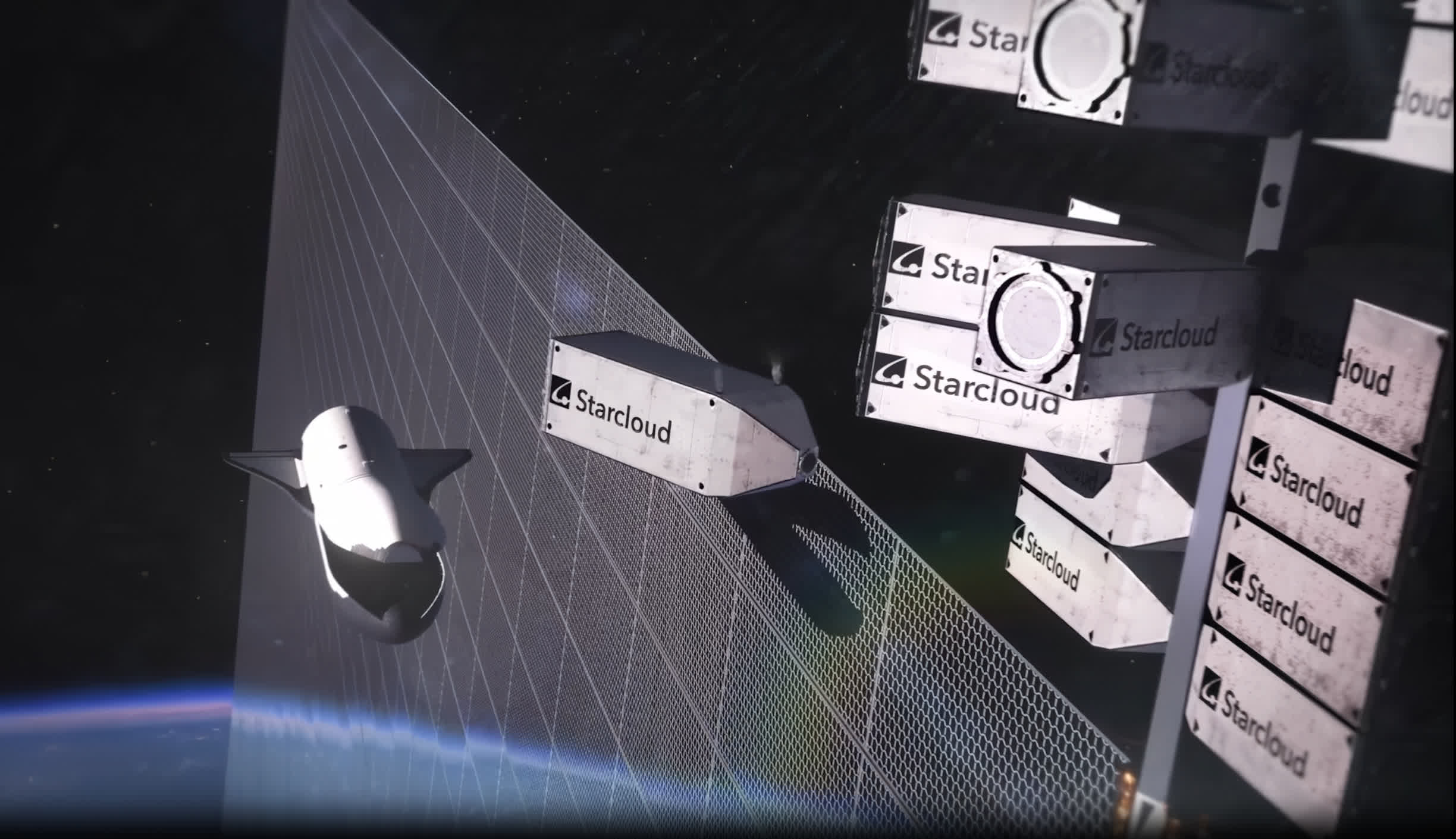
Redmond, Washington, startup Starcloud, formerly known as Lumen Orbit, will launch the 130-pound Starcloud-1 satellite in November. Nvidia says the small fridge-sized object is expected to offer 100x more powerful GPU compute than any previous space-based operation.
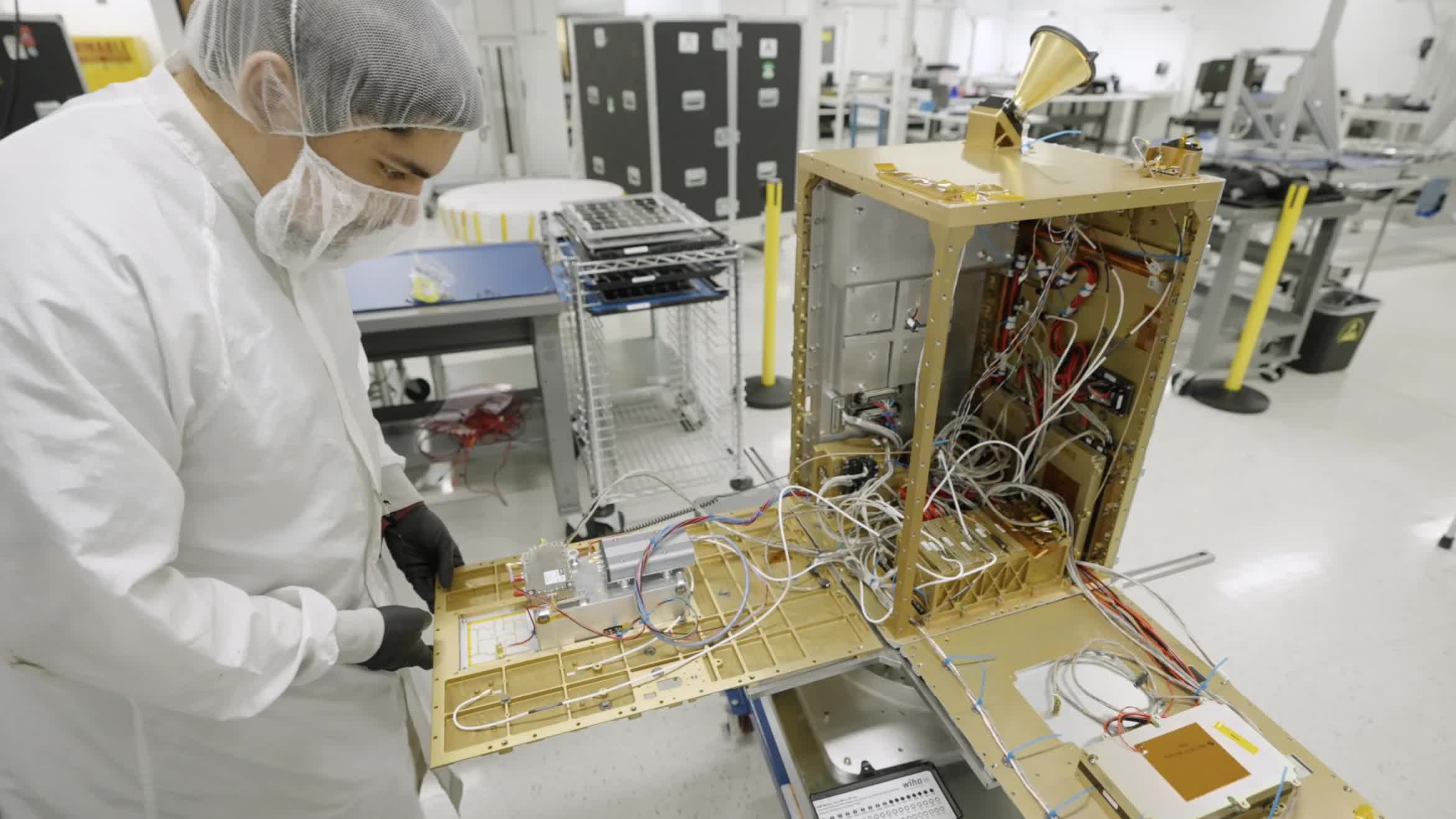
Starcloud-1
Space-based data centers have several advantages over their earth-bound counterparts. One of the biggest is that the constant exposure to the sun means there is an unlimited supply of low-cost renewable energy.
Earth's atmosphere reduces the efficiency of solar power by absorbing and scattering sunlight, blocking portions of the spectrum, and limiting how much energy reaches the surface – especially under clouds, pollution, or when the sun is low on the horizon. Heat further decreases solar panel performance, and variable weather makes output inconsistent.
A space-based solar-powered data center would avoid all these problems: without an atmosphere, sunlight is constant, unfiltered, and far more intense. There's no cloud cover, day-night cycle (in the right orbit), or temperature-induced inefficiency, allowing continuous, stable, and highly efficient energy generation. The emptiness of Space also allows for the use of massive solar arrays (below).
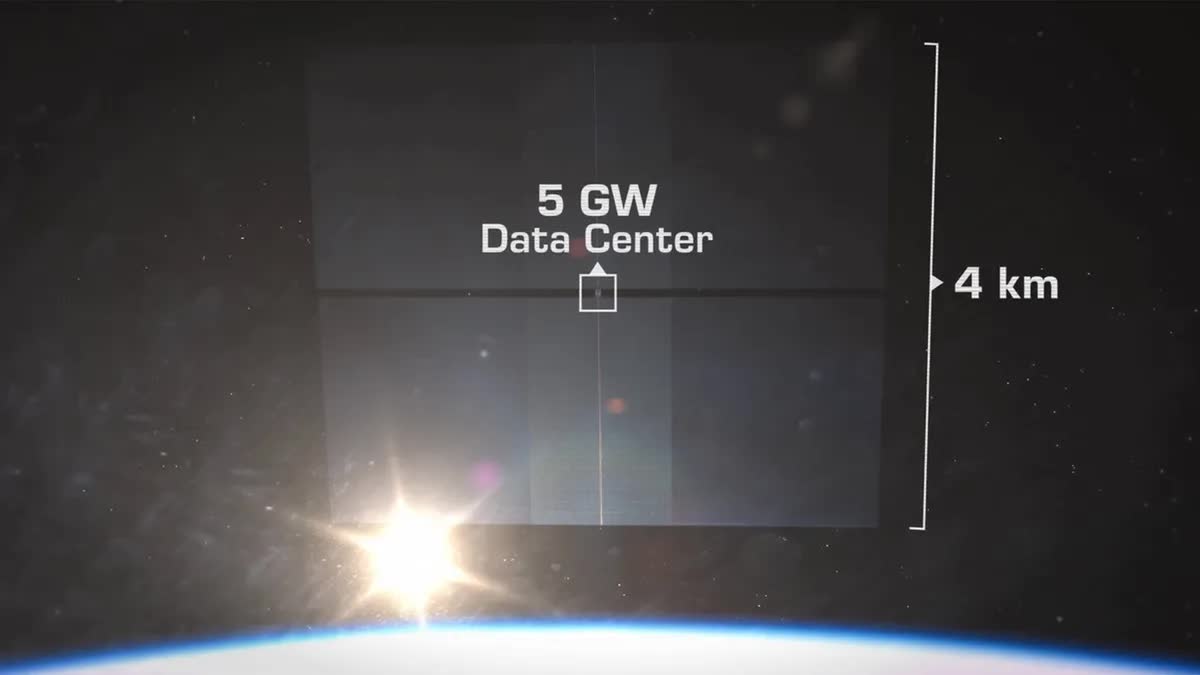
The other big advantage is that the orbiting data centers can be equipped with a deployable radiator. Emitting waste heat from infrared radiation into space conserves significant water resources on Earth, as water isn't needed for cooling. Nvidia says the vacuum of space can act as an infinite heat sink.
That sounds good, but what about the costs associated with getting the data centers into space? Starcloud estimates that even with launch expenses included, they will be 10x cheaper than land-based facilities.
"In 10 years, nearly all new data centers will be being built in outer space," said Philip Johnston, cofounder and CEO of Starcloud. "The only cost on the environment will be on the launch, then there will be 10x carbon-dioxide savings over the life of the data center compared with powering the data center terrestrially on Earth."
Johnston says that Starcloud has been preparing to attach the satellite to a SpaceX Falcon 9 rocket for next month's launch. It plans to launch the larger Starcloud-2, its first commercial satellite, next year.
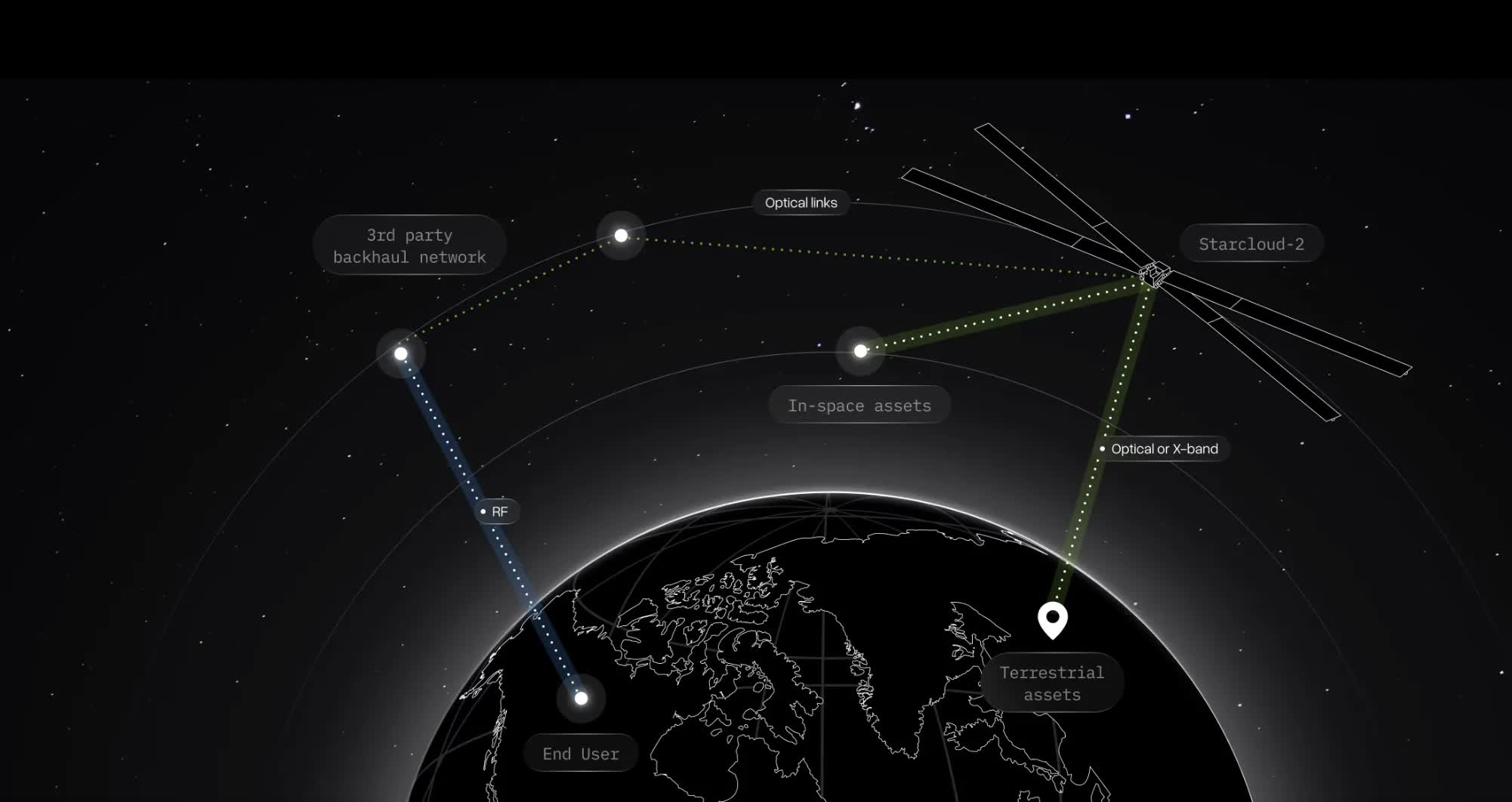
With companies pouring trillions into data-center growth, it's estimated that power demand for these facilities will increase 165% by 2030. Some locations are turning to renewable energy, but it all requires physical space.
There are still plenty of issues with putting data centers in outer space, including the potential for solar flares to cause mass disruption, collisions with the increasing amount of space junk, and even attacks by adversary countries. But proponents say the benefits outweigh the risks.
Nvidia GPUs head to space next month in first step toward AI data centers in orbit


