
A hot potato: OpenAI will no longer be forced to record all ChatGPT users' deleted chats indefinitely. The AI giant had to adhere to the requirement as part of a lawsuit brought by The New York Times, but the preservation order was terminated last week.

In December 2023, The New York Times sued OpenAI over some very familiar claims: that it had used the publication's copyrighted material in its training data. The suit states that millions of the Times' news articles, in-depth investigations, opinion pieces, reviews, how-to guides, and more were used to train OpenAI's chatbots, which now compete with the news outlet as a source of information.
In June 2025, the court ordered OpenAI to retain its consumer and API customer chat logs indefinitely, including any that had been deleted, so they could be investigated to decide whether the chatbot can be prompted to reproduce copyrighted articles originally published on the web.
OpenAI complained that the order went too far and didn't respect its users' privacy. It appealed but lost. Ars Technica writes that plaintiffs were searching through the logs by July, though only ChatGPT's outputs were preserved.
On Thursday, US Magistrate Judge Ona Wang approved a joint measure from the news organizations and OpenAI to terminate the preservation order.
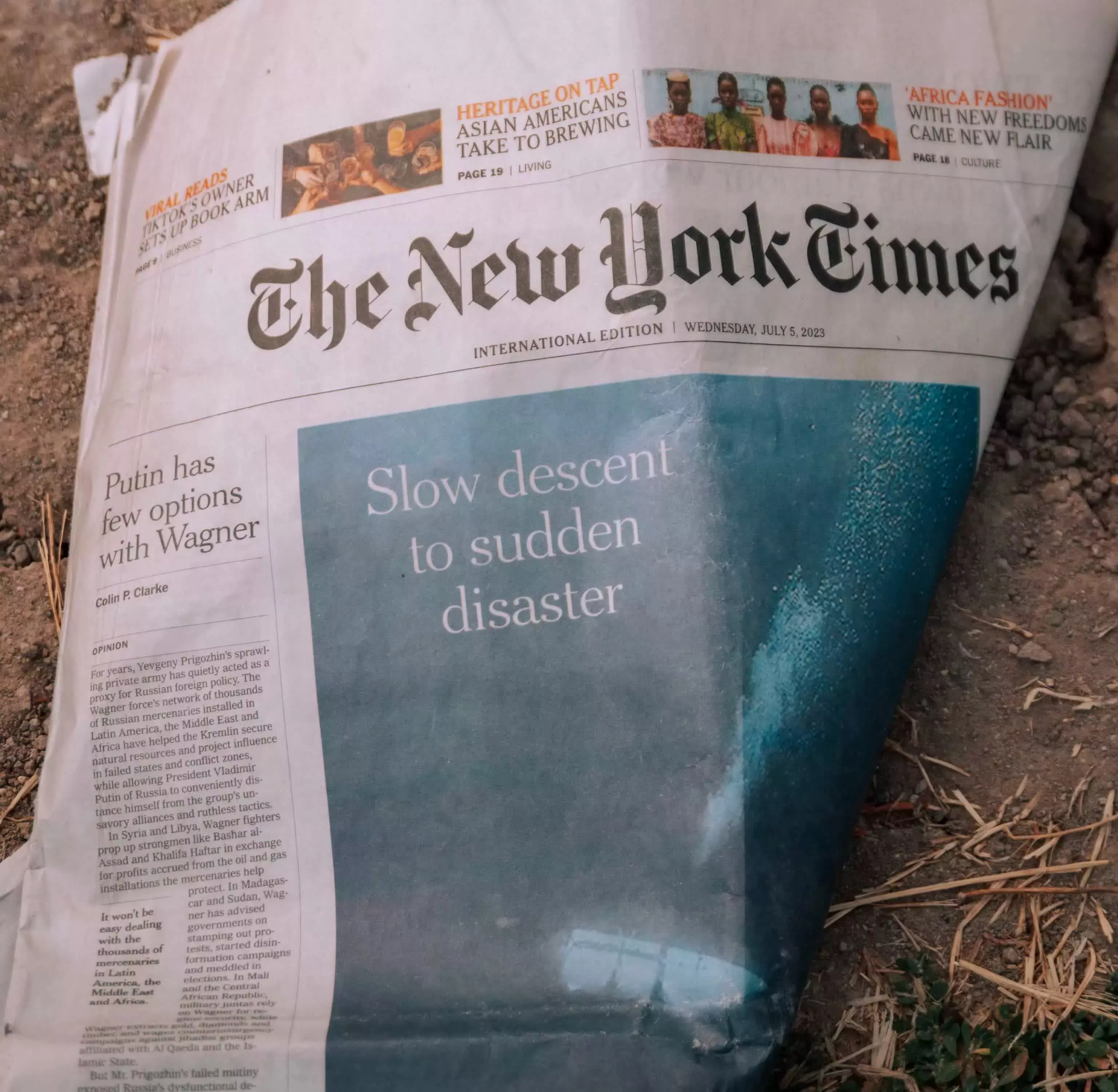
Ars writes that some deleted and temporary chats from users whose domains have been flagged by news organizations since they began searching through the data will continue to be monitored. The practice of preserving all output log data that would otherwise be deleted will cease on September 26.
However, all the chat logs previously saved as part of the preservation order will continue to be accessible to the news organizations, which are searching for examples of ChatGPT outputs infringing their articles or attributing misinformation to their publications.
OpenAI has been sued on numerous occasions over allegations that it uses copyrighted works in its training data. The Authors Guild and individual authors such as John Grisham and George R.R. Martin have an active case against the company. It's also been sued by Ziff Davis and several other national and international newspapers and publishers. OpenAI frequently argues that this practice falls under US copyright law's "fair use" doctrine, but most people outside of the AI industry disagree.
OpenAI no longer required to store all users' deleted ChatGPT logs after court ruling


