Why it matters: For indie developers and artists questioning whether stylized "AI lookalike" worlds can move beyond concept art, Starhelm's Project Shadowglass demonstrates they can – blurring the line between nostalgia-driven aesthetics and technical innovation. This dark fantasy stealth game pairs classic immersive sim design with a unique real-time 3D pixel art rendering, entirely free of AI generation.
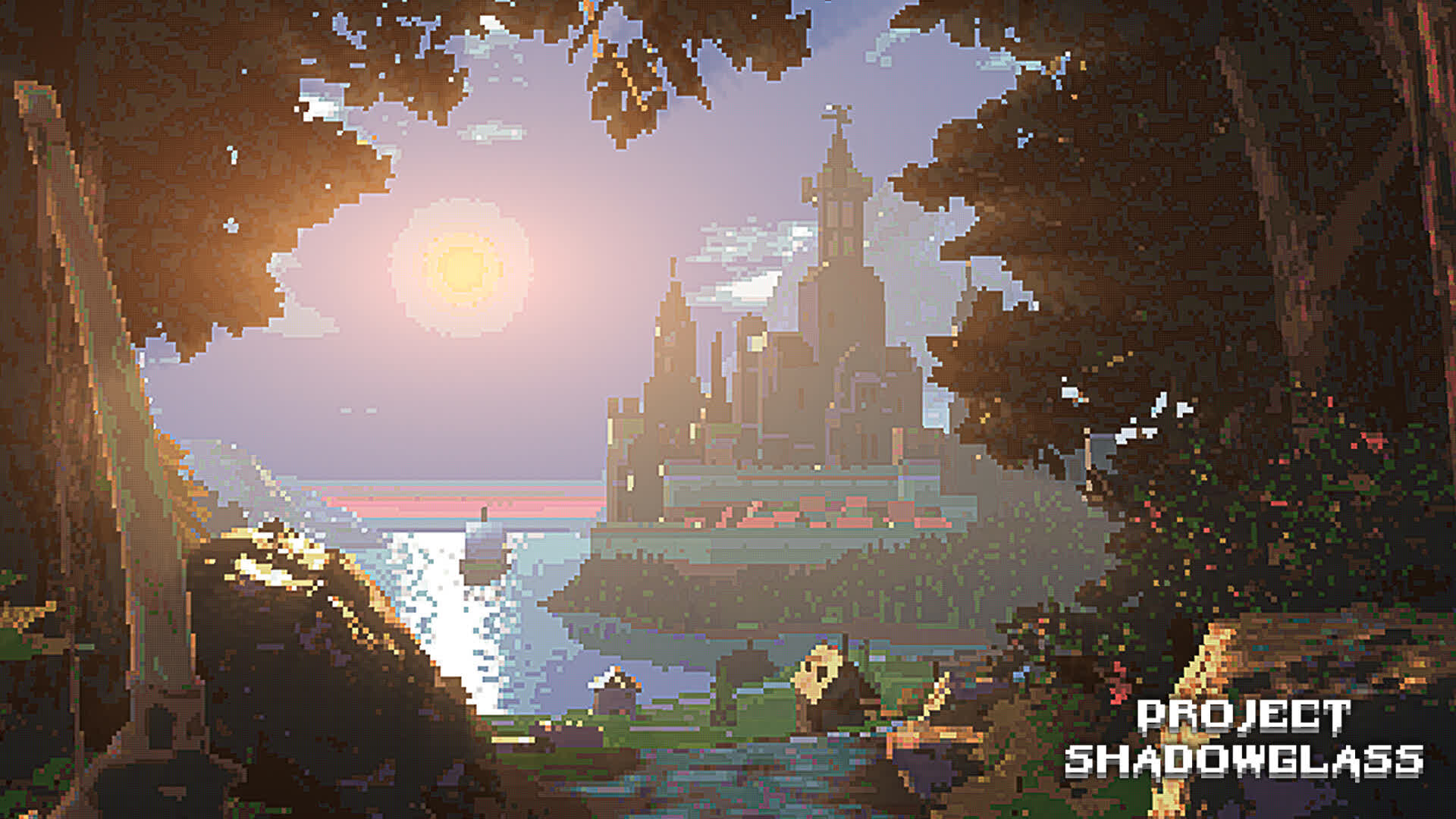
Independent developer Starhelm Studios, led by developer Dominick John, is working on Project Shadowglass, a stealth-focused immersive sim developed in the open-source Godot engine. The project is notable for one key reason: it reproduces the viral AI-generated pixel art aesthetic that many online commentators claimed could not be created without generative tools.
In the weeks before the game's reveal, digital artists and developers debated whether anyone could translate the surreal images of glowing medieval cities and luminous night skies circulating online into a playable game. John's work directly addresses that skepticism.
Development footage shared on social channels showcases flickering lanterns, red-tinted moons, and weathered castle towns rendered in striking 3D pixel art, all captured directly from the Godot engine. Starhelm Studios confirms that the team builds every frame with custom 3D rendering techniques that preserve the blocky character of low-resolution art while enabling 360-degree movement through the world.
Shadowglass draws inspiration from classic immersive games such as Thief, Deus Ex, and System Shock, transferring their principles of choice-driven infiltration and consequence into a dark fantasy setting. Players assume the role of a skilled infiltrator executing high-stakes heists across a kingdom where every action carries weight beyond a single mission. Choices during each operation – whether sneaking quietly through corridors or confronting guards directly – have long-term effects: getting caught increases security in future levels, while committing violence can alter how citizens and factions react.

Mechanically, Shadowglass preserves the core elements of its genre. Players navigate using light and sound, relying on shadows and soft surfaces to remain undetected. Players can extinguish torches to create darkness and distract or subdue guards, depending on the chosen approach. When stealth fails, combat and quick thinking become essential: players might hide evidence, drag unconscious bodies out of sight, or engage in more direct confrontations.
"They Said It Couldn't Be Done" - Indie Dev Brings "Impossible" AI-Generated RPG Concept To Life. (Image: @dominickjohn) https://t.co/atavJfjCCG
– Time Extension (@timeextension64) October 9, 2025
Players conduct reconnaissance before each heist, studying patrols and magical defenses that protect valuable relics. Obstacles include armored guards, magical detection systems, and towering cliffs where a single misstep can be fatal. Each scenario offers multiple solutions, reflecting the "sandbox" design philosophy of earlier immersive classics.
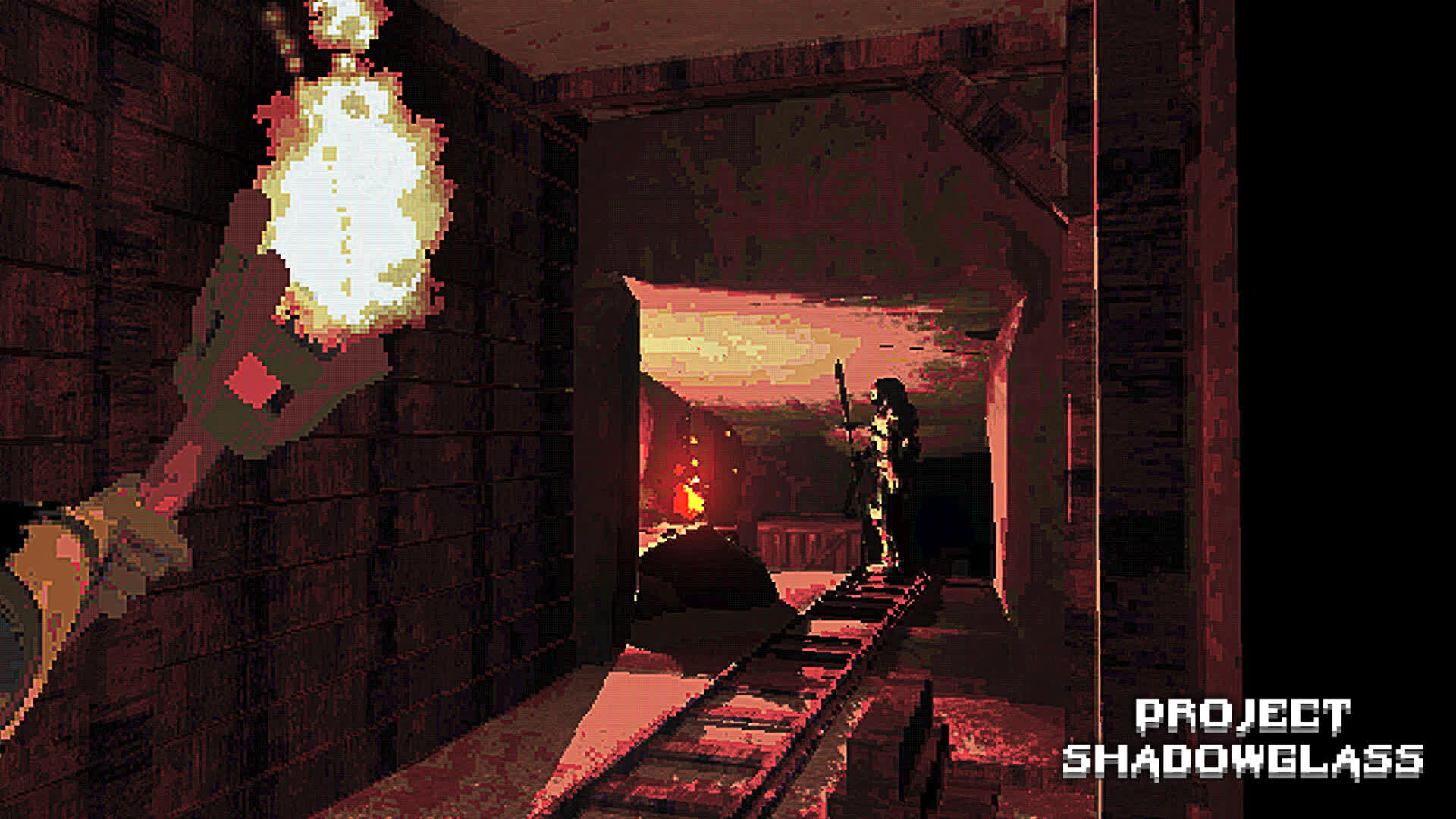
Project Shadowglass stands out technically for its rendering system. Instead of relying on static pixel textures, the engine converts 3D geometry into a stylized pixel grid that responds naturally to lighting and physics. The resulting visuals create a distinctive hybrid look – between retro sprite art and modern real-time 3D – that many assumed only AI image synthesis could produce. Every video released to date comes directly from gameplay, without compositing or post-processing.
Project Shadowglass is still in active development. However, Starhelm recently activated its product page on Steam. Prospective players can now follow its progress and add it to their wishlists.
Project Shadowglass brings "impossible" pixel-art worlds to life in real time


