The takeaway: Amazon has rolled out a suite of artificial intelligence – powered upgrades to its Ring home security devices, including facial recognition and a system that leverages neighborhood cameras to help locate missing pets. The announcement marks a significant escalation in the race for smart home security, as Amazon doubles down on AI-driven monitoring and convenience.
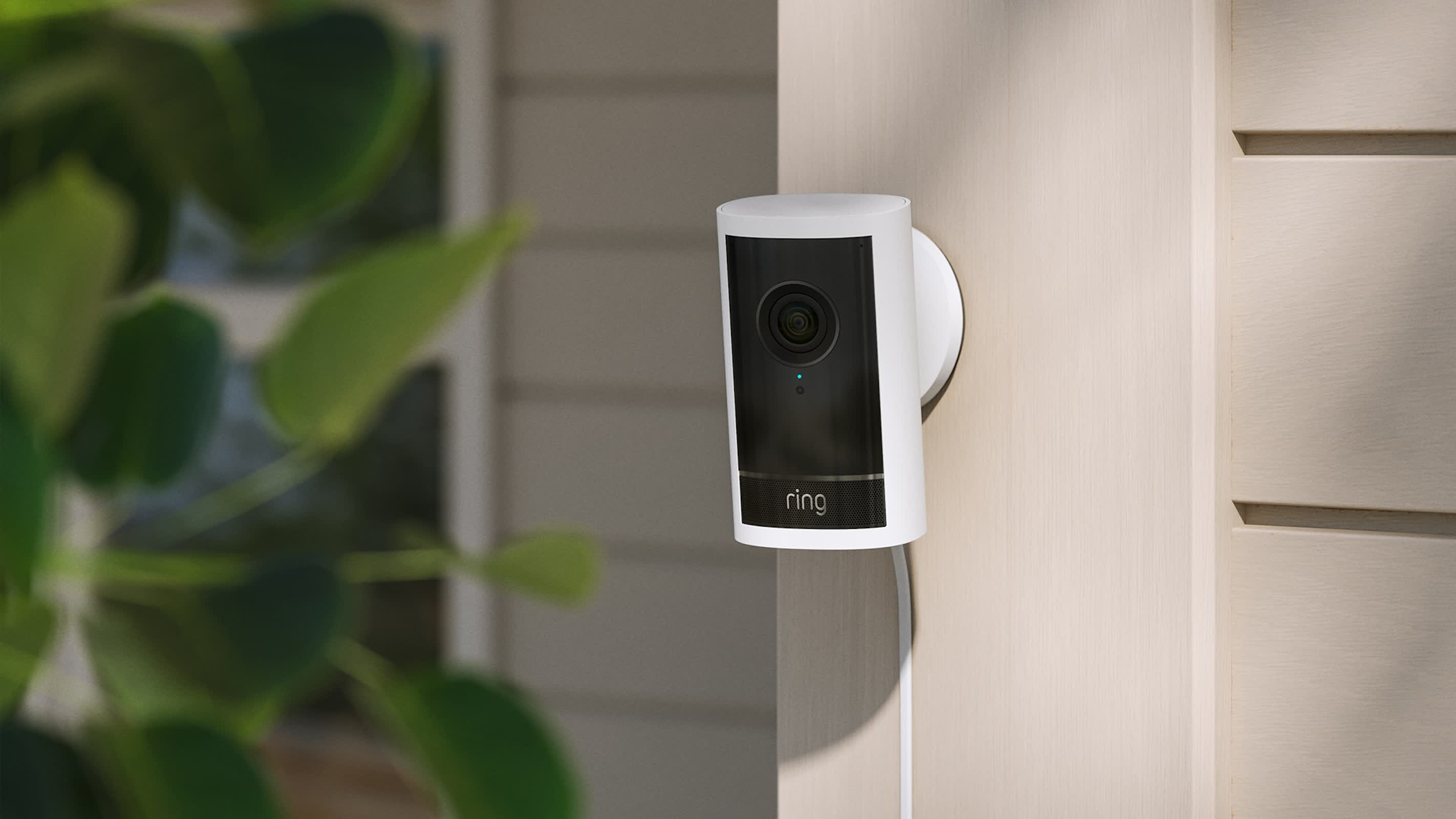
The unveiling comes as Ring, long a dominant player in the consumer surveillance market, introduces its first 4K video models and debuts a proprietary imaging system called Retinal Vision. These new cameras are paired with machine learning tools designed to improve accuracy in identifying people and animals, while also giving users more control over notifications and privacy.
One of the standout features, Familiar Faces, uses facial recognition to identify pre-enrolled individuals such as friends and family. Subscribers can upload photos of trusted contacts, allowing Ring devices to automatically recognize and announce approved visitors at the door. If the system detects someone not on the list, it flags the presence of an unfamiliar individual.

The new tools are integrated with Alexa+, a software layer Amazon describes as a "smart doorbell assistant." When a familiar face approaches, Alexa+ can greet them by name, interact with guests or couriers, relay package instructions, or provide pre-set messages. This effectively transforms the Ring network into a digital concierge, automating tasks such as answering the door and screening visitors.
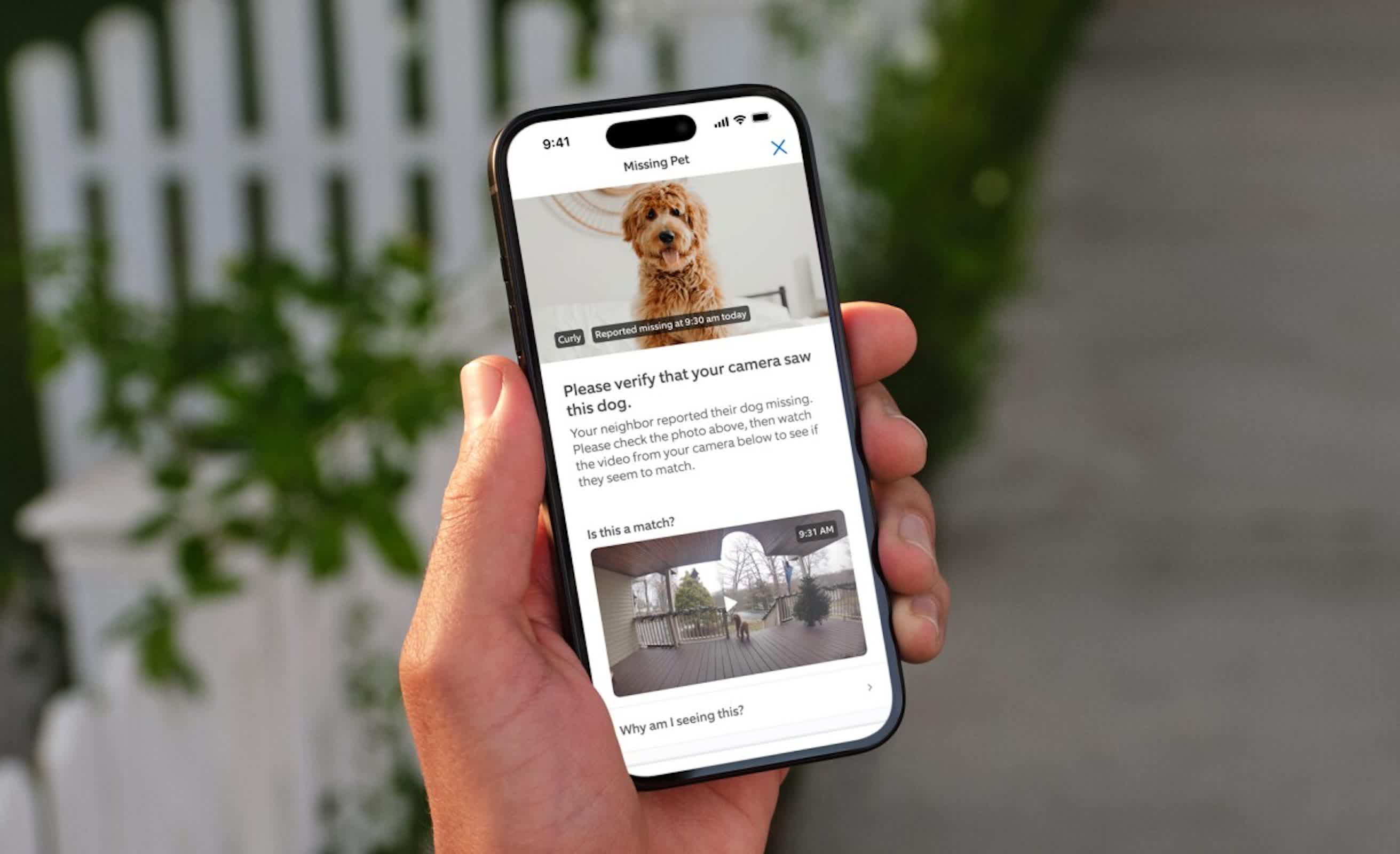
Ring's rollout also includes another AI-powered feature called Search Party, designed to help communities locate lost pets. When a user reports a missing animal, Ring devices in the neighborhood can share descriptions and images with nearby users, who may voluntarily respond with potential sightings. The system uses computer vision to match reported animals against footage captured by participating cameras.
These advances come amid ongoing scrutiny of Ring's privacy practices and its ties to law enforcement. The company has faced criticism over its handling of personal data and its history of sharing footage with police. In 2024, Ring ended its policy that allowed police departments to directly request videos through the Neighbors app, shifting instead to a system where legal access requires a warrant. Earlier this year, the company reversed course.
The new AI features will roll out on devices equipped with Amazon's latest Retinal Vision technology, now available for pre-order. Search Party for dogs will launch in November, while Familiar Faces recognition and Alexa+ Greetings are slated for release in December. The company added that support for cats and other pets will arrive at a later date.
Ring's latest doorbell cameras can identify guests and help find lost dogs


