The big picture: Roland's decision to return to analog hardware reflects both strong market demand and a recognition of its own legacy. For years, competitors and boutique manufacturers have filled the gap left by Roland, often producing instruments explicitly modeled on the company's most iconic designs. With the TR-1000, Roland seems determined to reclaim territory that, for some time, has largely belonged to others.
Roland is returning to its analog roots with the TR-1000 Rhythm Creator, marking a notable strategic shift after years of focusing on digital sound modeling and software recreations of its classic drum machines.
The launch represents the company's most direct effort in decades to reassert itself in the analog segment of the electronic instrument market, an area it largely avoided during the industry's recent renaissance.
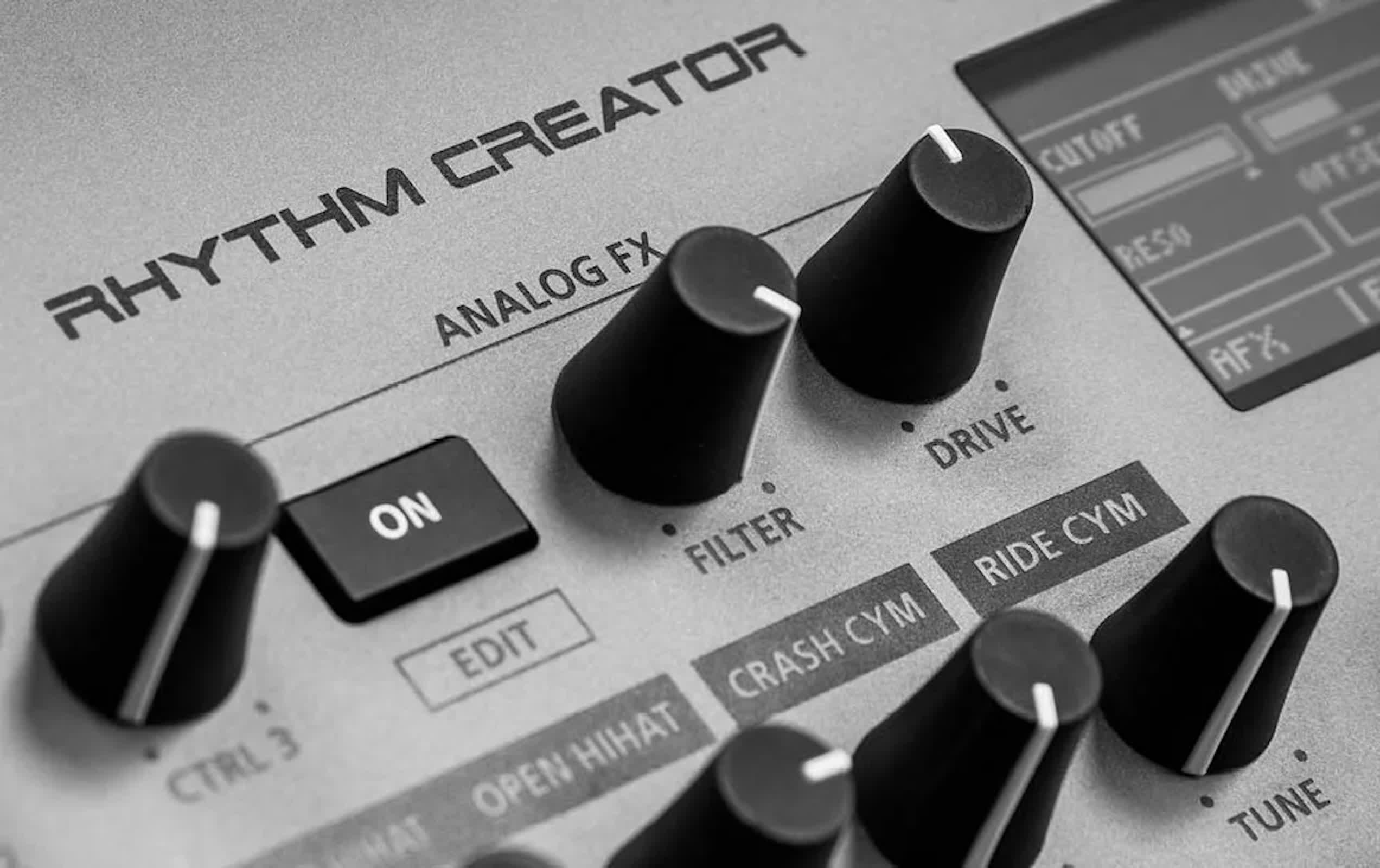
Unlike recent Roland offerings that relied heavily on digital technologies such as the Zen-Core engine, Analogue Circuit Behavior modeling, and the subscription-based Roland Cloud service, the TR-1000 is a fully analog instrument.
The machine reconstructs 16 distinct analog circuits from the company's legendary TR-808 and TR-909 units, two iconic instruments that have helped shape electronic, hip-hop, and pop music since the 80s.
At the same time, Roland has equipped the TR-1000 with a hybrid array of modern sound capabilities designed to appeal to today's producers. In addition to its analog circuits, the instrument incorporates ACB-powered digital sounds, FM-based percussion, and PCM sample playback. It also features a sophisticated sampling toolkit, allowing musicians to time-stretch loops and slice drum breaks for experimental performance setups.
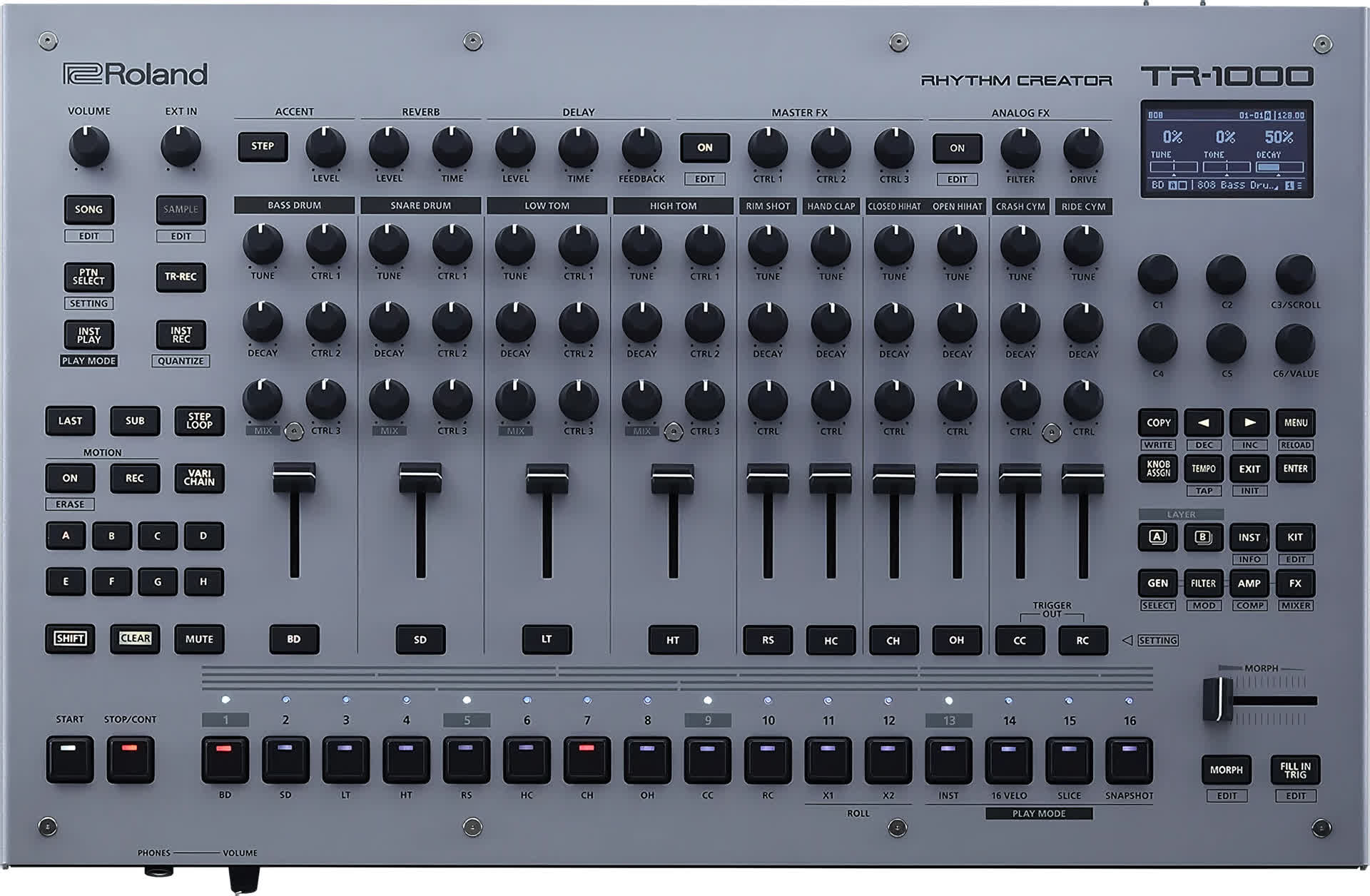
A front panel covered with knobs, buttons, and faders emphasizes hands-on control, reducing the need to navigate the menus that have defined many of Roland's recent digital releases. The inclusion of a stereo analog filter and drive section reinforces the company's focus on tactile sound shaping, offering options to add grit, sculpt tones, and build intensity in both live and studio settings.
Its substantial size and robust build, however, indicate that the TR-1000 is primarily intended for studio environments rather than portable performance rigs.
Price remains a key consideration. At a retail cost of $2,699.99, the TR-1000 is unlikely to appeal to casual musicians or hobbyists, instead targeting professional users. By comparison, vintage TR-808 and TR-909 units frequently sell for more than double that amount on the secondary market without offering the sampling capabilities and expanded functionality of the new model.


