True OLED: Samsung has announced a new solution to the long-standing problem of external light reflections on gaming displays. Quantum dot OLEDs can deliver truly breathtaking visuals, but they require the right environmental conditions to showcase their "true black" performance.
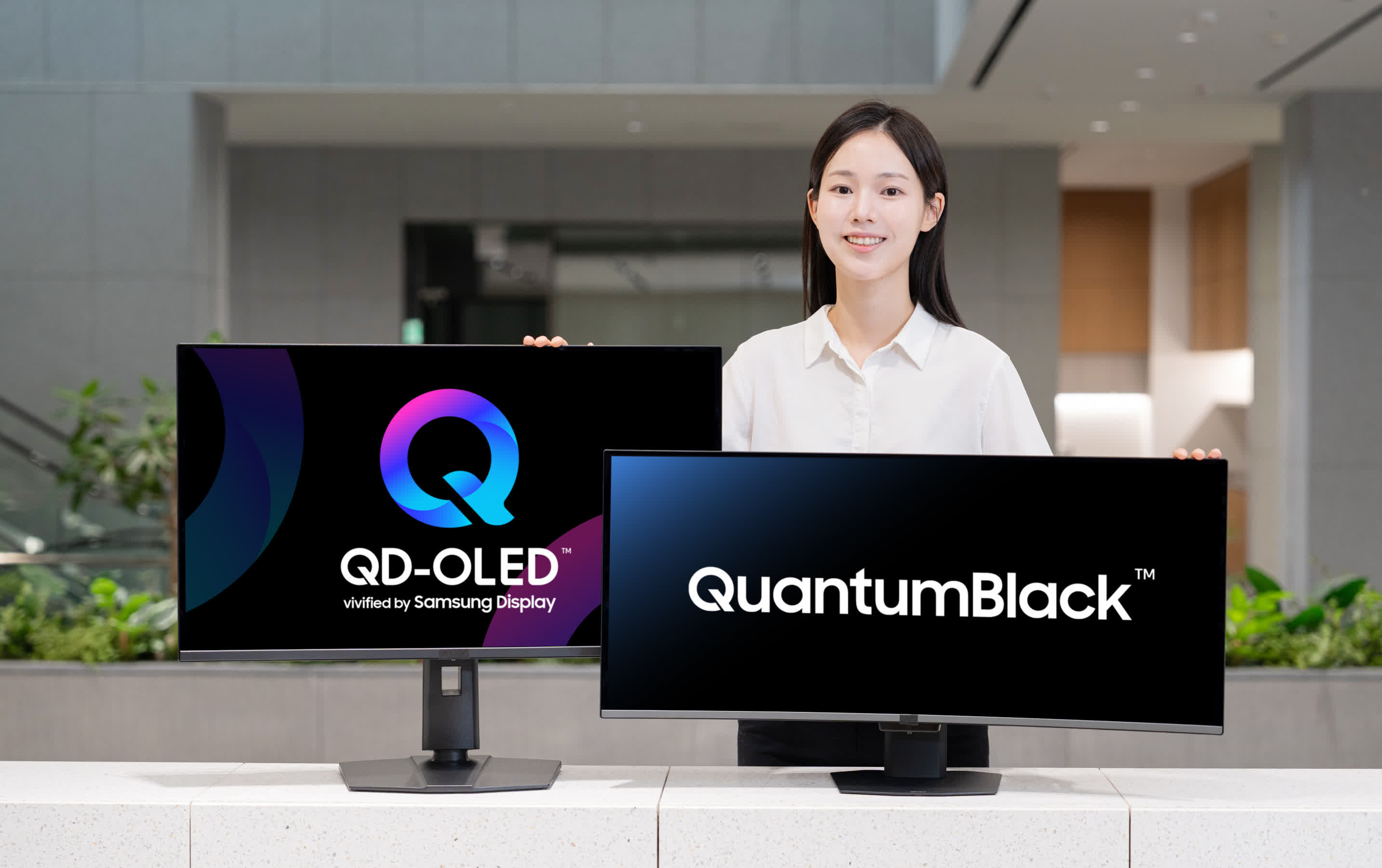
Samsung's newly introduced QuantumBlack technology adds a film to the company's QD-OLED panels, enhancing immersion and reducing reflections from external light sources. The South Korean company said QuantumBlack improves both reflection control and surface hardness, and it will become a standard feature on all QD-OLED monitors expected to launch in 2026.
The QuantumBlack film is a low-reflection, high-durability layer that Samsung says can cut light reflections by 20% compared with previous solutions. The film also increases a panel's hardness to 3H, offering better resistance to accidental scratches.
Samsung explained that QD-OLED can achieve "true blacks" by completely cutting power to individual pixels. However, external factors – such as ambient light – can interfere, creating reflections that make the true blacks more difficult to experience.
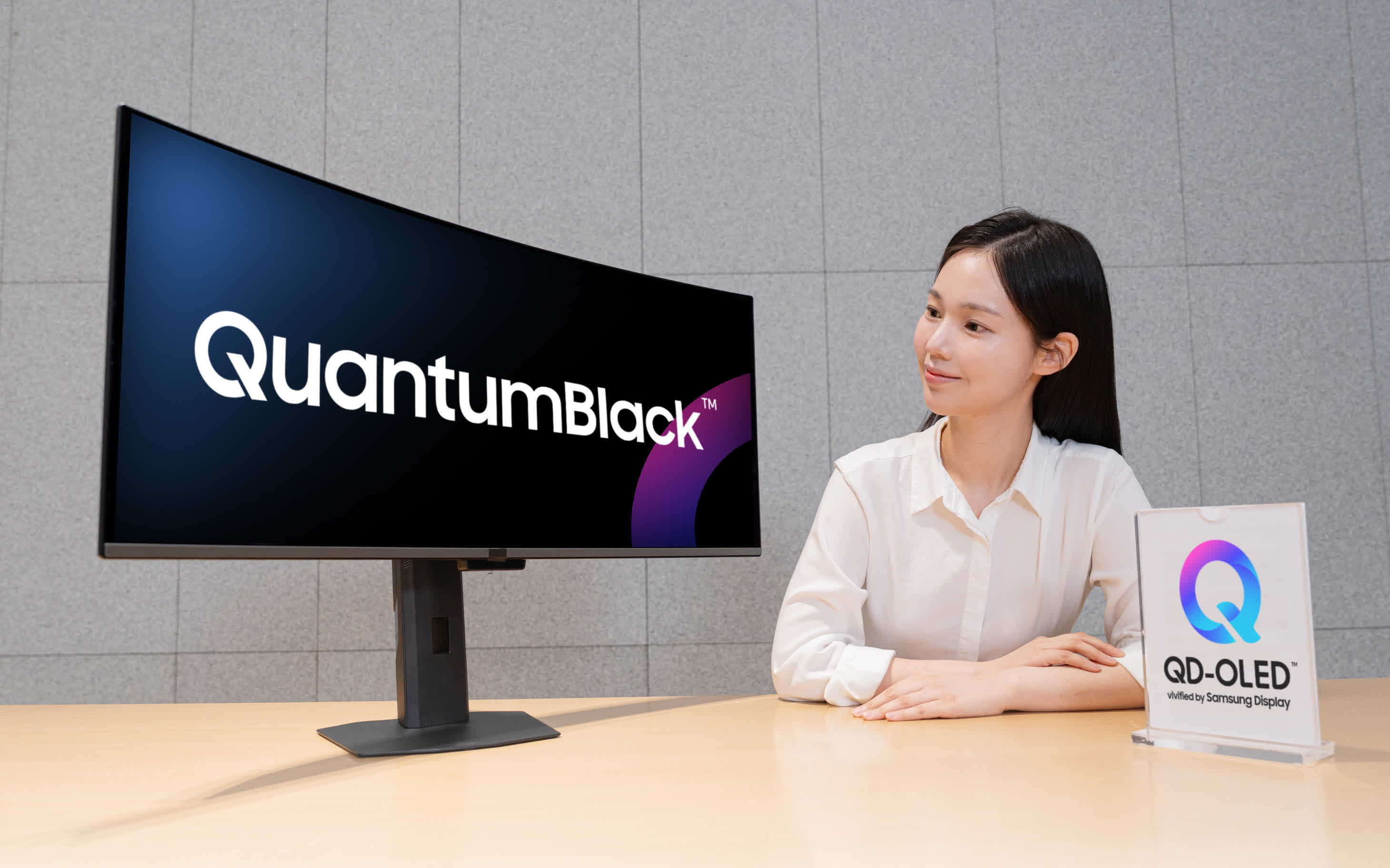
Black performance is one of the most important aspects of a gaming monitor. Accurate, true black levels help define foreground objects and background environments, but external reflections can disrupt the viewing experience. First-person shooters and survival games are especially affected by the issue, although results may vary.
Personally, I've not noticed a meaningful improvement in my gaming performance after upgrading my monitor. I struggled with Doom (2016) on a 1080p TN monitor (AOC G2460PG) and still struggled with Doom Eternal on a QHD IPS monitor (Alienware AW2721D). I've yet to try an OLED panel – maybe that's when I'll finally get better at fast-paced FPS games.
Samsung noted that display OEMs will soon integrate QuantumBlack technology into new gaming monitors. The company cited Asus's new "Black Shield" line, Gigabyte's "Obsidian Shield," and MSI's "Dark Armor" as third-party adopters of the anti-reflection solution.
What is still unclear is how much QuantumBlack will affect a monitor's price. According to Samsung Display Vice President Brad Jung, the technology is a "premium" solution designed to enhance the appeal of QD-OLED displays. Research firm Omdia expects the global market for self-emissive monitors to reach 7.6 million units by 2030.
Samsung's new QuantumBlack coating reduces QD-OLED reflections by 20%


