In a nutshell: As the global population ages, Alzheimer's disease has become one of the most common forms of dementia affecting older adults. Traditional diagnostic methods are often expensive and uncomfortable, but a team of Spanish researchers is now proposing a simpler, more affordable alternative.
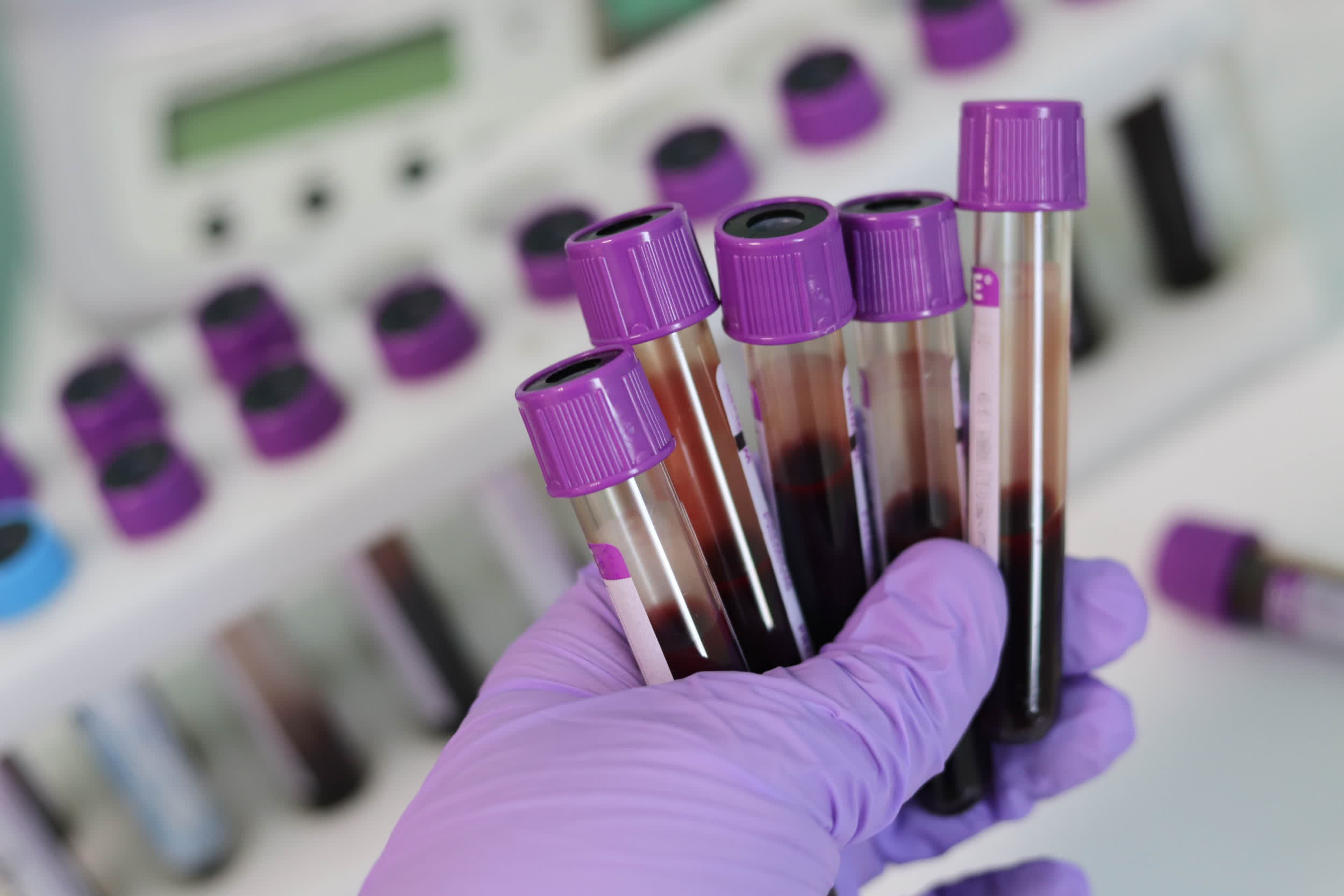
A newly published study highlights how a quick and simple blood test may help physicians provide a more accurate diagnosis of Alzheimer's disease. Led by Jordi A. Matias-Guiu, a neurologist at Hospital Clínico San Carlos in Madrid, the study reevaluates the significance of a well-known biomarker in detecting neurodegenerative conditions such as Alzheimer's.
No power-hungry AI or machine-learning model was involved in the quest to advance medical knowledge and clinical procedures. The Spanish study, published in the February issue of the Journal of Neurology, examines the impact of p-tau217 testing on diagnostic confidence in cases of cognitive disorders.
P-tau217 is a naturally occurring protein that helps neurons remain healthy and stable while performing their critical neurological functions. When the protein begins to accumulate into clump-like structures, synaptic signaling is disrupted, and the brain loses plasticity. Over time, this process can contribute to the development of Alzheimer's disease and other serious neurodegenerative conditions.
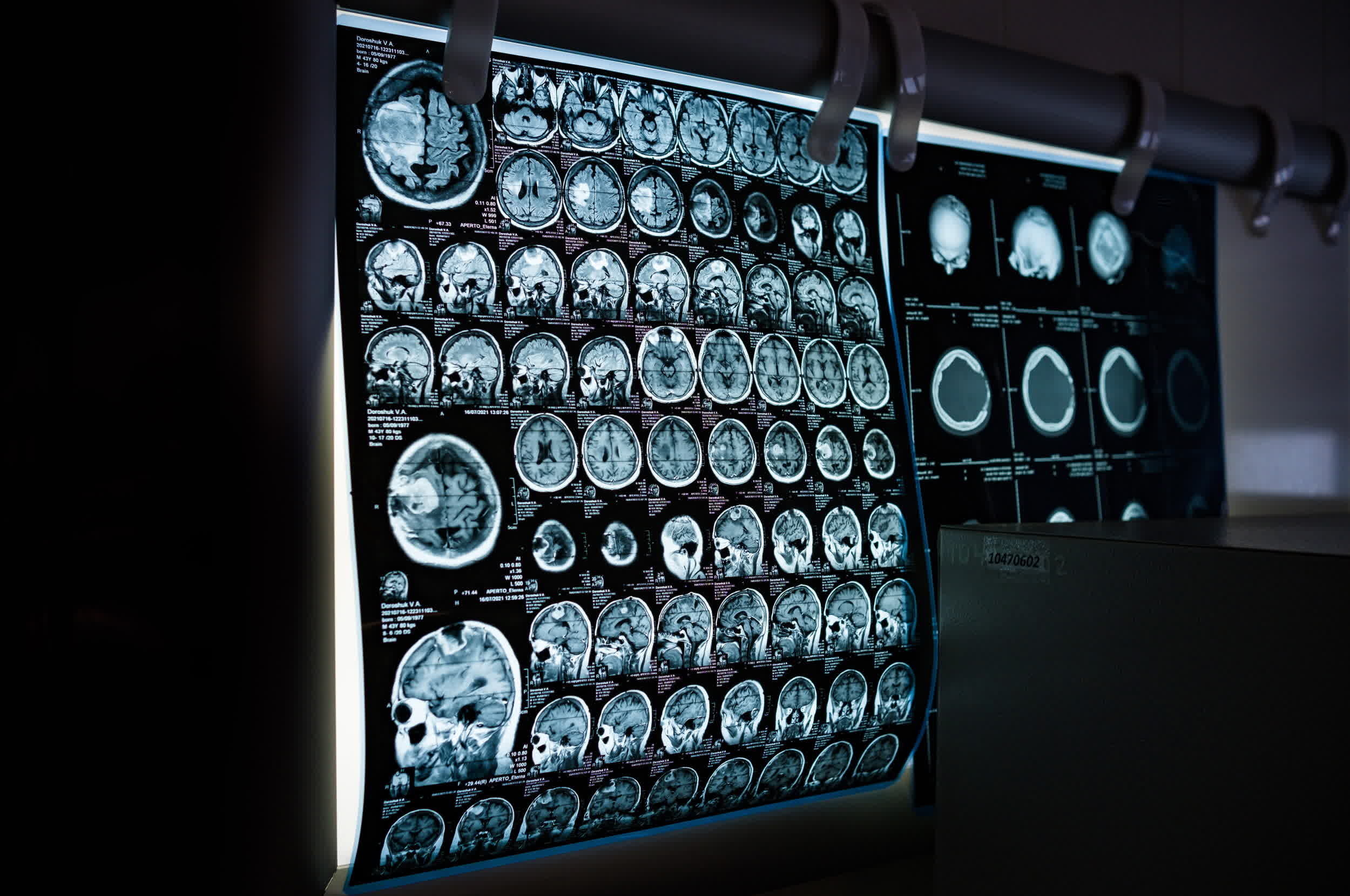
The p-tau217 protein is not considered the primary cause of Alzheimer's disease, but elevated concentrations in the blood may serve as an early warning sign that the brain is under stress. Researchers have studied p-tau217's role for some time, though earlier efforts were largely confined to tightly controlled laboratory settings.
The Spanish researchers took a different approach by examining p-tau217 concentrations under real-world clinical conditions. The Madrid team followed 200 new patients aged 50 or older who exhibited significant symptoms of cognitive impairment. The study found that adding the p-tau217 blood test significantly improved Alzheimer's diagnostic performance.
Physicians relying solely on traditional clinical evaluation methods achieved correct diagnoses in 75.5 percent of cases. When the blood test was incorporated, diagnostic accuracy increased to 94.5 percent – an improvement of 19 percentage points. The new procedure also helped identify patients whose symptoms were caused by conditions other than Alzheimer's, while detecting the disease in some patients who initially appeared to be experiencing normal aging.
The study concludes that incorporating p-tau217 measurements into standard clinical practice may substantially improve diagnostic accuracy. The biomarker appears effective in detecting Alzheimer's disease in both early-stage cases and patients with advanced dementia.
Simple blood test could dramatically boost Alzheimer's diagnosis accuracy