Some AI researchers are taking up smoking because they believe artificial intelligence will cure cancer

midian182

Posts: 11,984   +183
Staff member
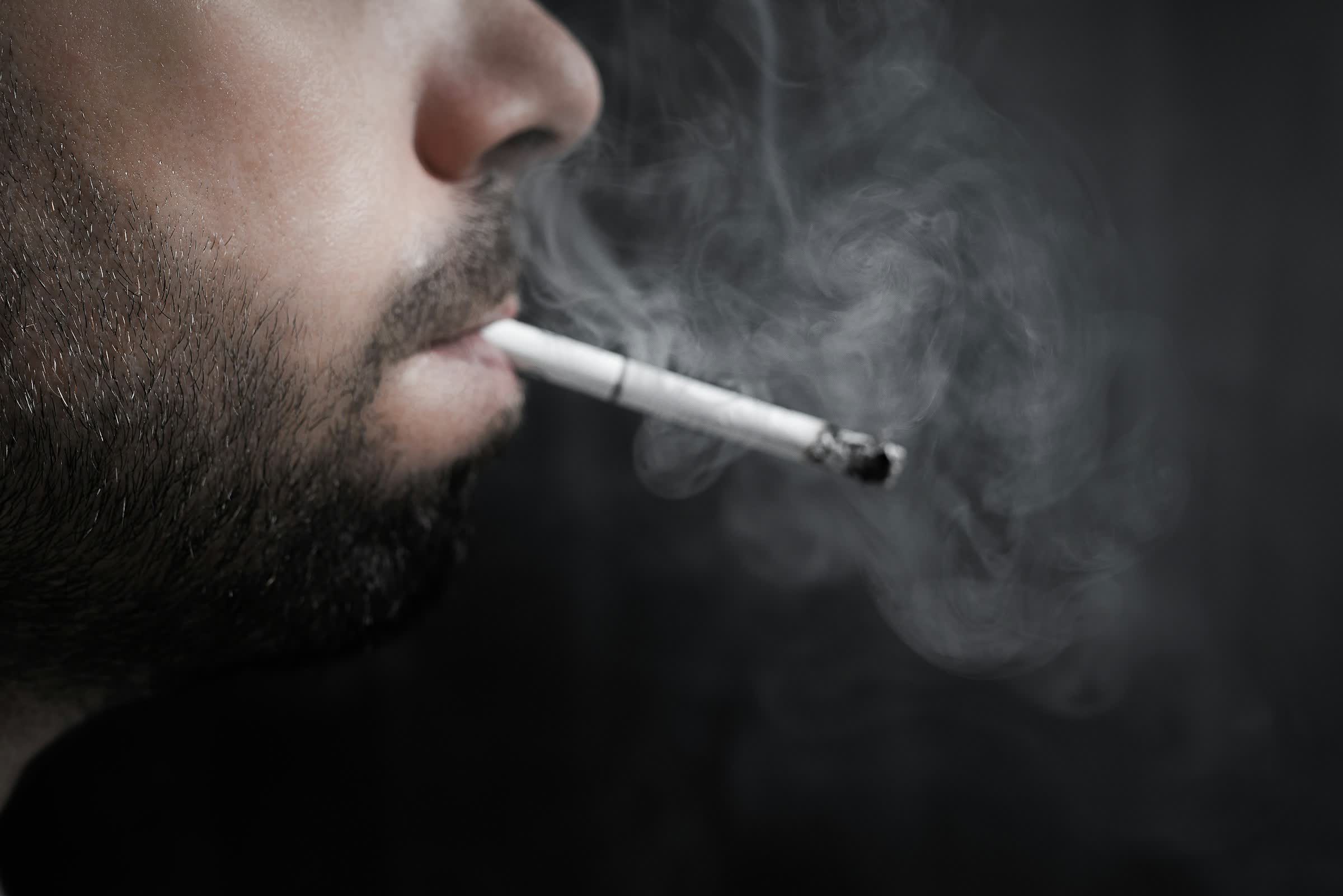
WTF?! The promise that AI is going to cure cancer has failed to materialize, but some AI researchers are so sure it'll happen one day that they've taken up smoking. That's according to Palantir CTO Shyam Sankar, who says this comically bad idea is a sort of flex to show others how much faith they have in the technology.

Sankar made his claim during an interview on CBS's Face the Nation on Sunday. The exec talked about Pascal's quote of how there is a God-shaped vacuum, or hole, in the heart of every person, and how many AI workers in Silicon Valley had filled that hole with the machine god that is AI (or AGI, as he calls it).

As an example of this unwavering faith in their Warhammer 40,000-like machine god, Sankar claims that many AI researchers have started smoking as a way of signaling to other researchers how much they believe in AI.

"'I believe so much in AI that it's going to cure cancer. So I will – I'm showing you my chips are all in.' So there is kind of this mass psychosis social delusion around it," the Palantir executive said.

Assuming this is true, and it very well may be, given some people's fetishism of AI, it's very stupid and a bit sad. Even if AI did help scientists develop effective treatments for some cancers, smoking can cause several different types of the disease.

Moreover, there's the time it takes to test these treatments in clinical trials, and let's not forget the numerous other non-cancerous but still potentially fatal conditions smoking can cause. So maybe think twice before deeply inhaling those tar-filled toxins into your spongy lungs.

Despite being filled with health-obsessed types like Bryan Johnson, there have been several recent articles about how smoking is making a comeback in certain tech circles, so maybe some of what Sankar says is true. Or perhaps in these uncertain times we live in, the smokers think there might not be a future to worry about – ironically, a big part of that is driven by the threat from rogue AI.

While not on the level of curing cancer, an AI-generated drug was reported last month to have shown signs of a different breakthrough: slowing the aging process. There were some caveats, of course, the big one being that changes in aging markers don't prove we'll soon be living to 150 or older.

Permalink to story:

 
Smoking doesn't just cause cancer. It can lead to a whole host of serious, life threatening health problems. In my case, it was thoracoabdominal aortic aneurysm.

Had my appendix not caused me issues, which lead my doctor to discover the aneurysm. What many people don't realize is that smoking damages the walls of your arteries, causing inflammation and weakening their structural integrity over time. This can contribute to the development of aneurysms anywhere in the body, where the weakened artery wall begins to bulge and expand. As the aneurysm grows, the risk of a life threatening rupture increases.

The frightening part is that most people with any aneurysm have absolutely no idea they have one until it's too late. They often develop without symptoms, and when one ruptures, death comes suddenly. In some cases, those deaths may even be mistaken for heart attacks.

I was fortunate mine were discovered before it was too late. Not everyone gets that second chance.

So when people talk about the dangers of smoking, understand that cancer is only one piece of a much bigger picture.
 
Smoking doesn't just cause cancer. It can lead to a whole host of serious, life threatening health problems. In my case, it was thoracoabdominal aortic aneurysm.

Had my appendix not caused me issues, which lead my doctor to discover the aneurysm. What many people don't realize is that smoking damages the walls of your arteries, causing inflammation and weakening their structural integrity over time. This can contribute to the development of aneurysms anywhere in the body, where the weakened artery wall begins to bulge and expand. As the aneurysm grows, the risk of a life threatening rupture increases.

The frightening part is that most people with any aneurysm have absolutely no idea they have one until it's too late. They often develop without symptoms, and when one ruptures, death comes suddenly. In some cases, those deaths may even be mistaken for heart attacks.

I was fortunate mine were discovered before it was too late. Not everyone gets that second chance.

So when people talk about the dangers of smoking, understand that cancer is only one piece of a much bigger picture.
My father was a heavy smoker his whole life, and his lungs were more or less finished. He died of another reason, not smoking, but he would probably advise others not to take up the cigarette at all.
 
Smoking doesn't just cause cancer. It can lead to a whole host of serious, life threatening health problems. In my case, it was thoracoabdominal aortic aneurysm.

Had my appendix not caused me issues, which lead my doctor to discover the aneurysm. What many people don't realize is that smoking damages the walls of your arteries, causing inflammation and weakening their structural integrity over time. This can contribute to the development of aneurysms anywhere in the body, where the weakened artery wall begins to bulge and expand. As the aneurysm grows, the risk of a life threatening rupture increases.

The frightening part is that most people with any aneurysm have absolutely no idea they have one until it's too late. They often develop without symptoms, and when one ruptures, death comes suddenly. In some cases, those deaths may even be mistaken for heart attacks.

I was fortunate mine were discovered before it was too late. Not everyone gets that second chance.

So when people talk about the dangers of smoking, understand that cancer is only one piece of a much bigger picture.

It’s not even just the illnesses it directly causes it’s also the decreases in health it causes indirectly and conditions it can make worse such as pneumonia.
 
Regarding the "machine god," well, man is incurably religious. It happens even in other fields such as science/cosmology where certain speculations, passed off as fact, are on the same footing as metaphysics. No doubt, in Silicon Valley, some are finding their version of god in AI, allowing the numinous infrastructure in themselves to be satisfied while decoupling it from the "unpleasant notion" of a creator executing the universe in a laboratory.
 
It’s not even just the illnesses it directly causes it’s also the decreases in health it causes indirectly and conditions it can make worse such as pneumonia.
And heart disease. If we can't fix stupid maybe evidence with the least hallucinating llm can provide guidance.
Here is evidence based open evidence response on all the risks with links to peer reviewed journals.


Smoking is the leading preventable cause of morbidity and mortality worldwide, causing more than 8 million deaths annually and shortening life expectancy by roughly 10 years compared with never-smokers.[1][2][3] One-third to one-half of regular smokers die of a tobacco-related disease.[1] Most smoking-attributed deaths fall into three categories: cancer (~34%), cardiovascular disease (~32%), and respiratory disease (~21%).[1]

Cancer

- Lung cancer — nearly 90% of cases are attributable to smoking; current smokers carry roughly a 9-fold increased risk (RR ~8.96).[1][4]

- Highest-risk sites overall are laryngeal, aortic/pharyngeal, and lung outcomes. Strong evidence also links smoking to cancers of the oropharynx, larynx, esophagus, stomach, liver, pancreas, kidney/renal pelvis, bladder, uterine cervix, and colon/rectum, plus acute myeloid leukemia.[5][1][6]

- Mechanistically, >4,000 compounds in cigarette smoke generate reactive oxygen species and oxidative DNA damage driving carcinogenesis.[7]

Cardiovascular disease

- Smoking increases risk of coronary heart disease (MI, sudden death), stroke, peripheral artery disease, abdominal aortic aneurysm, heart failure, and arrhythmias.[8][6]

- Current smoking roughly doubles to triples CVD mortality (HR ~2.75) and raises any-CVD risk ~63%.[4]

- Risk is not confined to heavy use: even one cigarette per day raises CAD risk ~48% and stroke risk ~25% in men, with similar or higher increases in women.[4]

- Mechanisms include endothelial dysfunction, accelerated atherosclerosis, plaque destabilization, and a prothrombotic state.[8][9]

Respiratory disease

- Smoking causes approximately 80% of COPD deaths and increases risk of lower respiratory infections, tuberculosis, and asthma.[1][5]

Other organ systems

- Endocrine/metabolic: type 2 diabetes.[10][5]

- Neurologic: Alzheimer's disease and related dementias, Parkinson's disease, multiple sclerosis.[5]

- Ophthalmologic: nuclear cataract, age-related macular degeneration, glaucoma, thyroid eye disease.[7]

- GI/musculoskeletal: peptic ulcer disease, gallbladder disease, osteoporosis/fracture, rheumatoid arthritis.[5][6]

- Reproductive: reduced fertility and increased risk of spontaneous abortion.[6]

- Infectious: increased severity of COVID-19 and other infections.[3]

The following forest plot illustrates the graded, dose-response relationship between smoking status and mortality, infectious disease, and cancer outcomes, showing current smokers at highest risk and ex-smokers at intermediate risk relative to never-smokers.


Benefit of cessation — Quitting reverses much of the risk. Stopping before age 35 prevents almost all excess early mortality; quitting by age 60 adds about 3 years of life expectancy; and even cessation after 60 reduces mortality, cardiovascular disease, and cancer risk.[2] Notably, the health harm comes primarily from combustion products rather than nicotine itself.[1]


Would you like to review the most effective evidence-based strategies for helping patients quit smoking?

References

Treatment of Tobacco Smoking: A Review. Rigotti NA, Kruse GR, Livingstone-Banks J, Hartmann-Boyce J. JAMA. 2022;327(6):566-577. doi:10.1001/jama.2022.0395.

Behavioural interventions for smoking cessation: an overview and network meta‐analysis. Jamie Hartmann-Boyce, Jonathan Livingstone-Banks, José M Ordóñez-Mena, et al. Cochrane Database of Systematic Reviews. 2021. doi:10.1002/14651858.cd013229.pub2.

The Tobacco Endgame: Eradicating a Worsening Epidemic a Joint Opinion From the American Heart Association, World Heart Federation, American College of Cardiology, and the European Society of Cardiology. Willett J, Achenbach S, Pinto FJ, Poppas A, Elkind MSV. Journal of the American College of Cardiology. 2021;78(1):77-81. doi:10.1016/j.jacc.2021.04.005.

Cardiovascular disease and cancer: shared risk factors and mechanisms. Wilcox NS, Amit U, Reibel JB, et al. Nature Reviews. Cardiology. 2024;21(9):617-631. doi:10.1038/s41569-024-01017-x.

Health effects associated with smoking: a Burden of Proof study. Dai X, Gil GF, Reitsma MB, et al. Nature Medicine. 2022;28(10):2045-2055. doi:10.1038/s41591-022-01978-x.

Tobacco use, cancer causation and public health impact. Kuper H, Adami HO, Boffetta P. Journal of Internal Medicine. 2002;251(6):455-66. doi:10.1046/j.1365-2796.2002.00993.x.

Aqueous humor perturbations in chronic smokers: a proteomic study. Amer R, Koriat A. Scientific Reports. 2024;14(1):11279. doi:10.1038/s41598-024-62039-6.

2018 ACC Expert Consensus Decision Pathway on Tobacco Cessation Treatment: A Report of the American College of Cardiology Task Force on Clinical Expert Consensus Documents. Barua RS, Rigotti NA, Benowitz NL, et al. Journal of the American College of Cardiology. 2018;72(25):3332-3365. doi:10.1016/j.jacc.2018.10.027.

The effects of heavy smoking on oxidative stress, inflammatory biomarkers, vascular dysfunction, and hematological indices. Khudhur ZO, Smail SW, Awla HK, et al. Scientific Reports. 2025;15(1):18251. doi:10.1038/s41598-025-03075-8.

Epigenetic and Long-Term Effects of Nicotine on Biology, Behavior, and Health. Gould TJ. Pharmacological Research. 2023;192:106741. doi:10.1016/j.phrs.2023.106741.

 
Wouldn't AI just advice you to stick a nicotine patch on instead?
Get your fix of addictive drug and avoid all the other side effects from smoking (plenty listed above).
Not to mention it prevents you from creating a layer of sticky yellow crap all over wherever you spend your time.

Sounds more like "I'm gonna smoke and now I have an excuse I didn't think about for too long"
 
What an incredibly stupid thing to do. Who knows what the “cure” will be, you can cure lots of diseases, doesn’t mean I want to suffer through them.
And heart disease. If we can't fix stupid maybe evidence with the least hallucinating llm can provide guidance.
Here is evidence based open evidence response on all the risks with links to peer reviewed journals.


Smoking is the leading preventable cause of morbidity and mortality worldwide, causing more than 8 million deaths annually and shortening life expectancy by roughly 10 years compared with never-smokers.[1][2][3] One-third to one-half of regular smokers die of a tobacco-related disease.[1] Most smoking-attributed deaths fall into three categories: cancer (~34%), cardiovascular disease (~32%), and respiratory disease (~21%).[1]

Cancer

- Lung cancer — nearly 90% of cases are attributable to smoking; current smokers carry roughly a 9-fold increased risk (RR ~8.96).[1][4]

- Highest-risk sites overall are laryngeal, aortic/pharyngeal, and lung outcomes. Strong evidence also links smoking to cancers of the oropharynx, larynx, esophagus, stomach, liver, pancreas, kidney/renal pelvis, bladder, uterine cervix, and colon/rectum, plus acute myeloid leukemia.[5][1][6]

- Mechanistically, >4,000 compounds in cigarette smoke generate reactive oxygen species and oxidative DNA damage driving carcinogenesis.[7]

Cardiovascular disease

- Smoking increases risk of coronary heart disease (MI, sudden death), stroke, peripheral artery disease, abdominal aortic aneurysm, heart failure, and arrhythmias.[8][6]

- Current smoking roughly doubles to triples CVD mortality (HR ~2.75) and raises any-CVD risk ~63%.[4]

- Risk is not confined to heavy use: even one cigarette per day raises CAD risk ~48% and stroke risk ~25% in men, with similar or higher increases in women.[4]

- Mechanisms include endothelial dysfunction, accelerated atherosclerosis, plaque destabilization, and a prothrombotic state.[8][9]

Respiratory disease

- Smoking causes approximately 80% of COPD deaths and increases risk of lower respiratory infections, tuberculosis, and asthma.[1][5]

Other organ systems

- Endocrine/metabolic: type 2 diabetes.[10][5]

- Neurologic: Alzheimer's disease and related dementias, Parkinson's disease, multiple sclerosis.[5]

- Ophthalmologic: nuclear cataract, age-related macular degeneration, glaucoma, thyroid eye disease.[7]

- GI/musculoskeletal: peptic ulcer disease, gallbladder disease, osteoporosis/fracture, rheumatoid arthritis.[5][6]

- Reproductive: reduced fertility and increased risk of spontaneous abortion.[6]

- Infectious: increased severity of COVID-19 and other infections.[3]

The following forest plot illustrates the graded, dose-response relationship between smoking status and mortality, infectious disease, and cancer outcomes, showing current smokers at highest risk and ex-smokers at intermediate risk relative to never-smokers.


Benefit of cessation — Quitting reverses much of the risk. Stopping before age 35 prevents almost all excess early mortality; quitting by age 60 adds about 3 years of life expectancy; and even cessation after 60 reduces mortality, cardiovascular disease, and cancer risk.[2] Notably, the health harm comes primarily from combustion products rather than nicotine itself.[1]


Would you like to review the most effective evidence-based strategies for helping patients quit smoking?

References

Treatment of Tobacco Smoking: A Review. Rigotti NA, Kruse GR, Livingstone-Banks J, Hartmann-Boyce J. JAMA. 2022;327(6):566-577. doi:10.1001/jama.2022.0395.

Behavioural interventions for smoking cessation: an overview and network meta‐analysis. Jamie Hartmann-Boyce, Jonathan Livingstone-Banks, José M Ordóñez-Mena, et al. Cochrane Database of Systematic Reviews. 2021. doi:10.1002/14651858.cd013229.pub2.

The Tobacco Endgame: Eradicating a Worsening Epidemic a Joint Opinion From the American Heart Association, World Heart Federation, American College of Cardiology, and the European Society of Cardiology. Willett J, Achenbach S, Pinto FJ, Poppas A, Elkind MSV. Journal of the American College of Cardiology. 2021;78(1):77-81. doi:10.1016/j.jacc.2021.04.005.

Cardiovascular disease and cancer: shared risk factors and mechanisms. Wilcox NS, Amit U, Reibel JB, et al. Nature Reviews. Cardiology. 2024;21(9):617-631. doi:10.1038/s41569-024-01017-x.

Health effects associated with smoking: a Burden of Proof study. Dai X, Gil GF, Reitsma MB, et al. Nature Medicine. 2022;28(10):2045-2055. doi:10.1038/s41591-022-01978-x.

Tobacco use, cancer causation and public health impact. Kuper H, Adami HO, Boffetta P. Journal of Internal Medicine. 2002;251(6):455-66. doi:10.1046/j.1365-2796.2002.00993.x.

Aqueous humor perturbations in chronic smokers: a proteomic study. Amer R, Koriat A. Scientific Reports. 2024;14(1):11279. doi:10.1038/s41598-024-62039-6.

2018 ACC Expert Consensus Decision Pathway on Tobacco Cessation Treatment: A Report of the American College of Cardiology Task Force on Clinical Expert Consensus Documents. Barua RS, Rigotti NA, Benowitz NL, et al. Journal of the American College of Cardiology. 2018;72(25):3332-3365. doi:10.1016/j.jacc.2018.10.027.

The effects of heavy smoking on oxidative stress, inflammatory biomarkers, vascular dysfunction, and hematological indices. Khudhur ZO, Smail SW, Awla HK, et al. Scientific Reports. 2025;15(1):18251. doi:10.1038/s41598-025-03075-8.

Epigenetic and Long-Term Effects of Nicotine on Biology, Behavior, and Health. Gould TJ. Pharmacological Research. 2023;192:106741. doi:10.1016/j.phrs.2023.106741.
if you are going to AI post then do us all a favor and have the AI condense this info dump into something more reasonable.
 
Back