SteamOS is coming to third-party handhelds, starting with the Lenovo Legion Go S

Daniel Sims

Posts: 2,469   +74
Staff
Why it matters: It has long been speculated that Valve intends to expand the reach of its SteamOS Linux distribution beyond the Steam Deck, with Lenovo's upcoming Legion Go model potentially playing a significant role in those plans. Following Lenovo's announcements at CES, a clearer timeline for the general availability of SteamOS is now materializing, hinting at significant ramifications for the future of handheld gaming PCs.
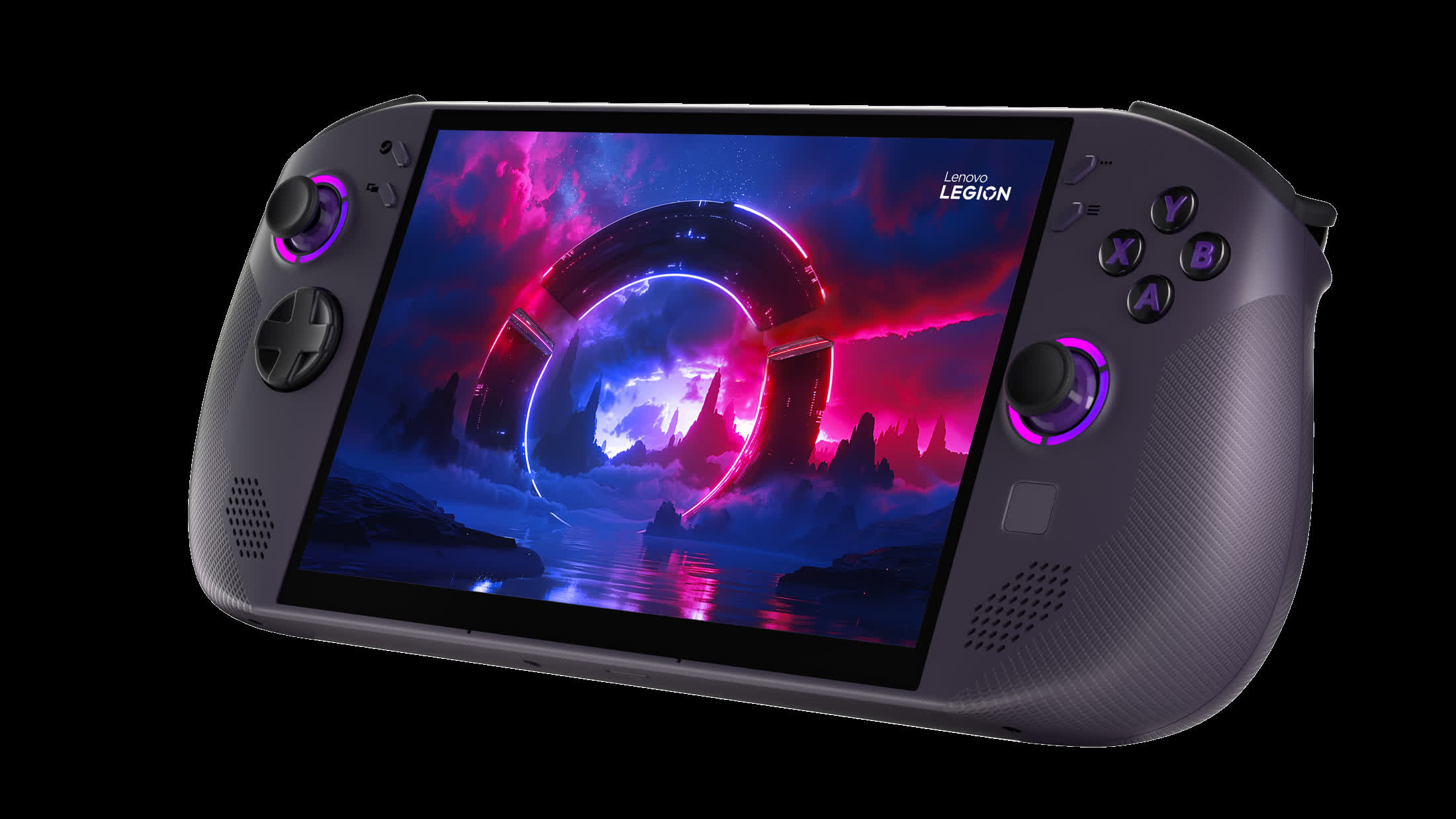
Starting in May, customers will be able to purchase Lenovo's newly announced Legion Go S handheld gaming PC with Valve's SteamOS operating system as an alternative to Windows. However, Valve has confirmed that it plans to release a SteamOS beta for other handhelds even earlier, likely in April.

While the Steam Deck's hardware may be slower than competing devices from Lenovo, Asus, MSI, and GPD in terms of raw performance, its operating system is arguably its greatest asset. Unlike Windows, which can feel cumbersome on small screens, SteamOS is designed specifically for controller-based interfaces and includes optimizations to improve performance.
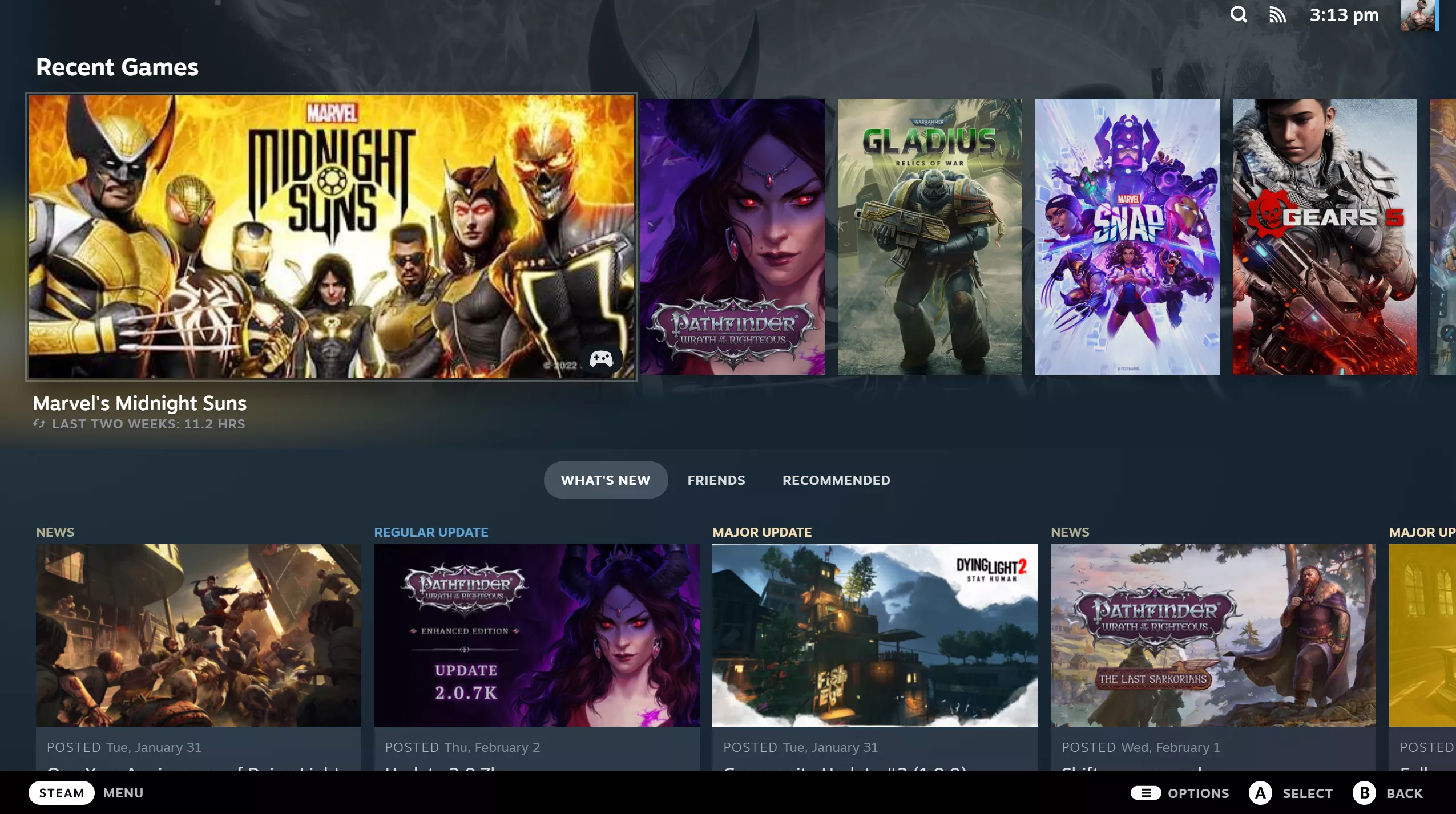
Valve plans to allow owners of other handhelds to download and test SteamOS sometime between March and May, before the Legion Go S begins shipping with it pre-installed. The download will feature the same software image used for the Steam Deck, ensuring users receive the same patches and pre-compiled shaders that Valve regularly releases for its flagship handheld.

Although other devices will have access to SteamOS before the Legion Go S launches, Lenovo's reduced pricing could make the handheld particularly attractive. The Windows 11 version of the Legion Go S will be available later this month starting at $729, with additional configurations arriving in May starting at $599. However, the Linux-based SteamOS edition will start at just $499, likely due to the lack of a Windows license.

So far, Valve has not disclosed plans for other manufacturers to pre-install SteamOS on their devices, but such a development seems inevitable. If more manufacturers begin offering SteamOS configurations at lower prices for handhelds or other gaming PC form factors, it could pose a serious challenge to Windows in this market.

Lenovo has positioned the Legion Go S as a smaller, more affordable variant of the handheld it released in 2023. This new model forgoes the detachable Switch-style controllers and makes minor concessions in display size, resolution, refresh rate, and performance. It features the Ryzen Z2 Go processor, which is likely based on AMD's mature Rembrandt architecture, with 12 RDNA 2 graphics cores.

For those seeking a higher-end option, the standard form factor will return later this year with the Lenovo Legion Go 2, featuring an OLED screen, 32GB of 7500MHz LPDDR5X RAM, and a Zen 5-based Ryzen Z2 Extreme APU with 16 RDNA 3.5 cores.

Permalink to story:

 
Steam always does software right, and this is a no-brainer. I foresee almost all future gaming handhelds shifting to use SteamOS and it will be an "oddity" if your handheld didn't run on it.
 
Steam always does software right, and this is a no-brainer. I foresee almost all future gaming handhelds shifting to use SteamOS and it will be an "oddity" if your handheld didn't run on it.
Agreed. The only thing that has me scratching my head is the question of whats in it for Valve? It seems a lot of work to effectively undercut the Steam Deck (the device). I'm aware of Gabe Newell's general dislike for MS and fear of them locking out Steam, but lets be honest W11 absolutely sucks on handhelds and is unlikely to ever get better, which helps the Steam Deck because having a semi-competent handheld UI is a valuable USP over other x86 handhelds. Sure more SteamOS devices means more gamers buying games off Steam, but it isn't like non-SteamOS x86 device users aren't getting their games off Steam anyway. It is a net positive for consumers, but it isn't clear how it helps Valve, and that makes me wary.
 
Agreed. The only thing that has me scratching my head is the question of whats in it for Valve? It seems a lot of work to effectively undercut the Steam Deck (the device). I'm aware of Gabe Newell's general dislike for MS and fear of them locking out Steam, but lets be honest W11 absolutely sucks on handhelds and is unlikely to ever get better, which helps the Steam Deck because having a semi-competent handheld UI is a valuable USP over other x86 handhelds. Sure more SteamOS devices means more gamers buying games off Steam, but it isn't like non-SteamOS x86 device users aren't getting their games off Steam anyway. It is a net positive for consumers, but it isn't clear how it helps Valve, and that makes me wary.
Keeps people within the handheld ecosystem, and this way there is way more chance for them to be buying games off of steam if the whole experience is centered around that, now without having to also have the steam deck
 
Agreed. The only thing that has me scratching my head is the question of whats in it for Valve? It seems a lot of work to effectively undercut the Steam Deck (the device). I'm aware of Gabe Newell's general dislike for MS and fear of them locking out Steam, but lets be honest W11 absolutely sucks on handhelds and is unlikely to ever get better, which helps the Steam Deck because having a semi-competent handheld UI is a valuable USP over other x86 handhelds. Sure more SteamOS devices means more gamers buying games off Steam, but it isn't like non-SteamOS x86 device users aren't getting their games off Steam anyway. It is a net positive for consumers, but it isn't clear how it helps Valve, and that makes me wary.
Valve isn't publicly owned, they have no fiduciary duty to shareholders to make green line go up. They can do something just because they want to.
 
Last edited:
Valve isn't publicly owned, they have no fiduciary duty to shareholders to make green line go up. They can do something just because they want to.
Dittto above and back when Steam put forward the Steam Machines it was other OEMs that built the hardware so not exactly brand new territory for them (I still own a Steam controller - the shape fits my hands better than Xbox controllers).
 
It will be interesting to see a side-by-side comparison of Win vs SteamOS on the same hardware to see if there is a performance difference.

Or has someone already done this on the deck?
 
While this is a step in the right direction I was kind of hoping Valve would have a bigger announcement where they can actually convince game publishers of cooperating with them so games with anticheat which is most of the games with an online component (Which in turn, is basically the most played games) actually work seamlessly and from the get go on SteamOS.

Because for the average person buying either new Legion Go, they might be kinda angry to find out the 100 bucks they saved for the device for their kid is precisely keeping them from playing the few games they actually wanted to play like Fortnite.
 
While this is a step in the right direction I was kind of hoping Valve would have a bigger announcement where they can actually convince game publishers of cooperating with them so games with anticheat which is most of the games with an online component (Which in turn, is basically the most played games) actually work seamlessly and from the get go on SteamOS.

Because for the average person buying either new Legion Go, they might be kinda angry to find out the 100 bucks they saved for the device for their kid is precisely keeping them from playing the few games they actually wanted to play like Fortnite.
Microsoft's jiggery pokery (to make it look like they are being responsible and definitely care about security after getting dragged innwith the Crowdstrike fiasco) with kernel mode drivers and all that jazz (and how they want it to stop being a thing) might make kernel level anti cheat anyway, and besides its steam focused enough that you either solely play steam games or are knowledgeable enough on how to run games from other launchers vs lutris, bottles et al. (other windows game / program management things are available)
 
SteamDeck was pretty competitive if you only look at 15w performance. This will soon change with these newer devices.

I really think 15w is the sweet spot, but having the ability to do 25-45w is nice. Especially if docked.
 
Agreed. The only thing that has me scratching my head is the question of whats in it for Valve? It seems a lot of work to effectively undercut the Steam Deck (the device). I'm aware of Gabe Newell's general dislike for MS and fear of them locking out Steam, but lets be honest W11 absolutely sucks on handhelds and is unlikely to ever get better, which helps the Steam Deck because having a semi-competent handheld UI is a valuable USP over other x86 handhelds. Sure more SteamOS devices means more gamers buying games off Steam, but it isn't like non-SteamOS x86 device users aren't getting their games off Steam anyway. It is a net positive for consumers, but it isn't clear how it helps Valve, and that makes me wary.
It may not add much in the way of Steam gamers, but if you're running SteamOS on your device, there's likely zero chance you'll be buying games from MS. If you're running Win11, there is at least an option to buy the game from MS instead of Steam. That goes away if you're running SteamOS, which is nearly guaranteed to run better than Win11 and gives Steam massive incentive to maintain it well. This still kicks MS in the nads.
 
Back