Editor's take: In our ongoing exploration of the business of selling compute systems, we found that there is a giant blind spot in how the sales process actually works. Sales support engineers, sometimes also called Field Application Engineers, can be an incredibly valuable resource for any company selling technical products. Unfortunately, many companies fail to fully appreciate their importance.

Picture this: A chip vendor has a shiny AI accelerator, but how do they actually get that into the hands of their shiny hyperscaler customer? A key part of that process is the Sales Engineer. These people go by many titles – Field Solutions Engineer or Sales Support Engineer, but we have always known them as Field Application Engineers (FAE).
These are engineers deeply immersed in the intricacies and configurations of the chips their company sells. They do not design the chip but help customers make the most of those chips.
Editor's Note:
Guest author Jonathan Goldberg is the founder of D2D Advisory, a multi-functional consulting firm. Jonathan has developed growth strategies and alliances for companies in the mobile, networking, gaming, and software industries.
Getting a new chip to work is always a challenge for a customer. Spend some time building a PC, and the problem becomes obvious very quickly. Now subtract a common firmware system and 1,000 how-to YouTube videos to walk through every bug, and multiply the complexity by a few orders of magnitude.
The role of Field Application Engineers is to solve those problems – to provide software tools, configurations, and bug fixes that get systems up and running. Longer-term, they help customers design methods for scaling those chips into complete systems and then racks and rows of compute. This is an invaluable resource to customers and can make the difference between a busted demo and a committed purchase order.
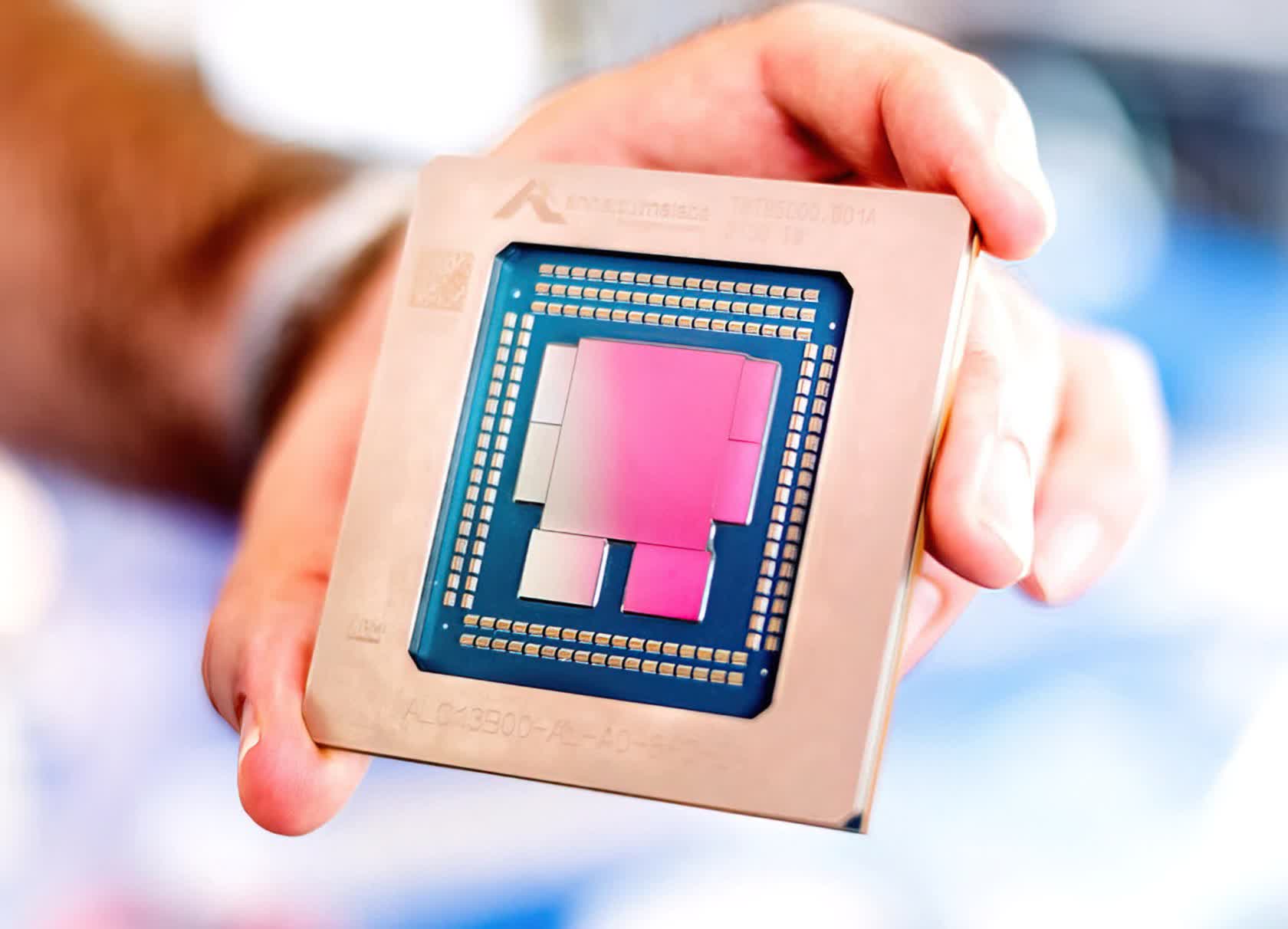
Today, every hyperscaler hardware team is bombarded by literally dozens of AI chip solutions. Everyone on the team has a friend, cousin, or former roommate pitching them on some new chip. As such, these teams are loathe to let another salesperson in the door. They do not need any more PowerPoint presentations showing all the ways some chip is 30% more power efficient or 10x better on some random benchmark.
But a knowledgeable FAE who can solve actual problems is always welcome. The biggest value the FAE can bring a chip company is the fact they will always be welcome for customer visits.
To say this value is not always appreciated is a major understatement. Few outsiders are even aware of the role. More problematic is that most chip companies do not fully value FAEs or really understand their role.
A big part of the problem is that FAEs do not fit neatly into company org charts. There is considerable conflict within organizations. Every engineering team is chronically short-staffed, so it is painful to see talented engineers "wasted" on sales.
In fairness, organizing an effective sales support team is a complicated balance. For an FAE to be effective, they need to understand the inner workings of the chip almost as well as the engineers who design the chip. The only way to achieve that is for the design engineers to spend time educating the FAEs (or at least closely document their work for later reference). That, of course, takes time away from them actually designing the chip.

There is no easy way around this trade-off, and management teams just need to make the strategic calculation around FAEs' value. On the other hand, FAEs need to be motivated to direct their efforts in the right direction. Often FAEs end up getting pulled in every direction at once. Here, at least, there is a solution – FAEs need to participate in sales quotas and share in commissions. For what it's worth, this is often a great career move for FAEs, positioning them to move into sales, into engineering, or often a move to the customer.
We have recently been doing a lot of work around this area and on this role. While few companies have perfected it, the good news is that there is significant flexibility in how it can be approached. There may not be a single perfect way to structure this role, but companies have ample opportunity to develop a model that works best for their specific needs.
The unsung heroes of chip sales: field application engineers


