TL;DR: The US government is taking a more hands-on role in shaping the future of quantum computing, committing billions of dollars in funding while also taking ownership stakes across a group of emerging and established players. The Commerce Department said it plans to distribute about $2 billion to nine quantum computing companies, structuring the deals to include minority equity positions. The move reflects how Washington is approaching early-stage technologies that are still years away from full commercialization but carry significant long-term implications.

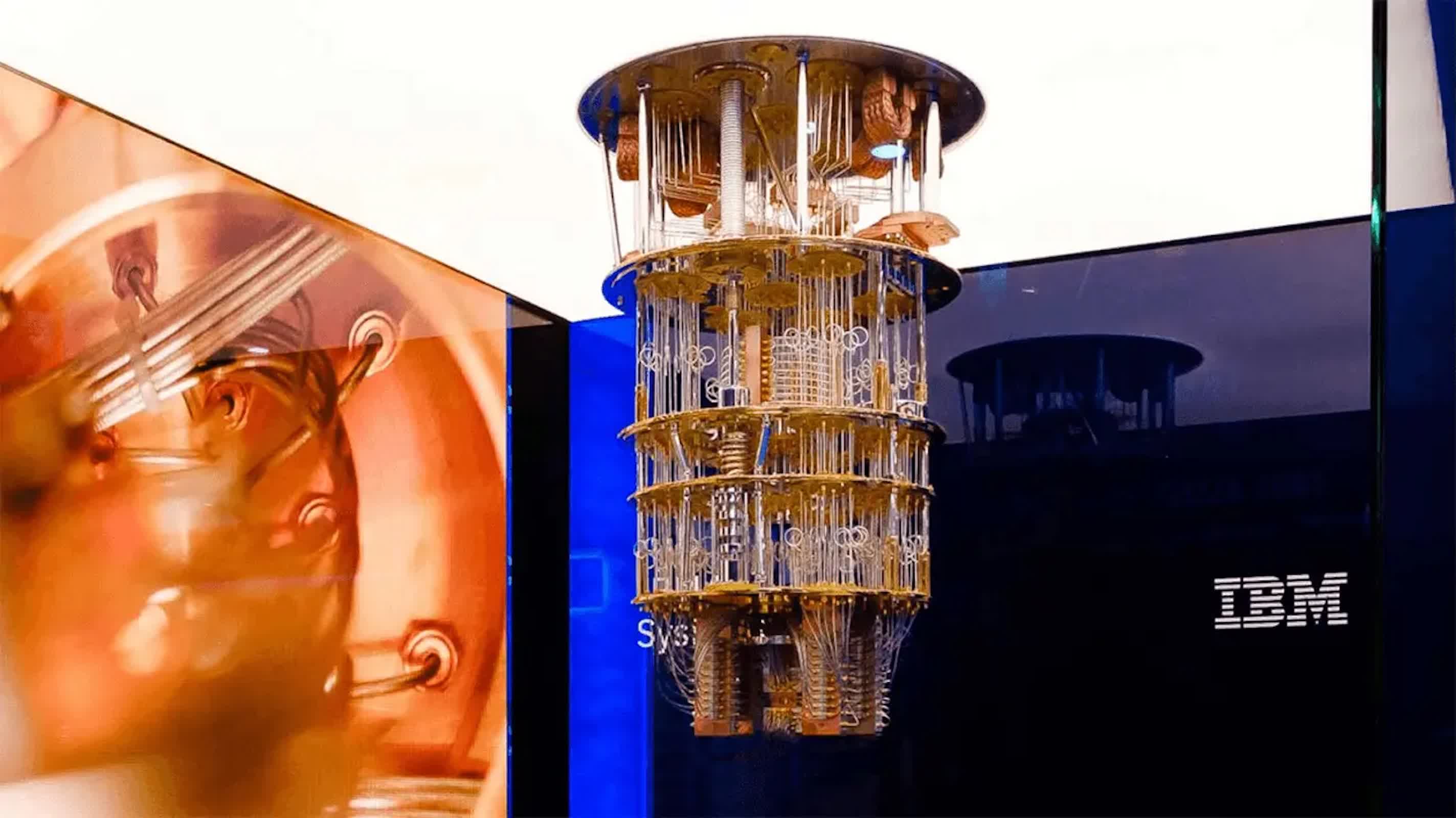
IBM is set to receive the largest share of the funding, with $1 billion allocated to the company. Long seen as a frontrunner in quantum development, IBM has been building out both hardware and software systems designed to handle quantum workloads. As part of the agreement, the company will invest an additional $1 billion of its own capital to establish what it calls the nation's first dedicated quantum chip manufacturing facility. The effort will be housed within a newly formed business unit focused specifically on quantum production.
Quantum systems work differently than traditional computers, relying on the behavior of subatomic particles to process information. That approach opens the door to solving certain classes of problems far more efficiently than classical machines, particularly in areas like molecular modeling, optimization, and cryptography. IBM CEO Arvind Krishna said recent protein simulations run on its quantum systems point to early practical use cases, especially in drug discovery.
Krishna compared the current moment in quantum computing to where AI chips stood roughly a decade ago. The slate of deals "is a great statement of confidence that this industry is right around the corner within a couple of years," Krishna told The Wall Street Journal.
The funding is not concentrated on a single technical approach. Instead, the government is spreading investments across companies working on different quantum architectures. GlobalFoundries, for example, will receive $375 million and provide the government with roughly a 1% stake. The semiconductor manufacturer is also launching a new business line dedicated to quantum technologies.
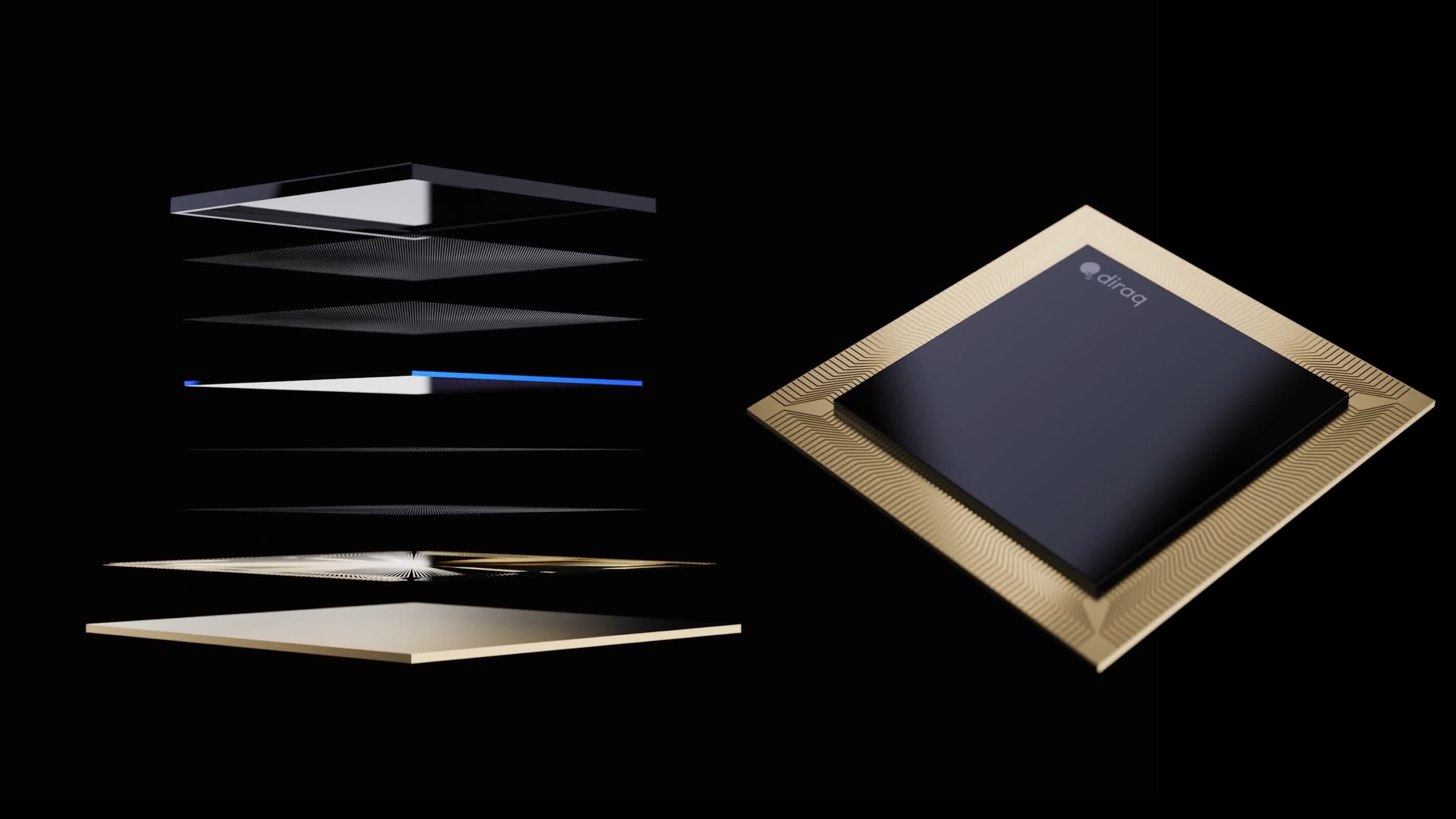
Other recipients include D-Wave Quantum, Rigetti Computing, and Infleqtion, each pursuing distinct methods for building quantum systems. D-Wave focuses on quantum annealing, while Rigetti develops superconducting qubits and Infleqtion works with neutral atom platforms. Most of these companies are expected to receive around $100 million, while startup Diraq is slated for $38 million.
Several of the firms indicated that the government's contribution will come entirely or primarily in the form of equity. D-Wave said its $100 million award would be fully equity-based, and both Rigetti and Infleqtion described similar arrangements.
The funding comes from the 2022 Chips and Science Act, though the inclusion of equity stakes marks a departure from more traditional government support models. Commerce Secretary Howard Lutnick has been pushing for deeper federal involvement in strategic industries, including taking a nearly 10% stake in Intel earlier this year.
By investing across multiple companies and technical approaches, the government is effectively hedging its bets in a field where timelines remain uncertain. A senior Commerce Department official said the agency spread its investments across multiple deals, acknowledging that returns could take years to materialize.
Not everyone is convinced the strategy will pay off. Some analysts argue that quantum computing is still too experimental to justify direct government ownership. "Everybody is excited about quantum because it is the next big thing," said Dana Goward, president of the Resilient Navigation and Timing Foundation. "A lot of the expectations and hopes have yet to be realized." At the same time, researchers continue to explore potential applications, including systems that could eventually serve as alternatives to GPS.
Quantum executives say progress is accelerating. Improvements in chip design, qubit performance, and error correction are gradually addressing some of the field's biggest technical hurdles. Increased funding is also helping shorten development timelines, particularly as more specialized manufacturing capabilities are built out.
Additional companies expected to receive funding include Atom Computing, PsiQuantum, and Quantinuum. PsiQuantum raised $1 billion last year from investors including 1789 Capital, a venture firm in which Donald Trump Jr. is a partner.
The deals have not yet been finalized, but they point to a more direct alignment between government policy and the technical direction of quantum computing. Whether that approach will produce commercially viable systems is unclear, but the level of investment suggests the US is not willing to wait to find out.


