Highly anticipated: For more than two centuries, the basic design of corrective lenses has evolved only incrementally. From Benjamin Franklin's bifocals in the 18th century to varifocal lenses in the 1960s, consumers have relied on mechanical optics to balance near and distance vision. A Finnish startup believes it's time for a digital update.
IXI Eyewear – backed by more than $40 million in funding, including investment from Amazon – is preparing to launch a pair of glasses that automatically adjust focus in real time. The company's goal is simple: to make eyewear that behaves like the human eye once did, before age or strain made fixed-focus correction necessary.
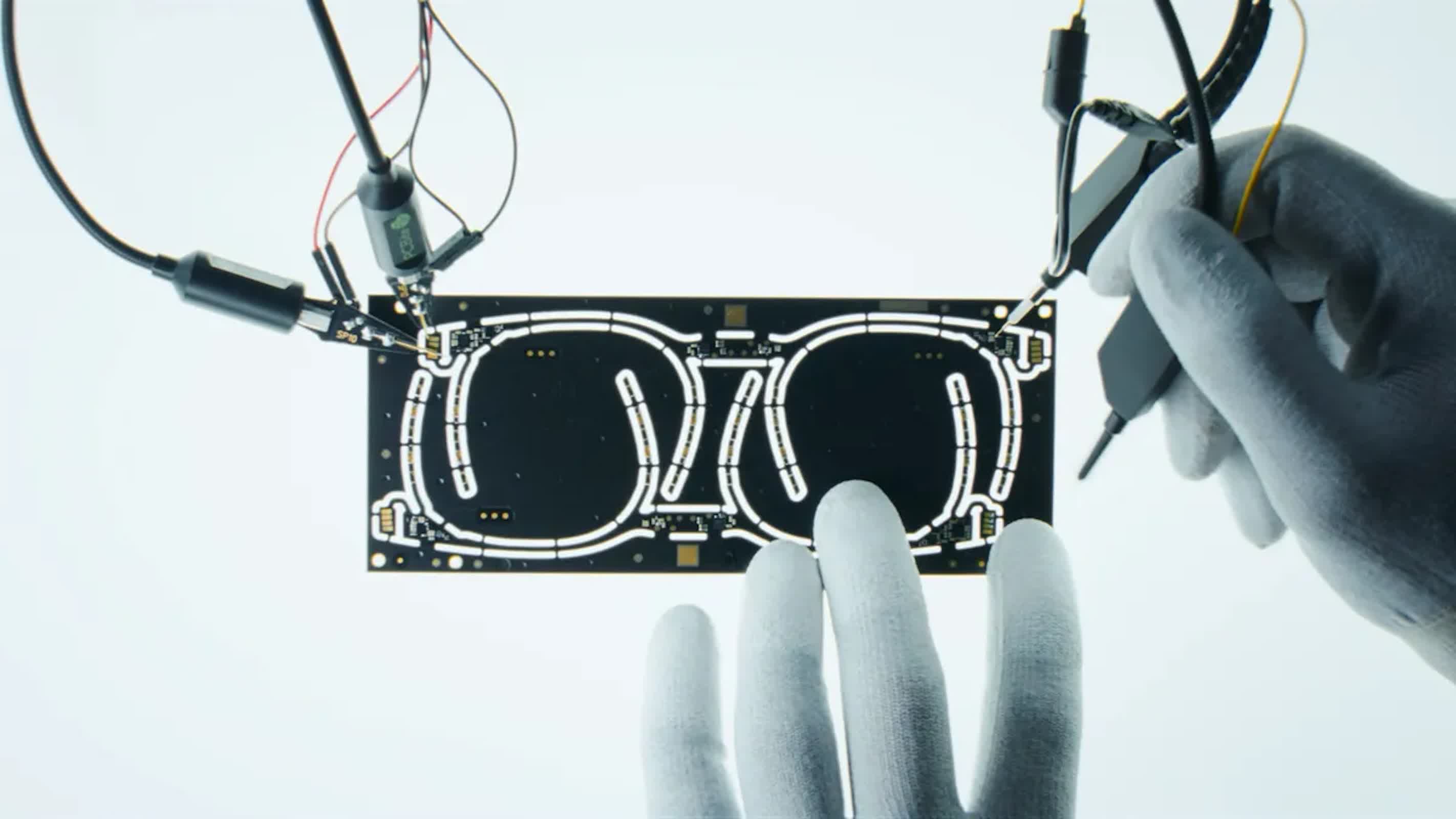
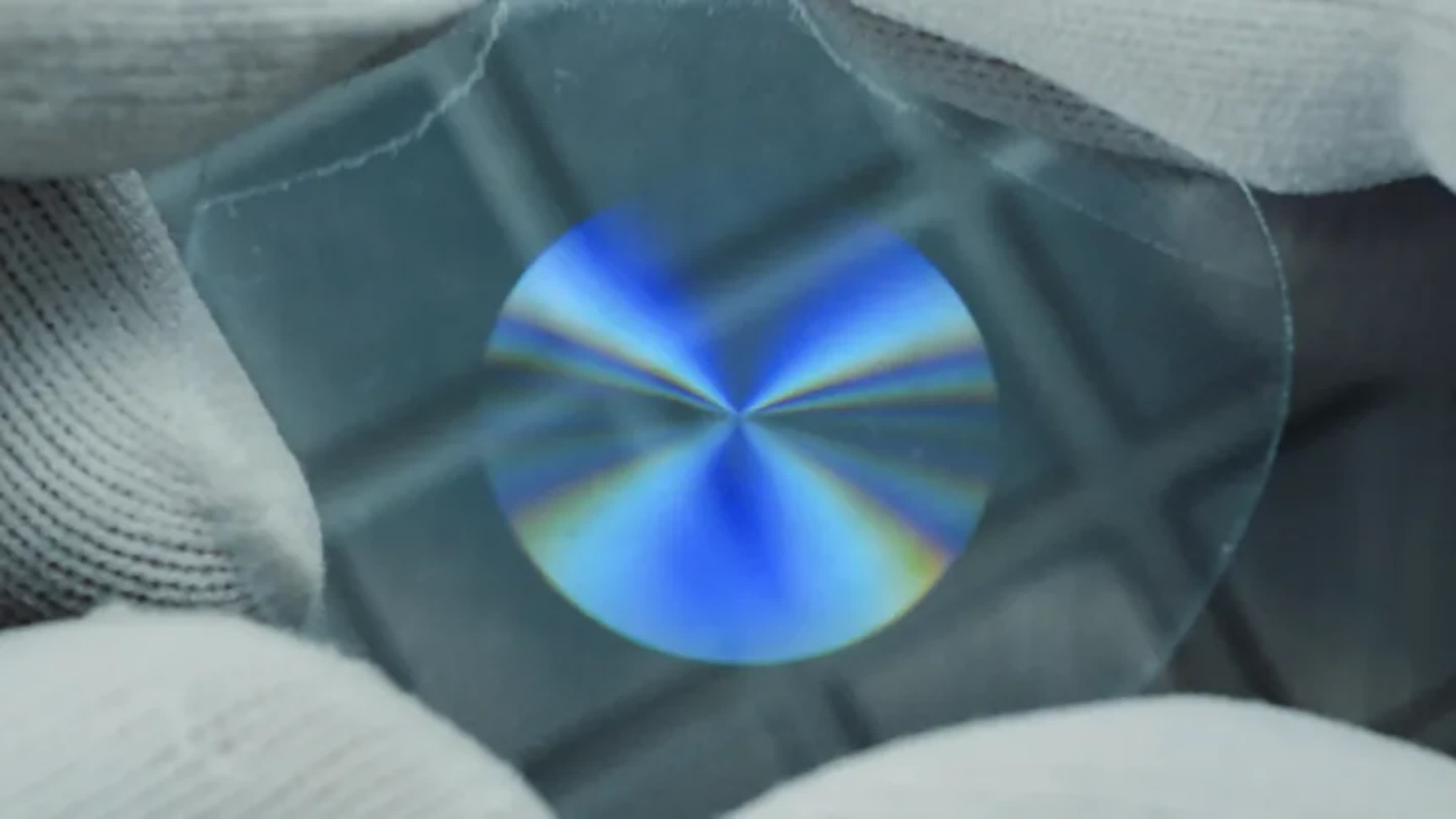
IXI's lenses use liquid crystals that are driven in real time by a dense array of eye-tracking sensors. These sensors include photodiodes and LEDs that emit invisible infrared light, detecting subtle reflections from the eyes to determine what the wearer is looking at. The lenses then alter their curvature electronically by changing the orientation of the crystals, creating a new prescription on demand.
IXI CEO Niko Eiden described the company's approach as an evolution beyond traditional optics. "Modern varifocals have this narrow viewing channel because they're mixing basically three different lenses," Eiden told CNN. "There is far sight, intermediate, and short distance, and you can't seamlessly blend these lenses. So, there are areas of distortion, the sides of the lenses are quite useless for the user, and then you really have to manage which part of this viewing channel you're looking at."
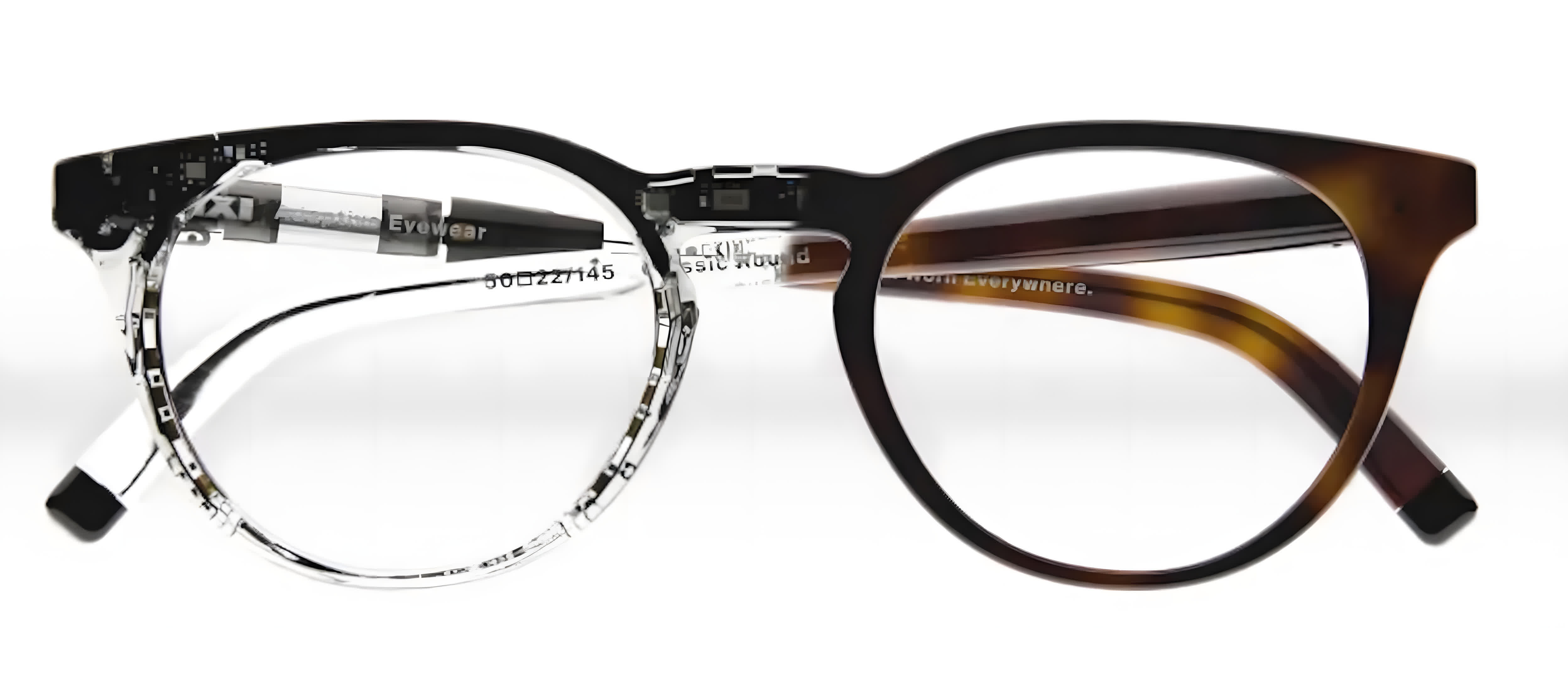
Traditional bifocals divide vision into distinct zones – long-distance on top, reading at the bottom – while progressive lenses smooth the transition but often introduce peripheral distortion and require an adjustment period. IXI's glasses replace fixed focal zones with continuous adjustment. The autofocus mechanism, embedded invisibly within the frame, is designed to ensure sharp vision whether the wearer is reading a menu or driving.
Eiden said the adaptive design also frees up more usable lens area. "For seeing far, the difference is really striking, because with varifocals you have to look at the top part of the lens in order to see far. With ours, you have the full lens area to see far – as you were used to when you were slightly younger."
According to IXI, prototypes weigh just 22 grams – roughly the same as conventional frames – and feature a magnetic charging port hidden in the temple. The glasses require overnight charging, but the electronics and battery are said to have minimal effect on appearance.
The technology is not entirely without its trade-offs. "In our lens, of course, there is this blend area," Eiden explained. "The center part is the sharp area, and then there is the edge where the liquid crystal stops and which is not that great to look into, but the center area is large enough that you can use that for reading. So, we do have our own distortions that we're introducing, but the majority of the time, they will not be visible."
Eiden also noted safety measures for potential device failures. The system includes a failsafe mode that returns lenses to a base optical state – typically distance vision – if the electronics stop functioning. IXI still needs to conduct additional testing before confirming whether the glasses are safe to use while driving.
The company employs 75 people in Finland and plans to begin manufacturing in the country. The first launch will take place in Europe, pending regulatory approval, followed by a US release once IXI secures FDA clearance. Eiden said the glasses will debut in only "two or three" basic frame shapes available in different widths.
Although pricing has not been disclosed, IXI is positioning its product at the premium end of the market.
IXI is one of several companies racing to commercialize adaptive optics. In Japan, startups Elcyo and ViXion have developed liquid-crystal lenses that shift focus automatically. ViXion's existing model requires users to look through small apertures to achieve the autofocusing effect, while Elcyo's design more closely resembles standard eyewear but is still in development.
Academic research into adaptive lenses stretches back years. A team at Stanford University previously demonstrated "autofocal" glasses that use similar principles of depth sensing and real-time optical adjustment. Meenal Agarwal, an optometrist and podcaster based in Ontario, said the concept of variable-focus eyewear is scientifically sound but technically demanding.
"The engineering has to be reliable to have lenses shift focus fast, accurately, and invisibly without any lag or blurring," she told CNET. "Battery life and power might [make it difficult] to keep the glasses lightweight and powered all day. Packing optics, sensors, and computing into frames that look and feel like normal glasses is likely a challenge, not to mention medical and regulatory approvals."
These smart glasses that refocus instantly could make bifocals obsolete


