First look: Itera, a newly unveiled deep tech startup, is betting it can remove one of hardware engineering's biggest bottlenecks: how long it takes to change a circuit. The company has developed what it calls a "fluid circuit board," a system that allows engineers to reconfigure physical circuit paths on demand rather than fabricating a new board for every design change.
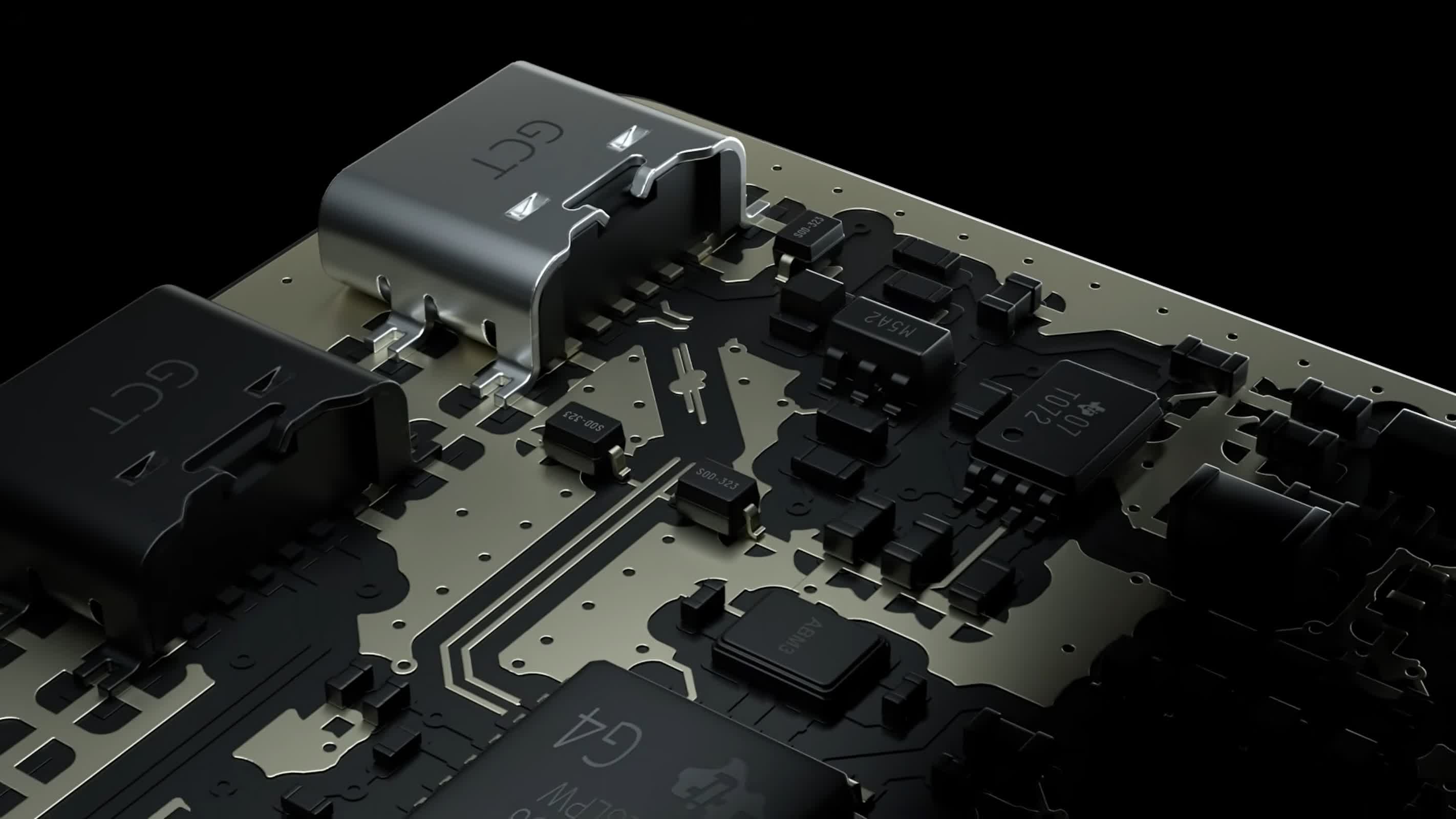
In an email to Tom's Hardware, Itera described the underlying approach as a form of electrowetting, where electric fields are used to precisely move liquid metal alloys across a glass substrate. Instead of relying on fixed copper traces, the system dynamically forms connections by shifting conductive liquid, effectively redrawing the circuit in place.
That capability goes after a familiar pain point in electronics development. Traditional PCB iteration is slow and expensive, requiring fabrication, assembly, and testing cycles that can stretch across days or weeks. Itera's system aims to compress that loop dramatically by allowing engineers to modify a design and see it implemented on real hardware almost immediately.
"Software developers have been able to write code, test, and iterate in real time for decades. Itera makes real-time design and iteration possible for hardware too," said AJ Cooper, CEO and co-founder of Itera. "Hardware has always been hard because it is permanent. Changing it requires time and money. Itera is making hardware easy. For the first time ever, an engineer can change a circuit and test it again before their coffee gets cold."
At a technical level, the platform replaces static PCB traces with reconfigurable liquid metal interconnects embedded in a multilayer glass structure. Engineers update a design digitally, and the system responds by rerouting those liquid pathways to match the new layout. The company says this process can be completed "in less than a minute," while relying on physical components that behave like real hardware, not just simulations.
That last point is central to Itera's pitch. Simulation tools have improved, but they still fall short in areas like high-frequency design, signal integrity, and analog behavior. By keeping actual components in the loop, Itera is trying to give engineers immediate, real-world feedback without the delay of manufacturing a new board.
The company is not pitching the technology as an off-the-shelf product; instead, it currently offers it as an Electronics-as-a-Service platform. Customer designs are built and tested on Itera's systems at secure US-based facilities. When a design changes, the platform updates the routing and reassembles the components accordingly.
As the company explained in its email, "when an engineer modifies their design, Itera reconfigures the liquid metal traces to match the new routing, and real components are assembled on the reprogrammable substrate."
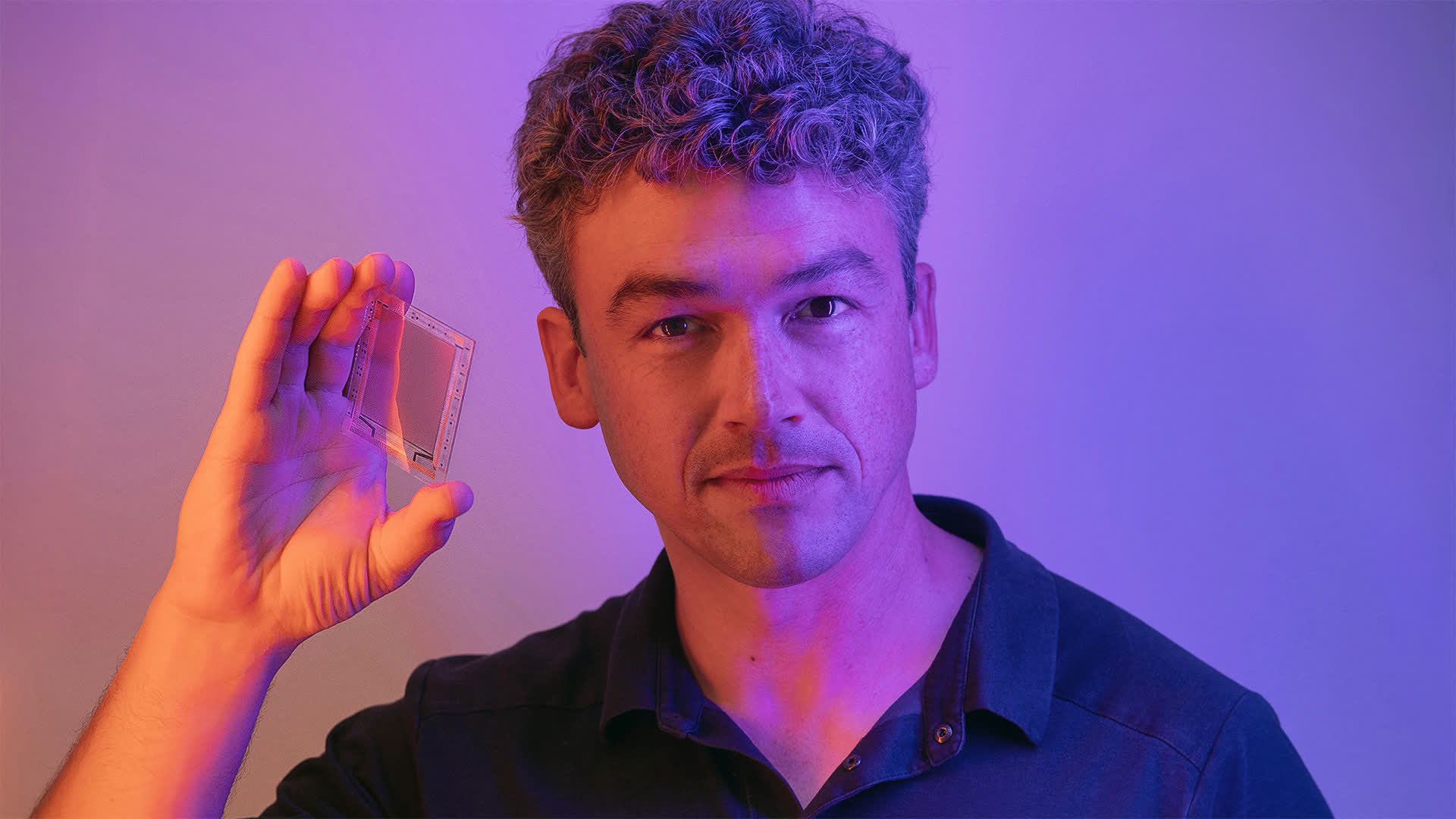
Itera argues that this approach can significantly reduce both development time and cost, particularly for complex systems where multiple prototype spins are the norm. Eliminating repeated fabrication runs could streamline workflows in industries that depend on rapid iteration but are constrained by hardware lead times.
Investors appear to see potential in that model. The company disclosed $12 million in seed funding from Upfront Ventures, Costanoa Ventures, and Colle Capital as it emerged from stealth. It also said its initial production capacity has already been reserved by "a top 5 global automotive OEM and defense neoprimes," and pointed to additional interest from "a leading hyperscaler and multiple chipset manufacturers."
There are still open questions about how well this kind of system scales outside controlled environments, especially given the challenges that come with liquid metal handling and long-term reliability. But the core idea is straightforward: turn hardware development into something closer to software, with continuous rather than staged iteration.
If Itera can deliver on that, it would mark a meaningful shift in how circuits are designed and tested, especially in fields where time-to-market and rapid experimentation are critical.
This startup has raised $12 million to make liquid-metal circuit boards rewritable


