The big picture: A deal over the ownership of TikTok is emerging as the centerpiece of tense negotiations between Washington and Beijing, with US officials announcing a tentative framework to shift the popular social media app into American-controlled hands. The move represents one of the most significant recent developments in the broader economic standoff between the world's two largest economies
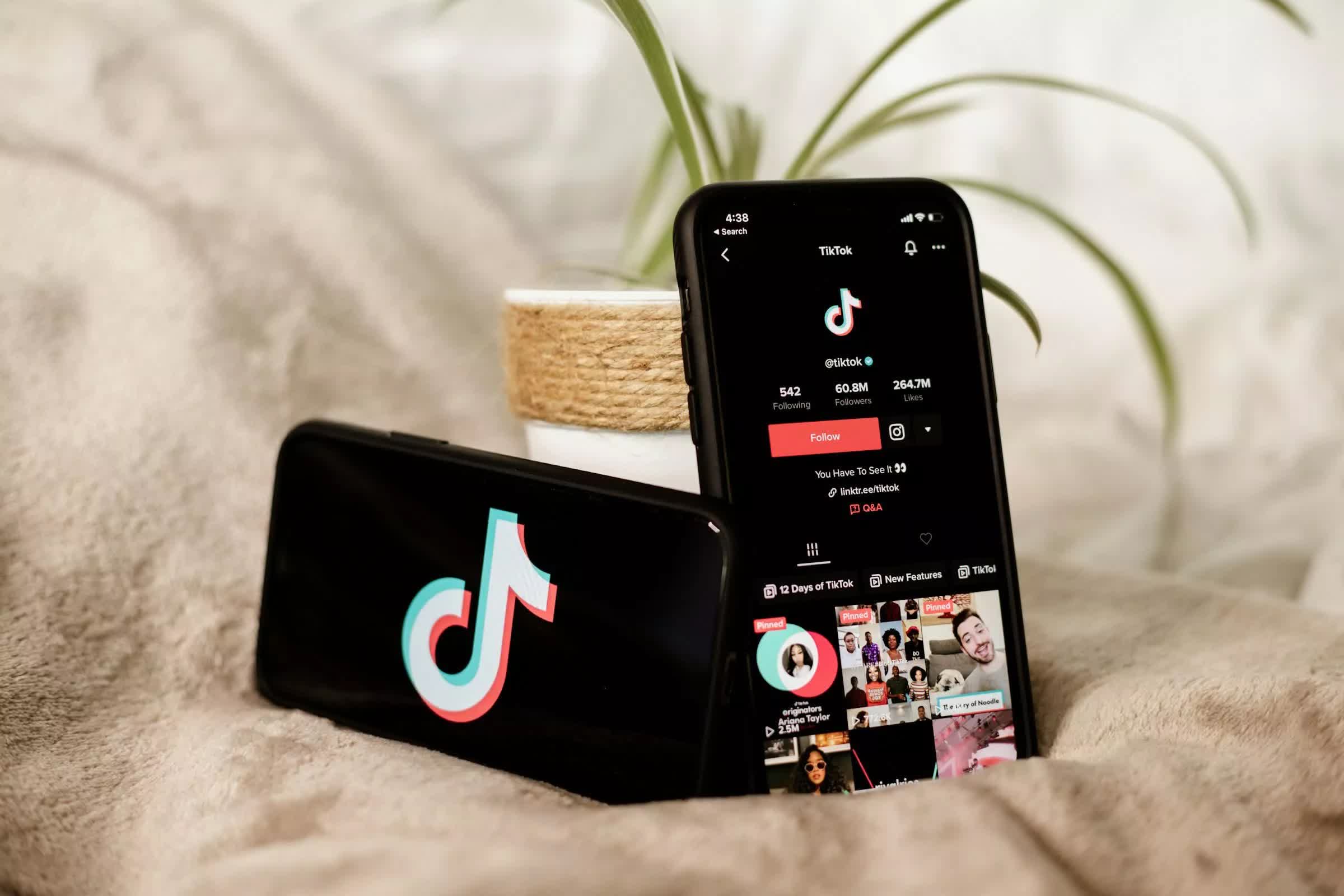
Treasury Secretary Scott Bessent emphasized that these discussions were just a step, with further negotiations scheduled to continue at a different location within a month. While the fragile agreement on TikTok may provide temporary relief from confrontation, the broader trade disputes between Washington and Beijing remain unresolved.
After two days of closed-door discussions in Madrid, Bessent said both sides had reached a "framework" that would involve TikTok being divested from its Chinese parent company, ByteDance. The plan, which President Trump and China's top leader, Xi Jinping, are expected to review during a call on Friday, would transfer ownership of the platform to US control.
"This is an agreement between two private parties," Bessent said, signaling that the final shape of the deal will depend on direct approval at the highest political level. He described China's demands on TikTok as "very aggressive," reflecting Beijing's resistance to relinquishing control of the platform.
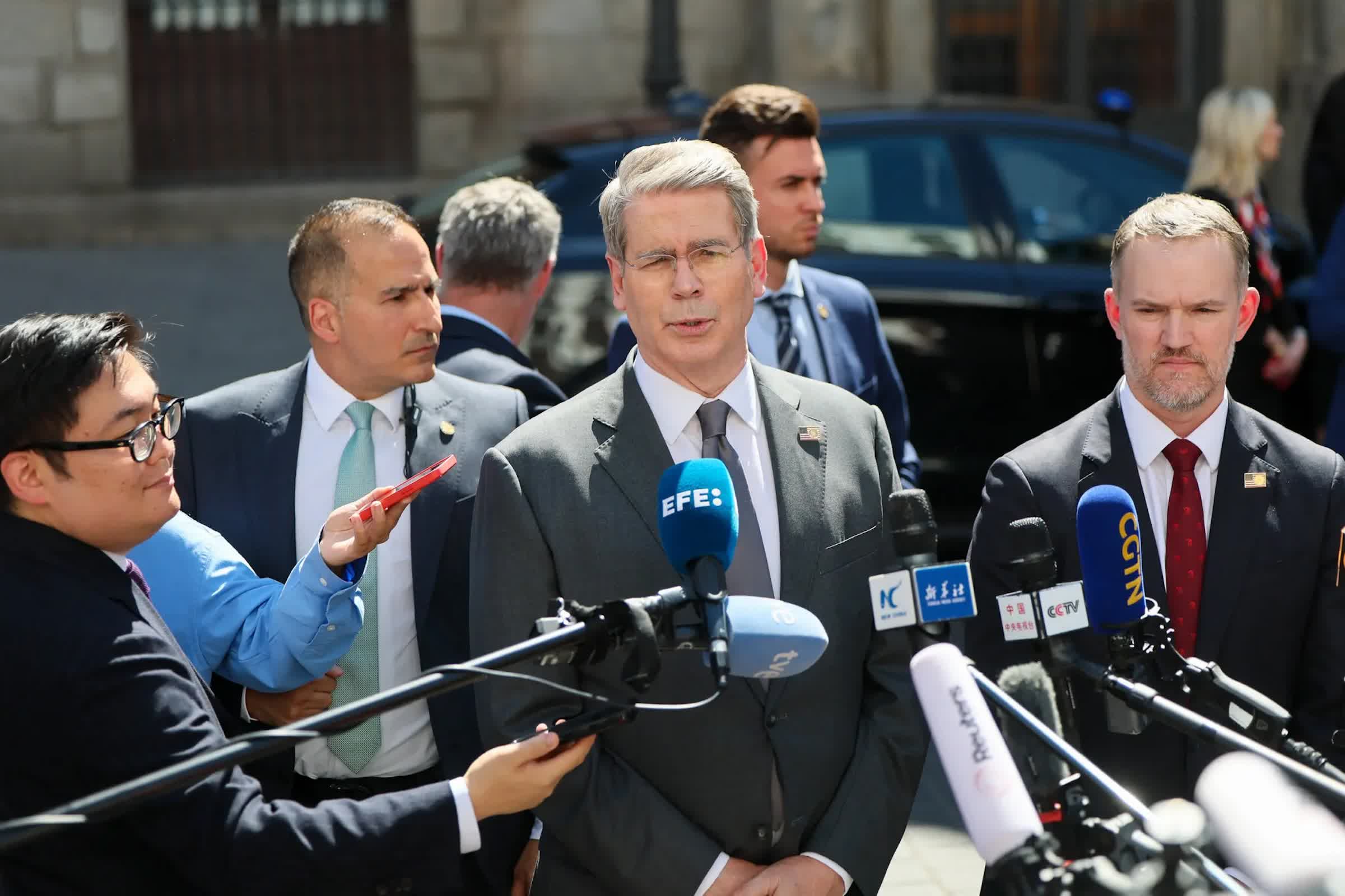
Treasury Secretary Scott Bessent, center, and Jamieson Greer, the US trade representative, far right.
Leading the talks for the US were Bessent and US Trade Representative Jamieson Greer, alongside China's Vice Premier for Economic Policy, He Lifeng. This marked the fourth round of discussions, which covered not only TikTok but also trade tariffs and other contentious economic issues.
The urgency behind the negotiations stems from a law Congress passed last year requiring TikTok to sever ties with its Chinese ownership or face a nationwide ban, citing national security concerns. President Trump set a Wednesday deadline for enforcement, but repeated delays have cast uncertainty over whether it will be met. He has already postponed action three times and has asserted that he has the authority to suspend the ban altogether.
Although TikTok dominated this round of talks, trade remains an unresolved source of tension. Greer noted that China's export controls on rare earth minerals and magnets were raised during the discussions and would likely become a central issue in the next session, expected to take place within a month.
The ongoing tariff battle has weighed on both economies. In April, Trump imposed tariffs as high as 145 percent on Chinese imports, effectively choking bilateral trade before later reducing them to 30 percent. China retaliated with 10 percent tariffs on US goods. Both sides agreed to a temporary pause on further tariff hikes, but that truce is set to expire in November.
Technology issues are further straining ties. Late last week, the US Commerce Department added several Chinese chip firms to a trade blacklist, escalating restrictions on Beijing's tech sector. In response, China announced on Saturday that it would investigate certain US-made microchips. By Monday, Chinese regulators accused Nvidia of violating antitrust laws.
Whether the preliminary TikTok deal holds will depend on an upcoming conversation between Trump and Xi later this week. If approved, the framework could remove one obstacle in a relationship otherwise clouded by tariffs, technology restrictions, and an intensifying competition for global influence.
Image credit: The New York Times
US and China reach tentative framework for TikTok ownership deal


