
Why it matters: Drones have become one of the most important elements of modern warfare, which is why finding effective ways of disabling them is so important. US defense technology firm Epirus has developed a countermeasure that could interest a lot of nations: a high-powered microwave (HPM) weapon that recently demonstrated how it can down 49 drones with a single blast.
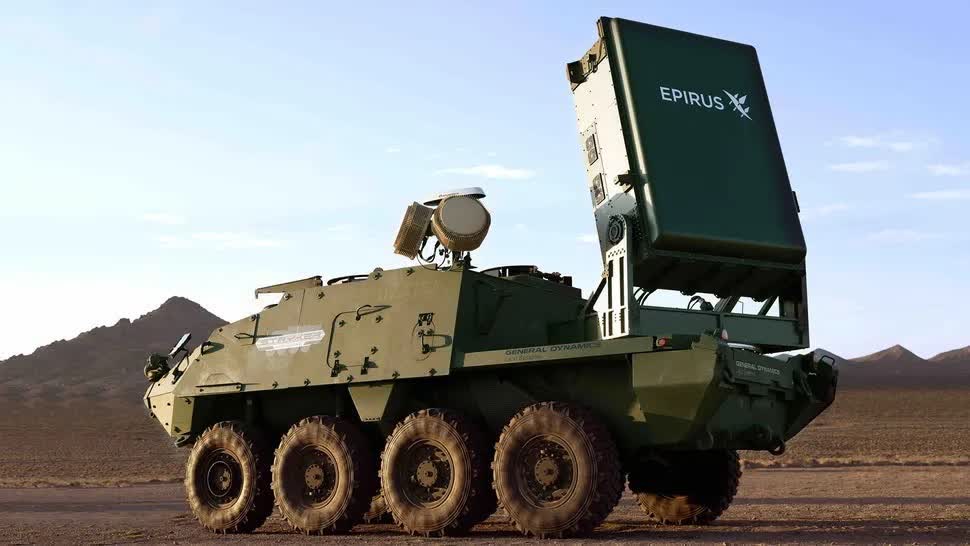
Epirus recently demonstrated a live-fire trial of Leonidas in Indiana, attended by representatives from the US Department of Defense and other US government agencies, alongside nine allied countries.
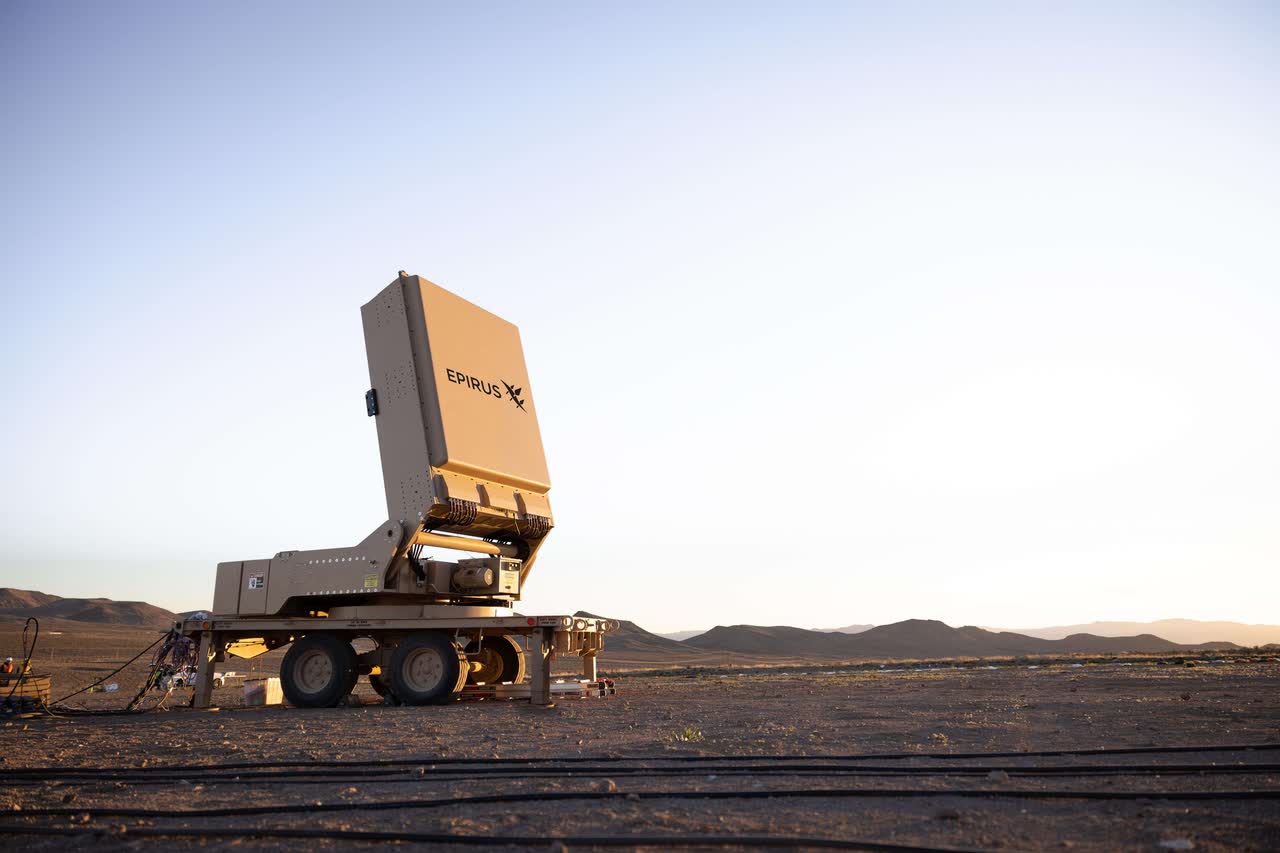
During the demo, Leonidas successfully disabled all 61 drones taking part. The headline feat was taking down a 49-drone swarm with a single shot.
Andy Lowery, Epirus' CEO, said the demo was a "watershed" moment for the company. He called Leonidas the only mission-capable, counter-swarm solution for the "one-to-many fight."
Because of how cheaply they can be procured, huge numbers of drones are being used in warfare and for reconnaissance. Leonidas' bursts of electromagnetic energy are designed to disable or destroy the electronics inside hostile drones, including swarms.
The latest second-generation of Leonidas introduces gallium nitride semiconductors. This enables a more compact, reliable, and scalable system compared to legacy microwave weapons that relied on bulkier magnetron tubes.
Leonidas' software-defined architecture allows operators to adjust waveforms on the fly, tailoring effects to different targets and minimizing risks to nearby friendly systems. The modular build also means the weapon can be deployed in multiple configurations, from vehicle-mounted platforms to fixed-site defenses.
Epirus has also developed specialized versions of the weapon, such as Leonidas Expeditionary, optimized for rapid deployment by ground forces, and Leonidas H2O, designed for maritime operations capable of disabling small boat motors.
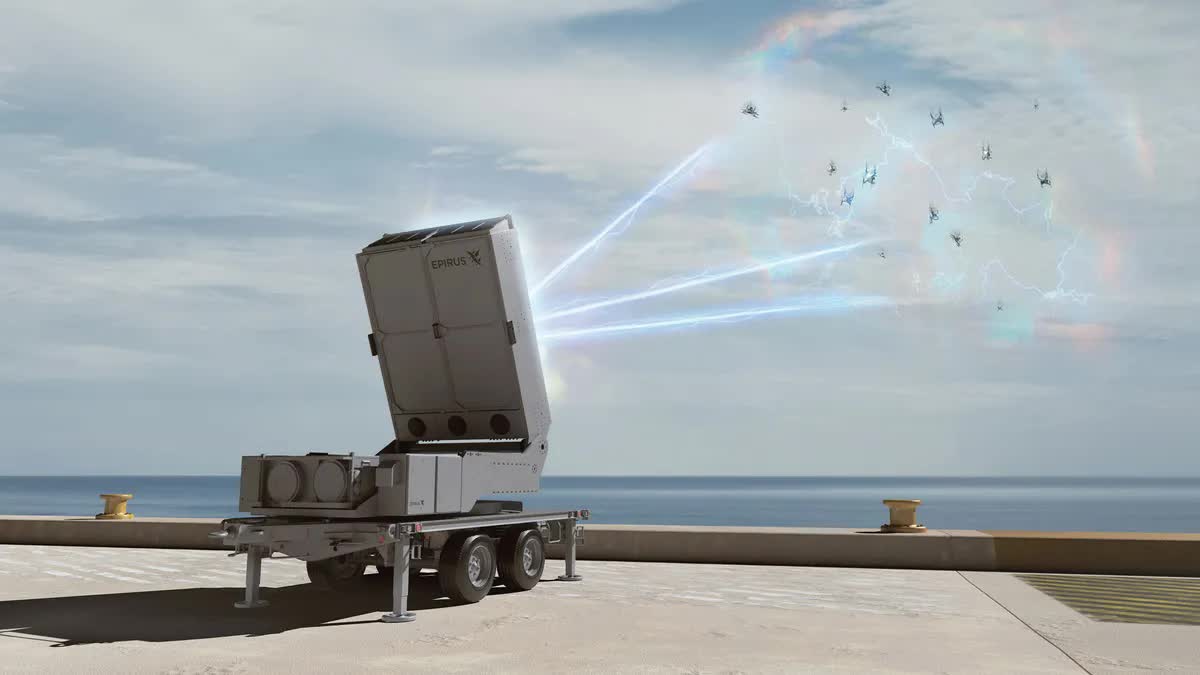
Leonidas also offers significant tactical and economic advantages. It features an effectively unlimited magazine as long as a power source is available, dramatically reducing the cost per engagement compared to kinetic interceptors. However, like all directed-energy weapons, it faces challenges such as power demands, range limitations, and the potential for collateral disruption of nearby electronics.

The latest Leonidas weapon comes at a time when AI-powered drone swarms move closer to frontline deployment. Able to fly and fight as one coordinated force, these drones could overwhelm traditional air defenses, which is why HPM weapons are becoming increasingly important.
US-made Leonidas microwave weapon takes down 49 drones with a single blast


