Editor's take: The restructuring signals a major shift in how Washington intends to oversee semiconductor research dollars. Commerce Secretary Howard Lutnick has said he wants to change the way the federal government allocates support for technology development, suggesting that future programs could involve direct investment rather than grants to third parties.

The Commerce Department has moved to dissolve the Biden administration's arrangement with a private nonprofit overseeing billions in semiconductor research money, describing the group as an improper creation that skirted federal law.
The National Institute of Standards and Technology will take over management of the National Semiconductor Technology Center – a public-private consortium first announced under the 2022 CHIPS and Science Act – from the National Center for the Advancement of Semiconductor Technology, or Natcast. Up to $7.4 billion in taxpayer funds had been allocated to Natcast, which the department now argues was never legally permitted to exist.
Commerce Secretary Howard Lutnick called Natcast a "slush fund" set up to benefit former Biden administration officials. He said the nonprofit was stacked with allies of the previous White House and structured in a way that intentionally avoided oversight.
"From the very beginning Natcast served as a semiconductor slush fund that did nothing but line the pockets of Biden loyalists with American tax dollars," Lutnick said.
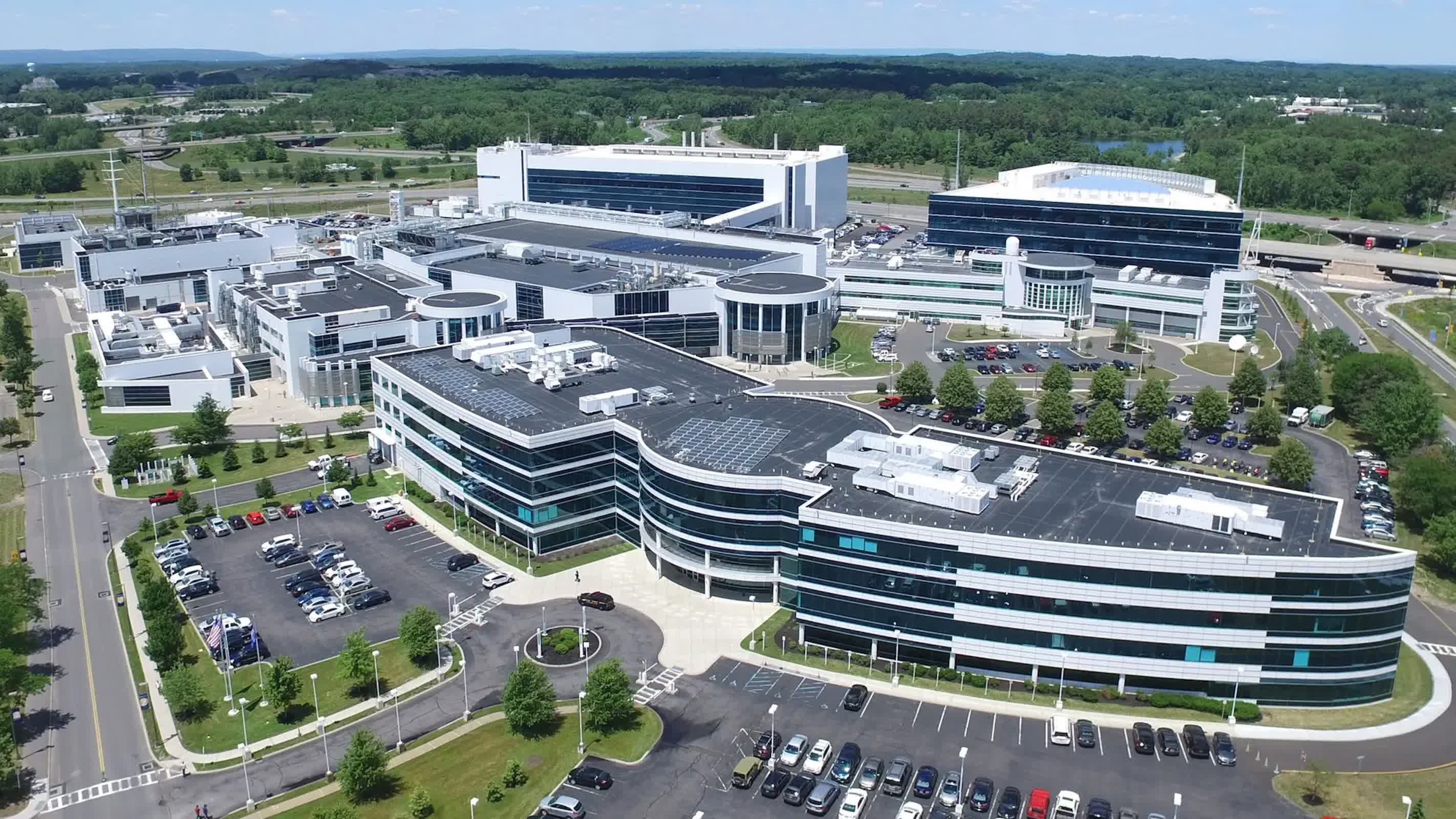
Natcast supported the launch of the CHIPS for America Extreme Ultraviolet Accelerator at the Albany NanoTech Complex in New York.
Commerce officials argued that the nonprofit violated rules prohibiting government agencies from creating corporations. That, they said, invalidated the original agreement permitting Natcast to administer billions in research subsidies. Natcast did not respond to requests for comment.
The decision adds a sharp point of contention to the CHIPS Act, which Congress passed to direct roughly $52.7 billion in federal subsidies toward rebuilding US semiconductor design and manufacturing. About $11 billion of that package was set aside for research initiatives, including advanced chip design and the creation of national R&D centers.
Natcast was supposed to play a central role in disbursing $7.4 billion from that research allocation. The group described itself as aligned closely with White House priorities and in recent weeks called itself a "linchpin" in efforts to strengthen US leadership in semiconductor technology.
Since its creation, Natcast had begun advancing high-profile projects. Earlier this summer, it celebrated the launch of the CHIPS for America Extreme Ultraviolet Accelerator at the Albany NanoTech Complex in New York, where researchers now have access to semiconductor fabrication tools from equipment supplier ASML. Officials had also announced plans for a new research and development facility in Tempe, Arizona, slated to open in 2028.
With Commerce now in charge, it's unclear how those projects will proceed or how much of the $7.4 billion has already been spent. Neither Commerce nor Natcast disclosed how much money remains under contract.
US seizes control of $7.4 billion semiconductor fund, calls Biden-era nonprofit illegal


