Cutting corners: AMD's decision to shift RDNA 1 and RDNA 2 GPUs into a more limited support cycle isn't just a footnote in driver release notes – it's a real-world test of how long modern graphics cards can remain viable. The company now says owners will continue receiving fixes and optimizations "as needed," but that leaves open questions about game performance, feature parity with RDNA 3 and 4, and how this strategy stacks up against Nvidia's longer-term support model. As new titles and driver updates land over the coming months, users will find out whether "maintenance mode" is a minor adjustment – or the beginning of a slow fade for millions of still-popular Radeon cards.
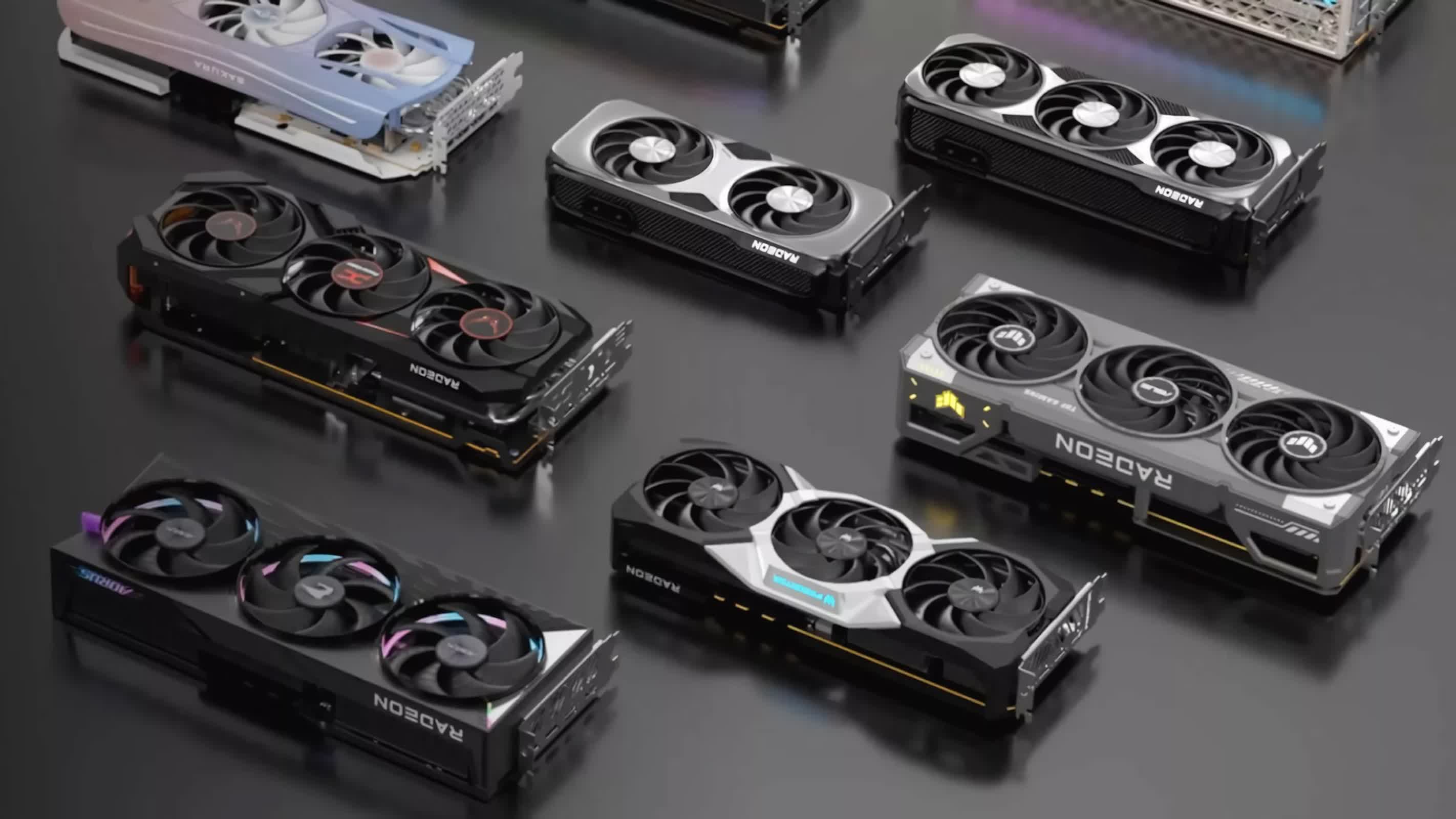
AMD has revised its approach to software support for its RDNA 1 and RDNA 2 graphics cards, following criticism from PC gamers and industry observers after the company initially announced it was moving these GPUs into a so-called maintenance mode.
While AMD previously indicated its focus would shift to the latest RDNA 3 and 4 architectures, the company clarified in a statement to Tom's Hardware that owners of older graphics hardware will still receive targeted updates – albeit on a more limited basis.
Update: One more clarification:
AMD has confirmed to us in writing that RDNA1/2 will still receive game optimizations AT THE SAME TIME as RDNA3/4. So this should put the issue to rest, and if this does end up being the case they probably should have just said this and cut the BS.
– Hardware Unboxed (@HardwareUnboxed) November 3, 2025
H͟a͟r͟d͟w͟a͟r͟e͟...
According to AMD, maintenance mode for the Radeon RX 5000 and RX 6000 series will not mean an immediate end to all game optimizations. After backtracking and clarifying, AMD says that new features, bug fixes, and optimizations will still be provided "as required by market needs" for these GPUs.
However, AMD did not elaborate on what would qualify as such needs or how frequently users can expect updates. The repeated clarification comes after concerns that this "maintenance mode" status would relegate a relatively modern generation of Radeon GPUs to only critical security patches and bug fixes moving forward.
Fun new task for hardware reviewers: closely checking AMD's driver releases to ensure "game support for new releases" is applied at the same time to RDNA 2 and RDNA 4🫤
– Hardware Unboxed (@HardwareUnboxed) November 3, 2025
If AMD are going to change their driver notes and clarify that new game support actually does apply to RX…
This policy shift impacts a large segment of AMD's user base, including both desktop and laptop owners. The affected GPUs were launched between July 2019 and late 2020. The Radeon RX 5700 XT and RX 5700, for example, debuted in mid-2019, while the RX 6000 series – including the still-popular Radeon 6700 XT – has remained a mainstay on Valve's Steam Hardware Survey as recently as September 2025.

The implications go beyond the desktop. Many of the most popular handheld and compact gaming devices – including the Steam Deck and Asus ROG Ally – are built on RDNA 2 chips and could now also facing limited game optimization going forward.
These handheld gaming PCs, which depend even more on regular driver updates to squeeze out stable frame rates from mobile hardware, could be left behind in the wake of fresh releases or major esports updates. Meanwhile, Linux gamers are less affected, as Valve develops and optimizes its own Vulkan drivers for the Steam Deck, separate from AMD's Windows driver development.
AMD's shift leaves RDNA 1 and RDNA 2 users with a more stable dedicated driver branch, but removes their spot in the frequent, monthly game-ready update cycle. While security and bug fixes will continue, new performance features – such as the latest FSR or frame-generation enhancements – are now reserved for RDNA 3 and newer cards. This differs from Nvidia's approach, which has historically maintained game optimizations and security updates for older GPUs several years beyond their launch windows.
In addition to questions over driver support, AMD also addressed confusion regarding USB Type-C functionality in its newer RX 7900 series GPUs. After an inaccurate statement in its Adrenalin Edition 25.10.2 driver release notes, the company confirmed that there would be no change to USB-C compatibility in this update. The error was due to a documentation mistake.
For now, owners of RDNA 1 and RDNA 2-based Radeon products can expect continued, but more narrowly targeted, driver updates as needed. Whether this approach is sufficient to address user concerns and how it will compare to support policies from Nvidia and other rivals will likely become clearer over the coming months as new games and driver updates are released.


