The big picture: The debate over AI disclosure laws continues to intensify across the US as lawmakers try to balance transparency, consumer choice, and innovation. What began as a narrowly focused effort to label chatbots has evolved into a broader discussion about how much control individuals should have over their digital interactions.
Two of the nation's most populous states have enacted new rules requiring businesses and government agencies to disclose when they use artificial intelligence. Utah and California now mandate AI disclosure across a range of interactions, while other states are weighing similar measures aimed at boosting transparency amid the technology's rapid adoption.
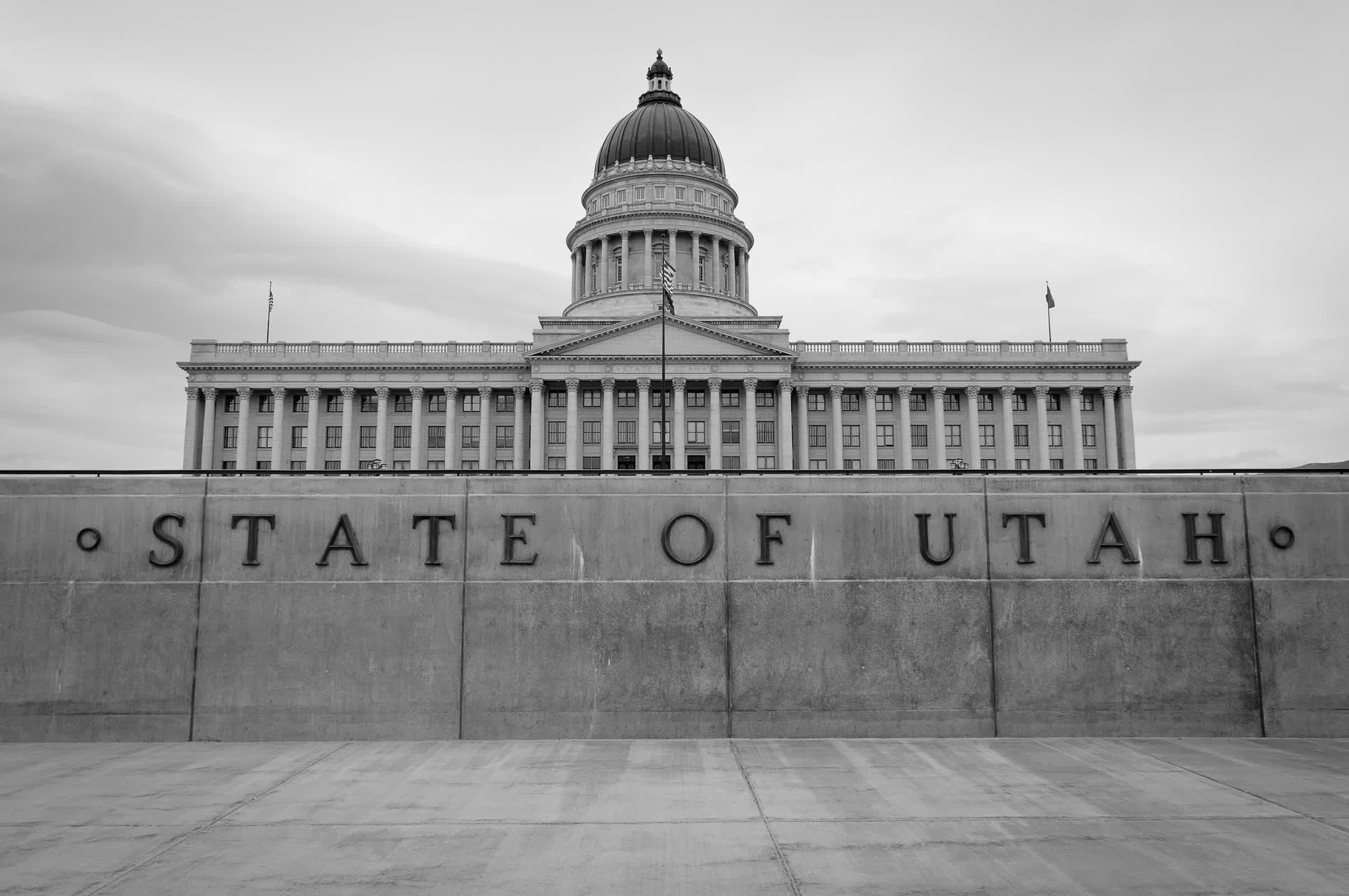
Utah's new regulation, implemented by the Department of Commerce, obliges state-regulated businesses to inform consumers whenever AI systems are involved in communication or service delivery. Margaret Woolley Busse, the department's executive director, told NPR that the goal is to give people a choice. "They just want to be able to know," Busse said. Customers can now ask whether they are speaking with a human or an AI system, and chatbots are required to respond truthfully.
California, which first passed a chatbot disclosure law in 2019, expanded its rules this year to include law enforcement agencies. Under the revised statute, police departments must disclose when they use AI technologies to draft or assist in writing incident reports. Supporters say the update reflects an effort to promote openness and accountability in automated decision-making across the public sector.
Matthew Guariglia, a senior policy analyst with the Electronic Frontier Foundation, said greater transparency is essential to preserving accountability. "AI in general and police AI in specific really thrives in the shadows, and is most successful when people don't know that it's being used," he said.
The foundation supported California's new disclosure rule and noted that San Francisco already requires city departments to publicly report their AI use.
While states push ahead, the federal government has expressed concern about a growing patchwork of local regulations. The Trump administration, through its top technology advisor, has signaled opposition to state-level measures it views as inconsistent. White House "AI Czar" David Sacks recently described the trend as a "state regulatory frenzy that is damaging the startup ecosystem." Administration officials argue that overlapping mandates could stifle innovation and complicate compliance for technology companies operating across state lines.
Some industry leaders share those concerns, warning that disclosure mandates could discourage experimentation. Daniel Castro, vice president of the Information Technology & Innovation Foundation, said transparency is important but not without potential downsides. "You can think of an electrician that wants to use AI to help communicate with his or her customers," he said. If consumers are put off by knowing that AI is involved, he added, "maybe that turns off the customers and they don't really want to use it anymore."
For others, however, slowing the pace of adoption is a welcome prospect. Kara Quinn, a homeschool teacher in Bremerton, Washington, said she is uneasy about how quickly AI is becoming embedded in daily life.
"Part of the issue, I think, is not just the thing itself; it's how quickly our lives have changed," Quinn said. Recently, she switched her email provider because the service began summarizing messages using AI. "Who decided that I don't get to read what another human being wrote?" she asked. "I value my ability to think. I don't want to outsource it."
Utah and California are starting to require businesses to tell you when you're talking to AI


