
A hot potato: Being a doctor is one of the jobs expected to be least at risk from AI replacement. But a new program launched in Utah is raising questions over that assumption. A healthcare startup will begin offering AI examinations and prescriptions to patients without direct human oversight, making Utah the first state to replace a doctor with an AI.

The good news is that the program is currently very limited in its scope. It's just one year long and only for patients with mild-to-moderate acne.
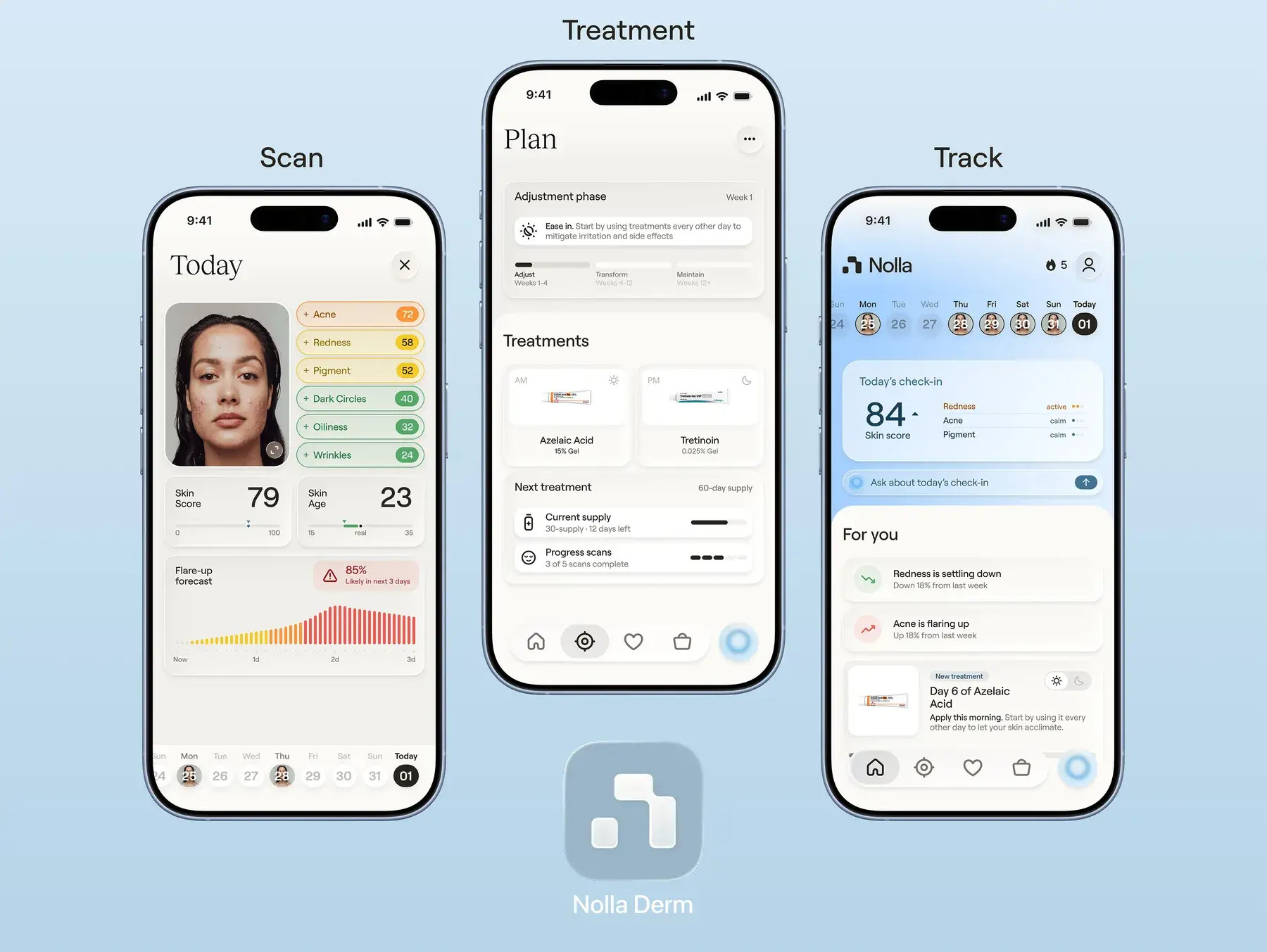
The process works when a person signs up for Nolla Health's $4.99-per-month app and uses it to scan their face. After completing a medical history and personal information form, the AI analyzes their skin, identifies the acne problem, rates the skin's oiliness, and then generates a numerical acne severity score that ranges between clear skin and severe acne, reports Bloomberg.
The AI then combines that score with the provided medical information to recommend medication from a list of eight approved treatments.
While the program will eventually become fully automated, the first 100 prescriptions will have to be reviewed by actual doctors before they are submitted to the pharmacy.
In the second phase, the next 400 patients will have their prescriptions submitted to pharmacies by the AI and reviewed retrospectively by a physician weekly.
The final phase will involve a doctor reviewing at least 10% of the total prescriptions issued once a month.
We've repeatedly seen the dangers of putting your trust in AI when it comes to medical/healthcare advice. One of the more famous cases came last year when a 60-year-old man took ChatGPT's advice and replaced the salt in his diet with sodium bromide, causing bromism, a psychiatric disorder not commonly seen since the 19th century.
In March, Google quietly dropped an AI-powered search feature called What People Suggest, which offered crowdsourced health advice from people who share similar medical conditions or experiences. The move came just a couple of months after the company removed several of its AI Overviews following a report that found inaccurate information was being shown to users, potentially putting their health at risk.
In the case of Nolla Health, CEO Luis Wenus said the adverse effects of the eight approved medications are limited to localized skin irritation or dryness. The prescriptions are also limited to topical medications rather than pills.
While this is a small program, it could be the very first step toward AI taking the place of doctors, or at least being used to treat less serious conditions in patients.


