What just happened? With freeway travel now part of its operational map, Waymo is extending the commercial range and complexity of its driverless fleet. The expansion blurs the separation between testing and mass deployment – a transition that could define the next competitive chapter in the driverless car industry.
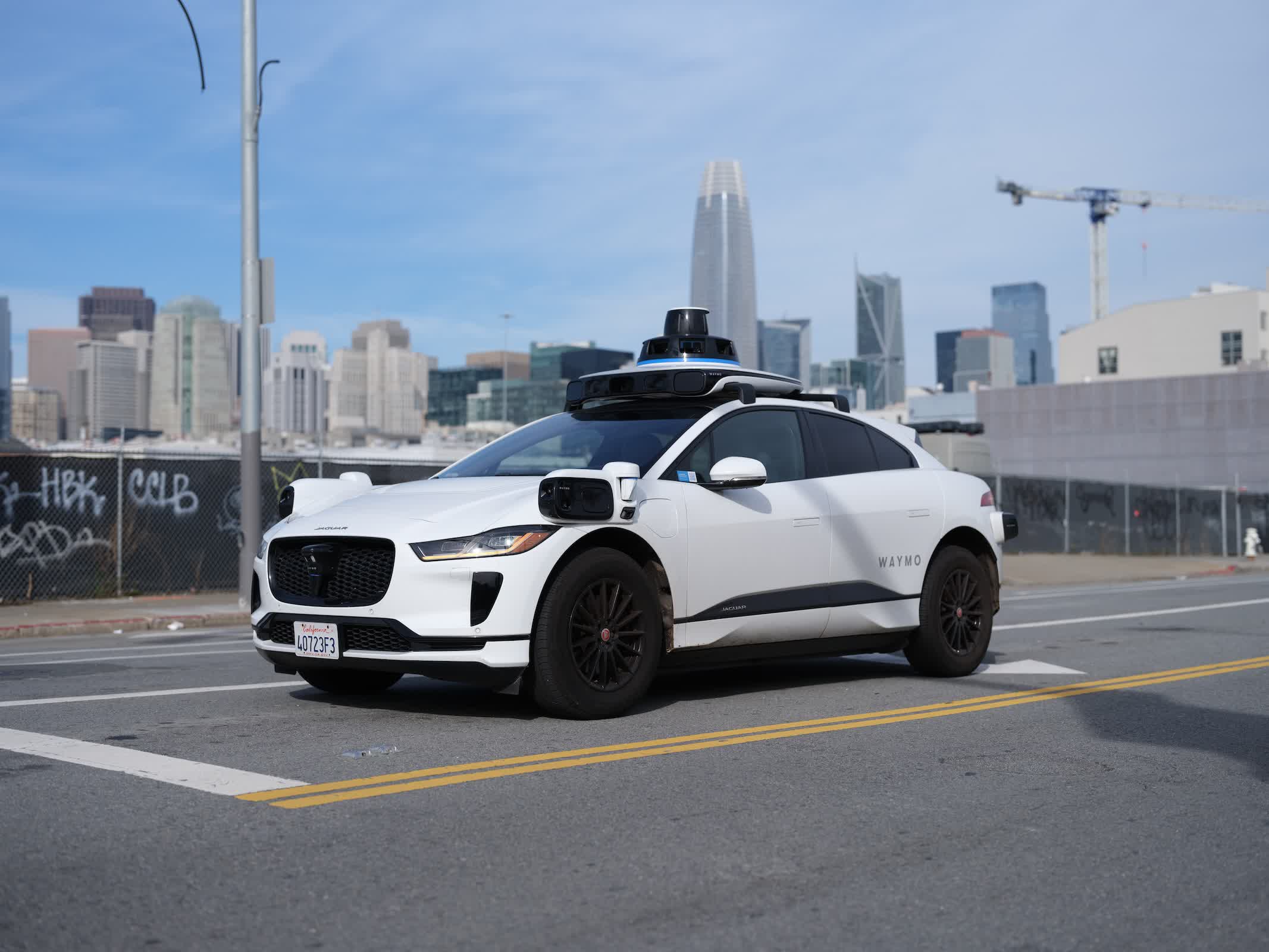
Alphabet's self-driving unit, Waymo, is expanding its commercial robotaxi program to include freeway segments across San Francisco, Los Angeles, and Phoenix, marking a significant step in the evolution of fully autonomous ride-hailing. The company said this week that freeway-capable rides will be available first to early access users before a wider rollout.
The expansion brings a new dimension to Waymo's service, which until now has operated primarily on city streets. According to the company, passengers will be matched with a freeway route when doing so provides a clearly faster option. The new ability is designed to make trips quicker, with the system capable of merging, changing lanes, and exiting highways entirely on its own.
Waymo's current network already includes dense urban corridors in the San Francisco Bay Area. The company is now extending coverage to San Jose, including Mineta San Jose International Airport – the second airport in its operating map after Phoenix Sky Harbor.
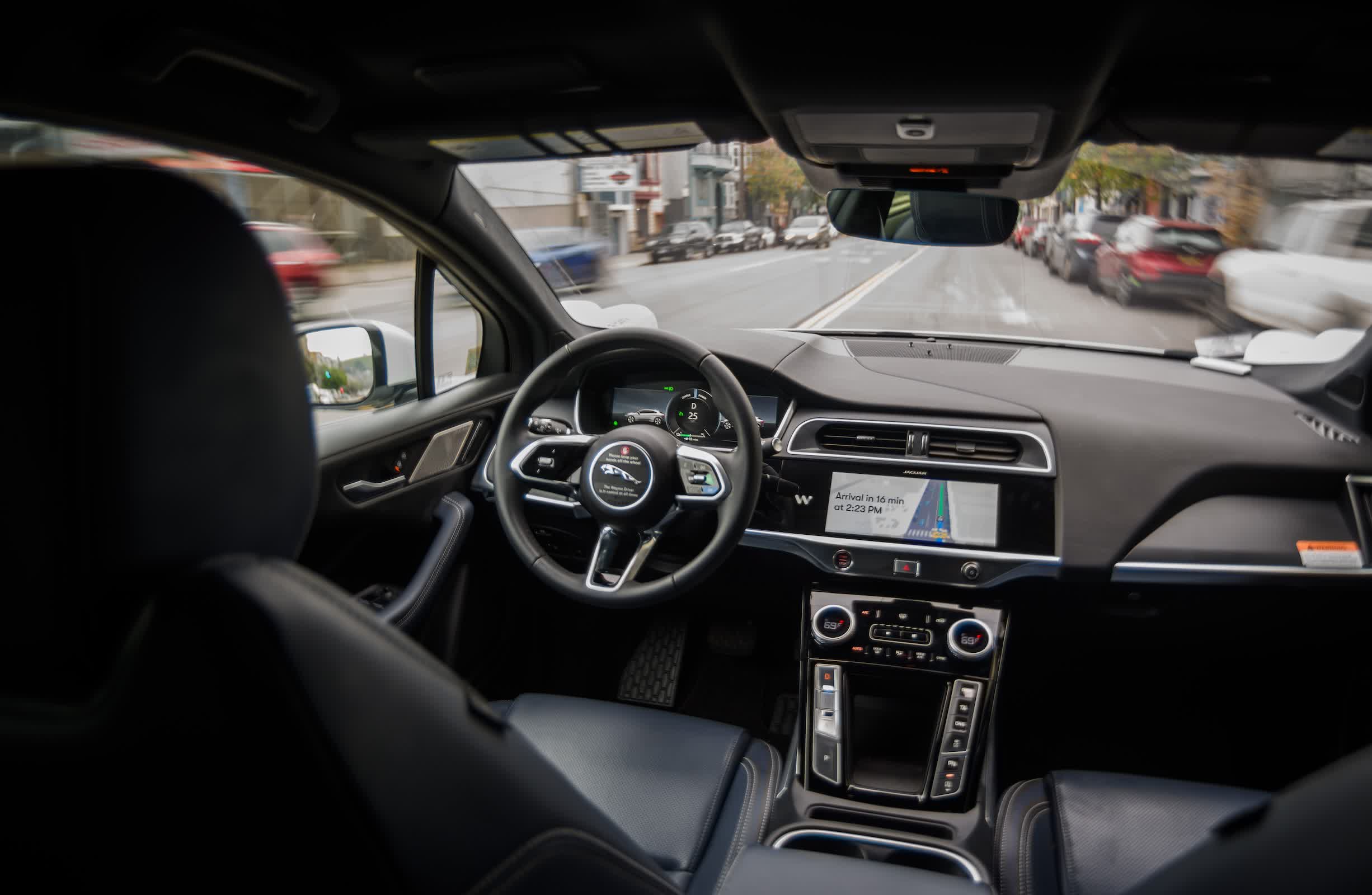
With more than 1,500 vehicles in its US fleet, Waymo remains the country's only provider of paid, fully driverless rides with no human monitors on board. The company first opened its commercial service in Phoenix in 2020 after over a decade of testing autonomous driving under the Google brand.
Freeway operation introduces a different set of engineering and safety challenges from city driving. While limited-access highways remove variables like pedestrians and complex intersections, vehicles must adapt to higher speeds and faster decision-making in situations such as merging traffic, abrupt braking, and navigating multiple exit lanes. Waymo said it has developed new freeway driving protocols in cooperation with law enforcement and state safety agencies to manage these conditions.
The company's move differentiates its technology from Tesla's driver-assist systems, which still require human supervision, and from Amazon-backed Zoox, which recently began offering rides along the Las Vegas Strip.
Waymo's freeway service highlights the company's progress toward scaling fully autonomous mobility, even as it continues to face federal inquiries into abnormal vehicle behavior observed in some driving scenarios.
Waymo expands robotaxi service to freeways across San Francisco, LA, and Phoenix


