What we know so far: Supporters of federal action on national AI policies and standards insist that harmonized oversight is necessary to compete globally, especially with rivals like China. However, state officials and local experts argue that regional nuances are essential for managing rapidly evolving risks. The outcome of federal legal challenges will set important precedents, not only for artificial intelligence but also for the scope of presidential power and the dynamics of American federalism in the digital age.
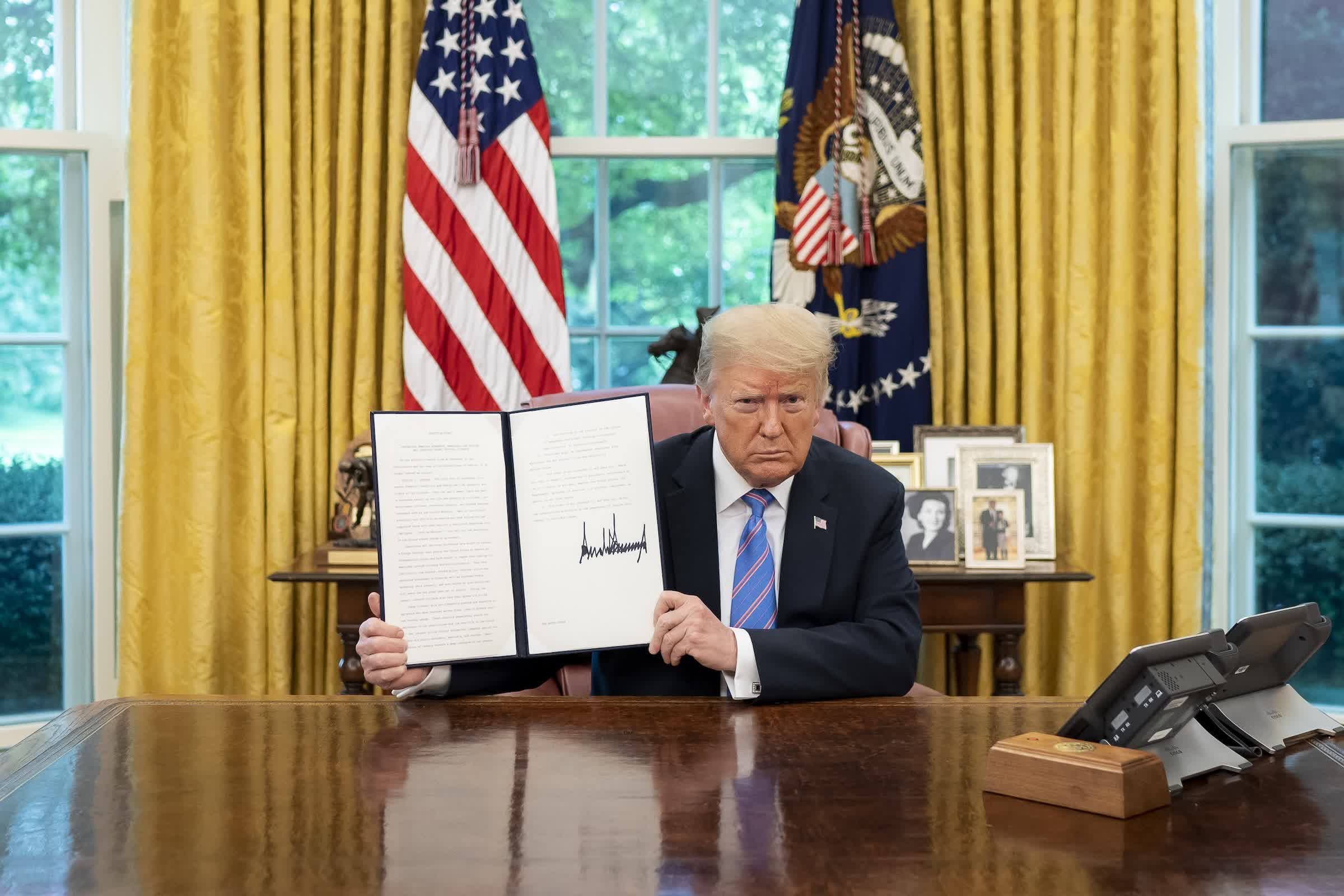
The Trump administration is preparing to challenge state-level laws on artificial intelligence through a new executive order, marking a significant escalation in the ongoing debate over federal versus state authority in tech regulation.
The plan, which the Washington Post confirmed through sources familiar with internal White House discussions, would empower the Justice Department to file lawsuits against states that enact AI regulations, alleging that these measures obstruct interstate commerce and threaten the coherence of national policy objectives. This approach raises unresolved questions about constitutional limits on executive branch authority and the balance of power between federal and state governments.
The administration's draft executive order, reviewed by select outside parties, seeks to centralize federal oversight of artificial intelligence. Its directive would require the Justice Department to actively contest state statutes and regulations related to AI, framing such actions as impediments to national innovation and commerce. Legal experts warn that this maneuver tests the outer boundaries of presidential powers.
Governor DeSantis is correct. States must be able to regulate the tools of AI that could severely impact our kids, our families, our constitutional rights, and our security.
– Governor Cox (@GovCox) November 19, 2025
We already made the mistake of allowing social media companies to destroy our children's mental health... https://t.co/cxmSMo9pKZ
This initiative follows a breakdown in congressional negotiations earlier in the year, when Senate Republicans – traditionally champions of state sovereignty – were divided over whether to preempt state AI laws through blanket federal measures. That legislative effort collapsed amid concerns about emerging AI threats to workforce stability, child safety, and energy costs, topics now drawing bipartisan attention on Capitol Hill.
The administration's technology agenda has prioritized modernizing and building data centers for AI workloads, improving the national electricity grid to accommodate increased power demand, and advancing high-performance computing resources. Trump's executive actions earlier in 2025 established minimum data quality standards, expanded federal access to data for AI systems, and called for resilient infrastructure to support innovation.
One notable aspect of the draft order is the creation of a federal task force to analyze state laws for potential conflicts with free speech. The Commerce Department, in coordination with this task force, would be authorized to suspend federal broadband funding to any state judged to be interfering with open AI development – a move seen as a powerful enforcement mechanism embedded within the policy.
The plan has triggered vigorous discussion within the technology sector and civil liberties organizations. Critics argue that attempts to preempt state laws – especially through executive fiat – ignore established processes for legislative debate and democratic self-governance. Civil society advocates cite the constitutional principle that congressional action, not executive orders, should determine federal preemption questions in regulatory matters. They warn that sidelining state innovation could worsen real risks, such as algorithmic bias, privacy violations, and the social impact of automation.
Sneaking it into the defense bill is an insult to voters. https://t.co/MSeOzJsKjN
– Ron DeSantis (@RonDeSantis) November 19, 2025
Despite resistance, the administration has continued to advocate for a unified national AI policy, with President Trump and congressional allies proposing amendments to major legislation, including the annual defense authorization bill, to embed a federal AI standard. However, opposition within the Republican Party is growing – most recently expressed by Ohio and Florida governors and activists.
White House threatens states with lawsuits over AI regulation


