In a nutshell: Windows 11 is now running on more than one billion devices – an achievement the company confirmed during its fiscal Q2 2026 earnings call. The milestone comes roughly four years and four months after the operating system's release – less time than it took Windows 10 – underscoring how rapidly enterprises and consumers have migrated to Microsoft's latest desktop platform.
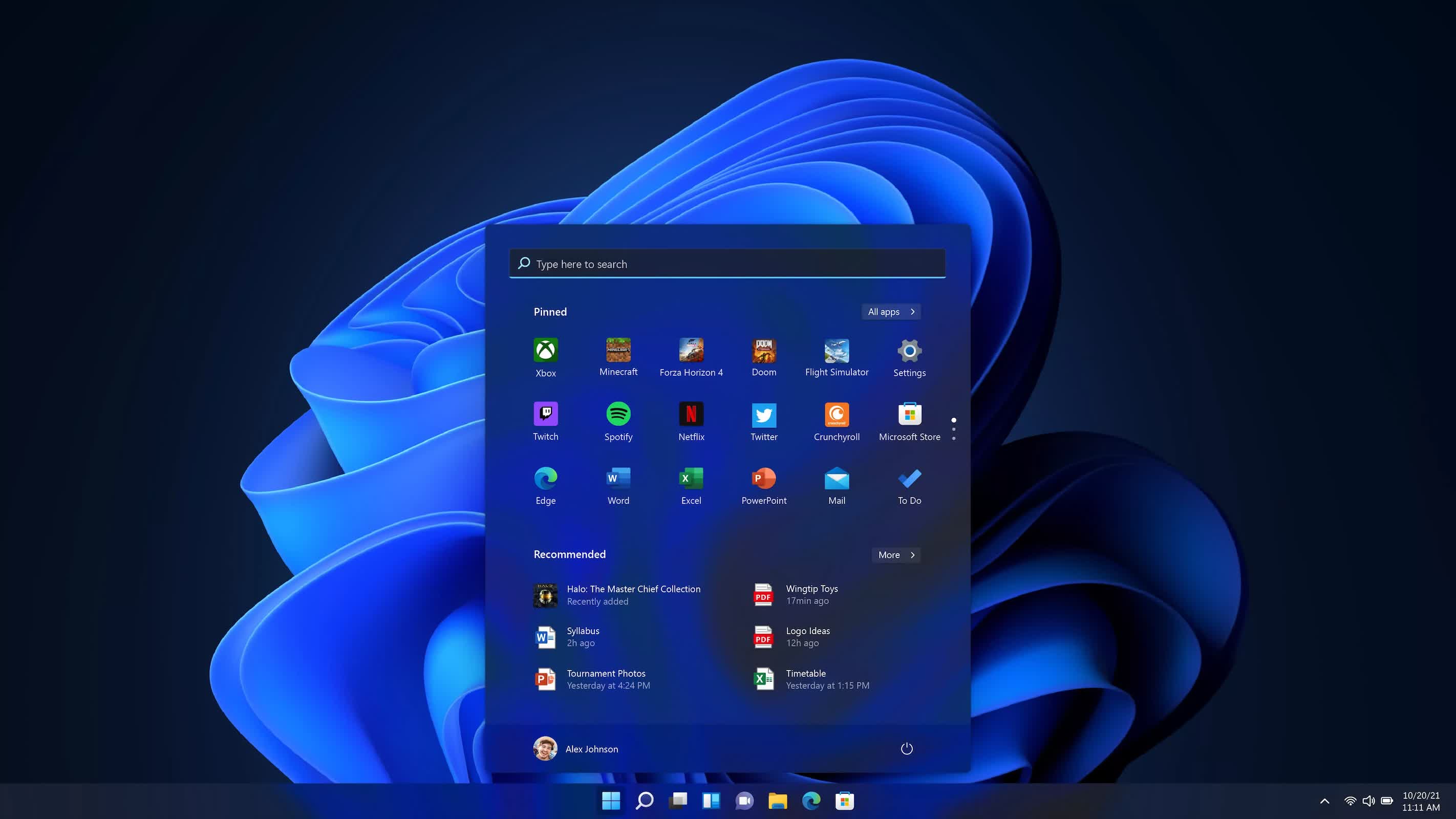
While adoption was initially gradual, Windows 11's momentum accelerated over the past year. Chief Executive Satya Nadella told investors the user base is up more than 45 percent year-over-year, attributing the growth to Windows 11's role in modernizing the PC ecosystem and strengthening OEM revenue.
A key part of this acceleration is the hard stop on Windows 10 support. Microsoft ended mainstream support for consumer versions of Windows 10 on October 14, 2025, cutting off new security and feature updates for those editions and effectively freezing the platform in place for anyone who chooses to stay.
Organizations that still rely on Windows 10 can now only keep their systems fully patched by purchasing Extended Security Updates, which turns continued use of the older OS into an ongoing cost rather than a default.
That shift reshapes the economics of staying put versus upgrading, pushing enterprises and large PC fleets toward Windows 11 where updates are included and Microsoft's roadmap is focused.
It also reinforces the incentives for OEMs to ship new hardware with Windows 11 preinstalled, knowing customers will be reluctant to invest further in machines tied to an operating system that has reached the end of its standard life.
That detail matters for Microsoft's broader strategy. Windows 10 once carried an ambitious promise: one billion devices within three years. But the company's early hopes stalled after the collapse of Windows Phone, forcing the target date to slip by nearly three more years. Windows 10 needed 1,706 days to reach one billion users, longer than the 1,576 days it took Windows 11 to reach this milestone.
Windows 11 has faced none of those mobile constraints. Its platform strategy centers on AI-driven productivity and a unified kernel across x86 and Arm hardware, giving OEM partners a clearer upgrade path than ever before.
The billion-device figure signals that those bets are paying off. It reinforces Windows 11's dual identity: both a continuity step from older Windows releases and a foundation for Microsoft's next-generation computing efforts – from Copilot-enhanced workflows to tighter integration between local and cloud computing models.
With Windows 10 support officially expiring and the economics of staying on older builds growing less attractive, that trajectory is poised to accelerate further in the quarters ahead.
Windows 11 hits one billion users in less time than Windows 10