
Wow: Wyoming could soon host one of the largest AI data centers ever built – one consuming more electricity than every home in the state combined. The scale is staggering and raises urgent questions about how the AI boom will reshape America's energy future.
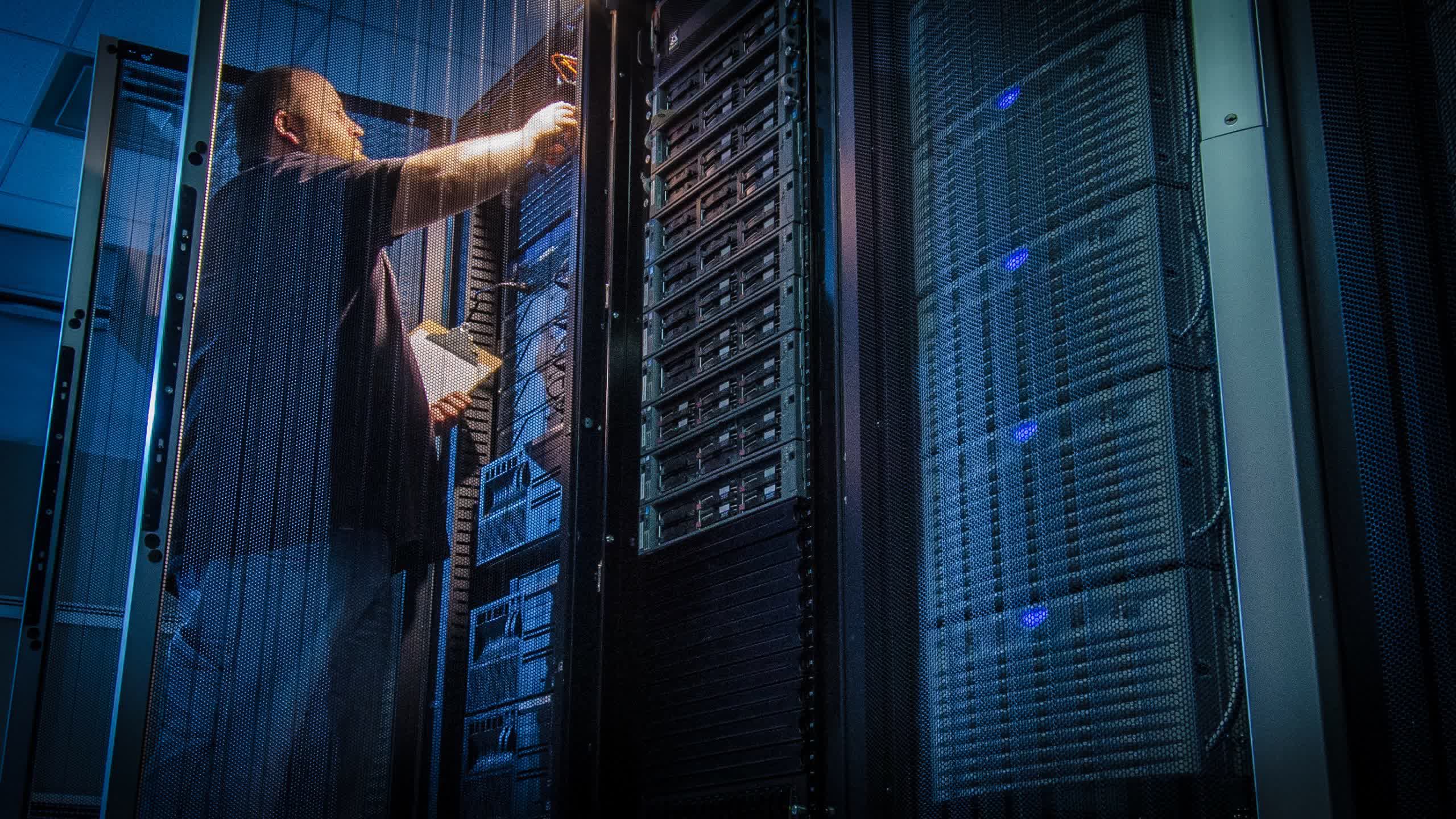
On Monday, Cheyenne Mayor Patrick Collins announced a joint venture between energy infrastructure company Tallgrass and Crusoe, an AI data center developer. The Associated Press notes the facility's first phase would draw 1.8 gigawatts, consuming 15.8 terawatt-hours annually – five times what Wyoming households currently use and 90 percent of the state's entire annual consumption. At full scale, the data center would hit 10 gigawatts and 87.6 TWh a year, outstripping the state's total power output.
Pulling that load from the public grid would cripple Wyoming's energy system, even with the mix of dedicated natural gas generation and renewables that Crusoe and Tallgrass plan. The sheer scale represents a dramatic shift for a state that exports nearly 60 percent of its electricity.
Governor Mark Gordon framed the announcement as a win for the state's natural gas industry.
"This is exciting news for Wyoming and for Wyoming natural gas producers," he said.
The project's proposed site lies just south of Cheyenne near the Colorado border. Collins said he expects construction to start quickly, pending state and local approvals. If approved, the development would instantly become one of the largest industrial projects in Wyoming's history.
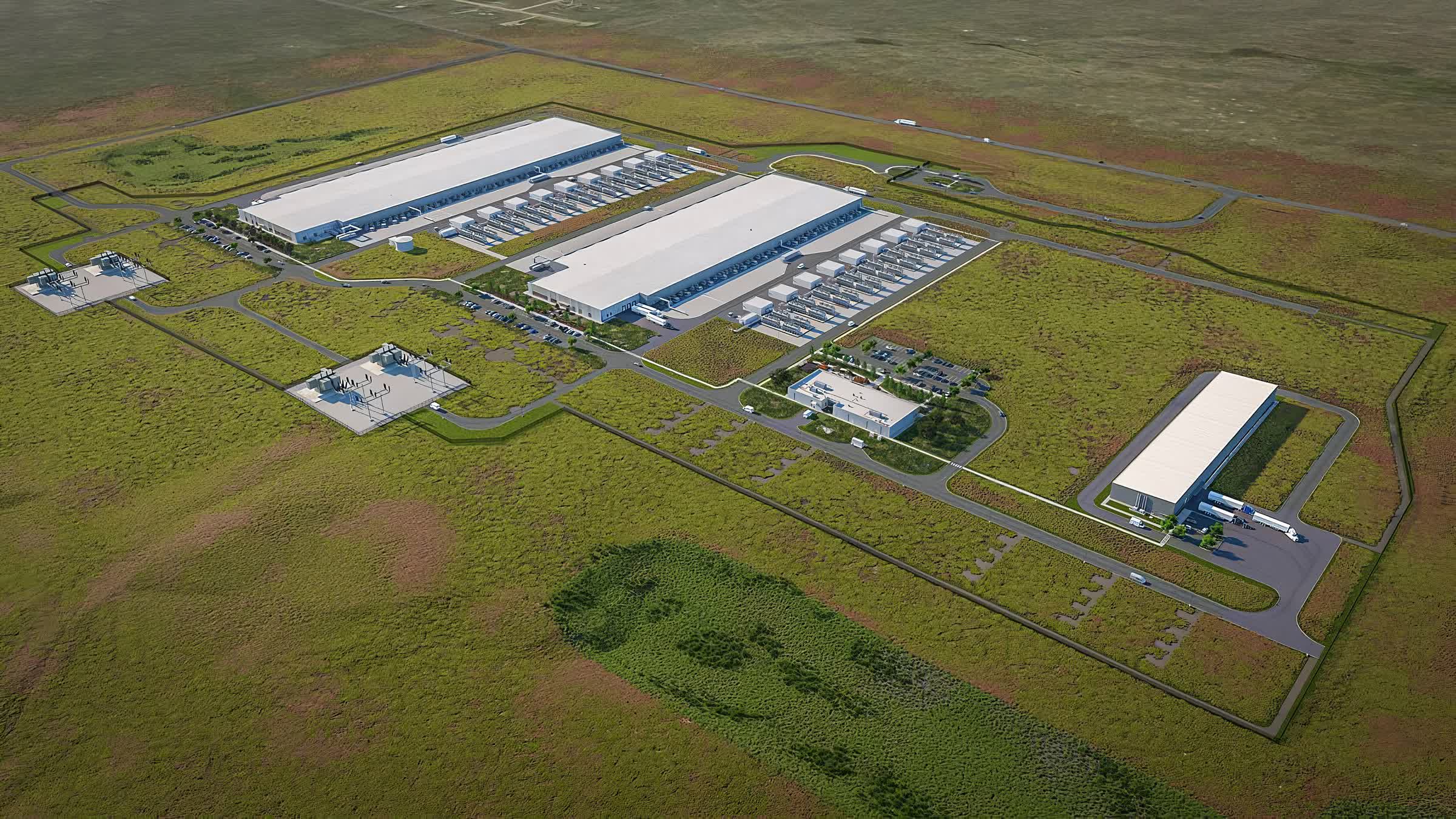
Meta's Cheyenne AI campus (above render) will likely pale in comparison to Crusoe's project.
Cheyenne has quietly become a magnet for data centers since 2012, luring Microsoft and Meta with its cool climate and cheap energy. However, this project is on an entirely different scale – prompting doubts about who could possibly need that much computing power and what the strain might mean for Wyoming's grid. There are plans for a state-of-the-art nuclear plant, but that is a long way off – assuming it is even approved.
Crusoe has not named a tenant, and speculation has swirled around whether OpenAI could be involved. The company recently launched a massive Crusoe-built data center campus in Abilene, Texas, in partnership with Oracle. OpenAI says that the site alone accounts for about a gigawatt of capacity – the largest of its kind in the world – and has committed to securing an additional 4.5 gigawatts.
Crusoe spokesperson Andrew Schmitt declined to say whether the Wyoming facility might be part of OpenAI's "Stargate" AI infrastructure program when pressed by the Associated Press.
"We are not at a stage that we are ready to announce our tenant there," he said. "I can't confirm or deny that it's going to be one of the Stargate."
What's clear is that this project represents more than just another hyperscale build – it signals a collision between the boundless appetite of AI computing and the hard limits of the nation's energy grid. Wyoming, the least populous US state with just 587,618 residents, may gain jobs and natural gas demand. However, it also becomes a test case for whether the industry can responsibly power AI's growth – or whether its needs will overwhelm even energy-rich states.
Wyoming could become the first state to supply more electricity to AI than to residents


