
What just happened? Elon Musk's artificial intelligence startup, xAI, recently launched version 1.0 of Grok's image and video generator, which it claims is the biggest upgrade yet. Users can now create longer videos at a significantly higher resolution and with clearer audio. As xAI's image generator continues to court controversy, the company recently released Grok's API and announced its acquisition by another Musk company, SpaceX.
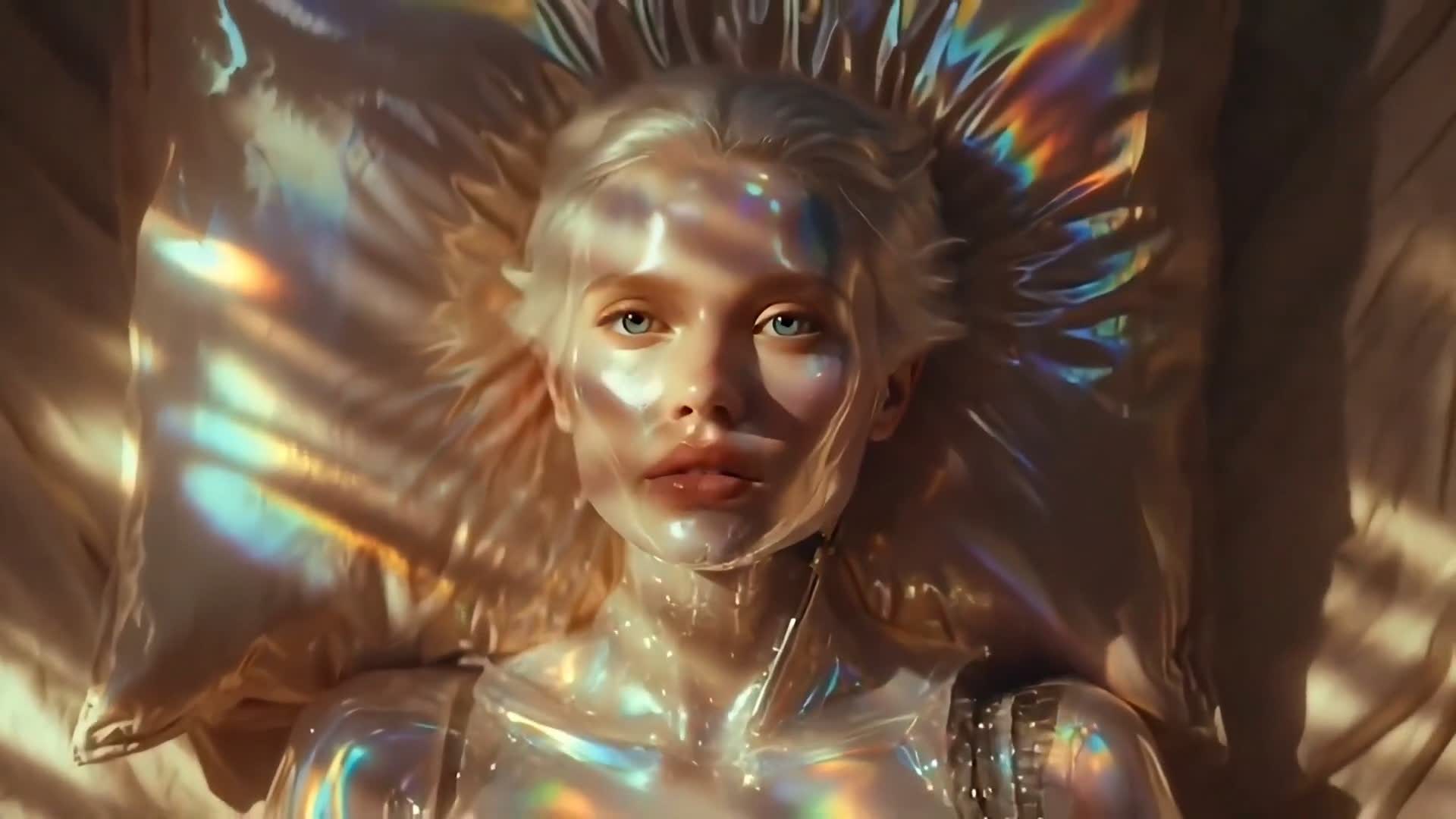
Users on X can now prompt Grok to generate clips up to 10 seconds long and at resolutions up to 720p. xAI announced that users have created approximately 1.245 billion videos over the past 30 days. In the hours since the release of version 1.0, users have already begun posting videos showcasing its advancements.
Introducing Grok Imagine 1.0, our biggest leap yet.
– xAI (@xai) February 2, 2026
1.0 unlocks 10-second videos, 720p resolution, and dramatically better audio.
Imagine has generated 1.245 billion videos in the last 30 days alone.
Try it now: https://t.co/zGhs9czkC5 pic.twitter.com/7FPxm7H059
Although Grok Imagine's clips only last 10 seconds, users have combined shots to create short films with visually consistent scenes and characters. Dogan Ural, xAI's creative ambassador, demonstrated this with a 50-second video in which an android wakes up, flies above a landscape, and plays a cello before a large audience.
Experience stories that unfold fully. Sharper detail and smoother motion that draws you deeper into the scene.
– xAI (@xai) February 2, 2026
Videos are now longer and higher resolution.
Video by @doganuraldesign pic.twitter.com/qjheZPelhT
Another user combined multiple AI tools to prompt a nearly one-minute-long cartoon showing a man spending a day at home sipping coffee and playing chess with himself. Meanwhile, Capcom's Oliver Campbell shared a clip that inserts a cartoon character into a high-speed, realistic scene.
Full cartoon from scratch with Grok Imagine 1.0
– Framer (@Framer_X) February 2, 2026
Multi-shot scenes, longer videos, and sharper audio quality.
It's never been easier to bring your ideas to life.
Let me show you how pic.twitter.com/sc6uYxIVJs
Grok Imagine 1.0 can even maintain this cartoon/real hybrid at high speeds, BUT... it does start to degrade over time. I find that it gets very messy at 10 seconds. pic.twitter.com/PsrewI8LQg
– Oliver Campbell (@olivercampbell) February 3, 2026
xAI also attempted to demonstrate Grok's audio quality improvements with two clips containing expressive, voiced characters. However, the videos reveal that lip syncing remains a challenge for generative AI.
Huge leap in prompt following: Imagine 1.0 understands your vision - even with follow up prompts - and brings it to life. pic.twitter.com/rDB6NKedj0
– xAI (@xai) February 2, 2026
It remains unclear how the update will impact the controversial nature of Grok Imagine's output. When it gained the ability to create explicit images late last year, users almost immediately began generating inappropriate non-consensual images of women and children.
According to the Center for Countering Digital Hate, Grok created approximately three million revealing pictures, including 23,000 that appeared to show children. Although X eventually introduced safeguards against creating sexualized images of real people, many users have reportedly bypassed the restrictions. The European Commission recently began investigating X over the image generator.
In related news, xAI also released Grok Imagine's API late last month. Internal benchmarks claim that the video generation toolchain outperforms Veo 3, Sora 2, and numerous others in effectiveness versus price.
Elon Musk's rocket and satellite company, SpaceX, is acquiring the AI startup to form a vertically integrated enterprise that offers AI compute in low earth orbit. Although skeptics disagree, Musk believes that it will soon become more efficient to operate the technology outside of Earth's atmosphere.
xAI launches Grok Imagine 1.0 with 10-second 720p video generation – here's what it looks like


