Looking ahead: As subscription-based access reshapes how games reach players, Microsoft appears determined to make Game Pass central not only to its hardware ecosystem but also to its relationship with studios. Whether the model will prove sustainable across the industry remains unsettled.
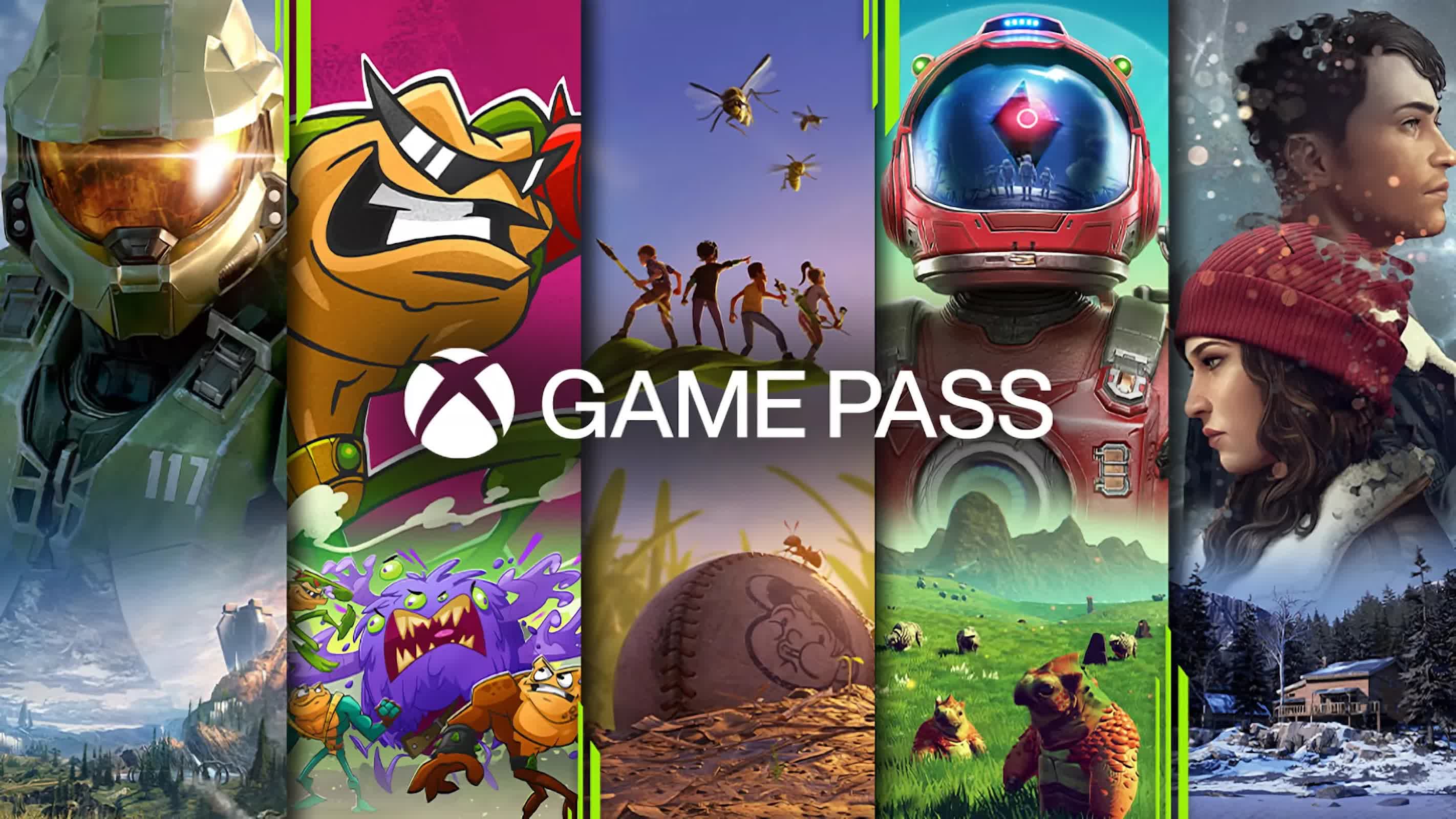
Microsoft has stepped up its investment in Xbox Game Pass, signing agreements with more than 150 partner studios in what it calls the platform's largest expansion since its 2017 launch. The move reflects not only greater financial backing but also a broader strategy to emphasize variety, discoverability, and developer sustainability as the service becomes increasingly central to the Xbox business.
Chris Charla, head of ID@Xbox (Independent Developers @ Xbox), told Eurogamer that the latest round of agreements represents its "largest investment in Game Pass to date." He said Microsoft is working with more partner studios than ever before, with over 50 teams securing their first Game Pass deal in the past year.
"The majority of partners who've had a game in Game Pass want to bring their future titles to the service," Charla said. "As a result, we've signed deals with more than 150 partners to expand the catalogue. We continue to engage with hundreds of partners each year to review upcoming titles."
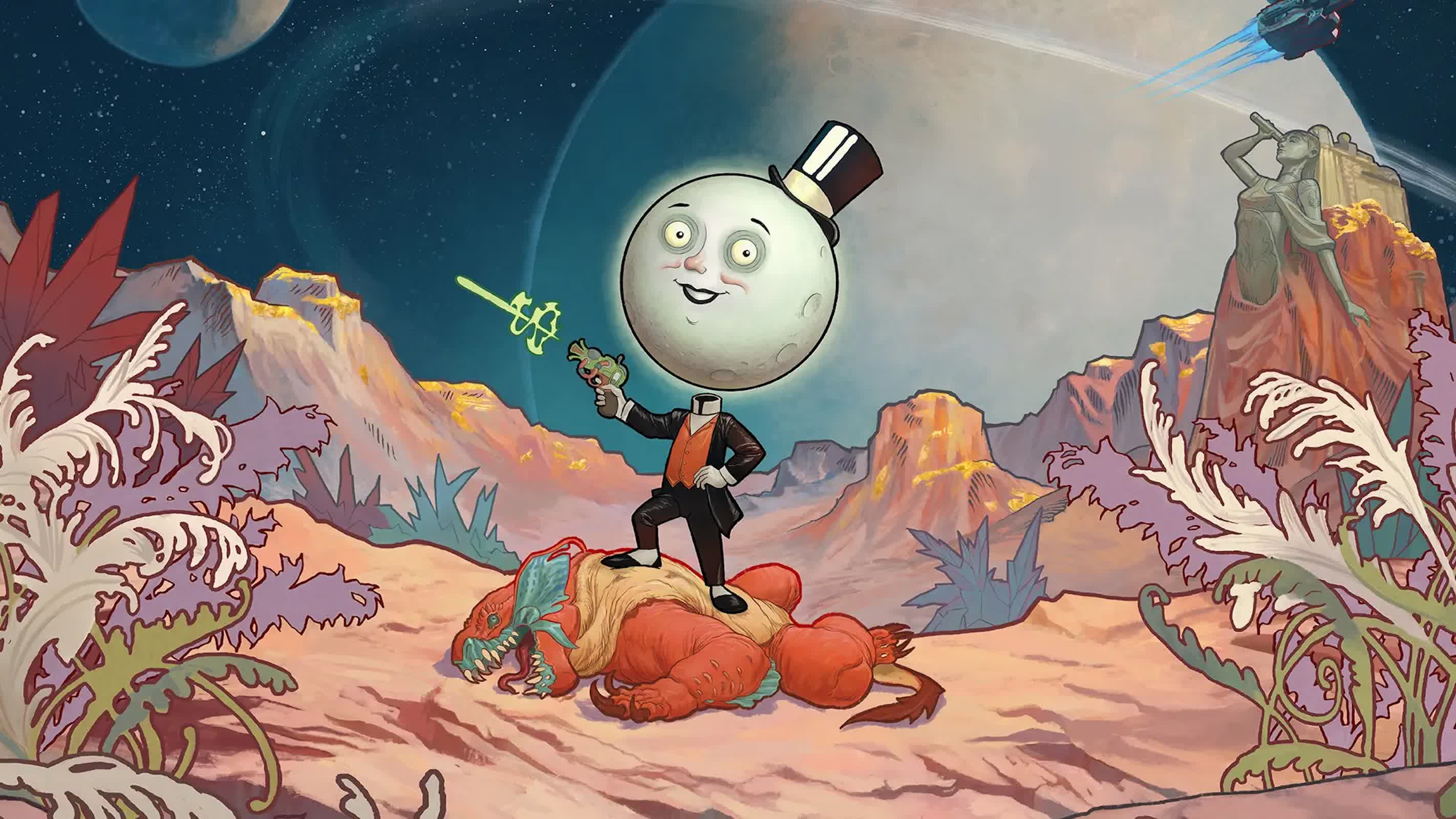
The Outer Worlds 2 launches October 29.
Game Pass launched in June 2017 and expanded in 2020 with the addition of EA Play. The service offers multiple tiers, starting at $9.99 per month, while the $19.99 Ultimate plan includes console, PC, and cloud streaming. Along with many indie titles, it has delivered marquee releases such as Hollow Knight: Silksong and will add high-profile franchise entries, including The Outer Worlds 2 and Ninja Gaiden 4.
The rapid growth of Game Pass has fueled debate over the long-term impact of subscription models on the industry. Arkane Studios founder Raphael Colantonio has called Game Pass "unsustainable" and said it has been increasingly "damaging" to the industry over the past decade. Larian's publishing director, Michael Douse, offered a more nuanced perspective, noting that smaller or riskier titles can gain visibility through the service while suggesting that Sony's approach – adding games to subscriptions later in their life cycle – can help maintain stronger initial sales.
Former PlayStation chief Shawn Layden has also questioned the focus of these debates. Layden told GamesIndustry.biz that profitability is not the key issue.

Ninja Gaiden 4 gets day-one release on Game Pass on October 21.
"You can do all kinds of financial jiggery-pokery for any sort of corporate service to make it look profitable if you wanted to," he said. "The real issue for me on things like Game Pass is, is it healthy for the developer?"
Miles Jacobson, director of Football Manager, offered a contrasting outlook. He told Eurogamer that player numbers for the series surged once it joined subscription platforms, describing the move as the result of a five-year build-up of planning and experimentation.
"We built a whole business model around it," Jacobson said.
Charla has defended the model, pointing to the variety of games highlighted at Gamescom as central to Microsoft's strategy.
"It is just really a recognition by Xbox of the absolute crucial need for diversity in our portfolio," he said.
He added that Microsoft wants to balance subscriber value with studio sustainability by maintaining strong support for independent creators and continuing partnerships with both established and smaller teams.
Xbox Game Pass sees record expansion, adding 150 studios to its roster


