In a nutshell: Kodak, the iconic photography giant that has existed for 133 years, might not be around for much longer. The firm has revealed that it doesn't have enough money to pay its upcoming debt obligations, which has raised "substantial doubt about the company's ability to continue."
In its recent second-quarter earnings statement, Kodak reported revenue of $265 million, down 1% compared to last year's $267 million. It also reported a GAAP net loss of $26 million, down 200% compared to the same time period in 2024, when it reported a $26 million income.
What's especially concerning for the company is its need to pay roughly $500 million in upcoming debt obligations. Kodak has warned that it doesn't have the funds to make these loan repayments, which mature in May 2026.
Chief accounting officer and corporate controller Richard Michaels wrote in a US Securities and Exchange Commission filing this week that "Kodak has debt coming due within twelve months and does not have committed financing or available liquidity to meet such debt obligations if they were to become due in accordance with their current terms."
"These conditions raise substantial doubt about Kodak's ability to continue as a going concern," Michaels warned.
Despite the ominous outlook, Kodak remains confident that it can pay a significant portion of the loan before the maturity date. It aims to generate money by ceasing payments for its retirement pension plan.
While the Trump tariffs are affecting numerous companies, Kodak says its expects them to have "material impacts" on its business because many of its products, including cameras, ink, and film, are manufactured in the United States.
Even those unfamiliar with photography know the name Kodak and recognize its yellow and red "K" logo. Its roots can be traced back to 1880, when founder George Eastman, a bank clerk in Rochester, New York, who became obsessed with making photography simpler and more accessible, patented a dry-plate coating machine. The company renamed itself the Eastman Kodak Company in 1892.
In the 1970s, Kodak was responsible for 90% of film and 85% of camera sales in the United States,
The rise of digital saw Kodak stop selling traditional film cameras in most markets in 2004. It filed for Chapter 11 bankruptcy in 2012, with debts totaling $6.75 billion.
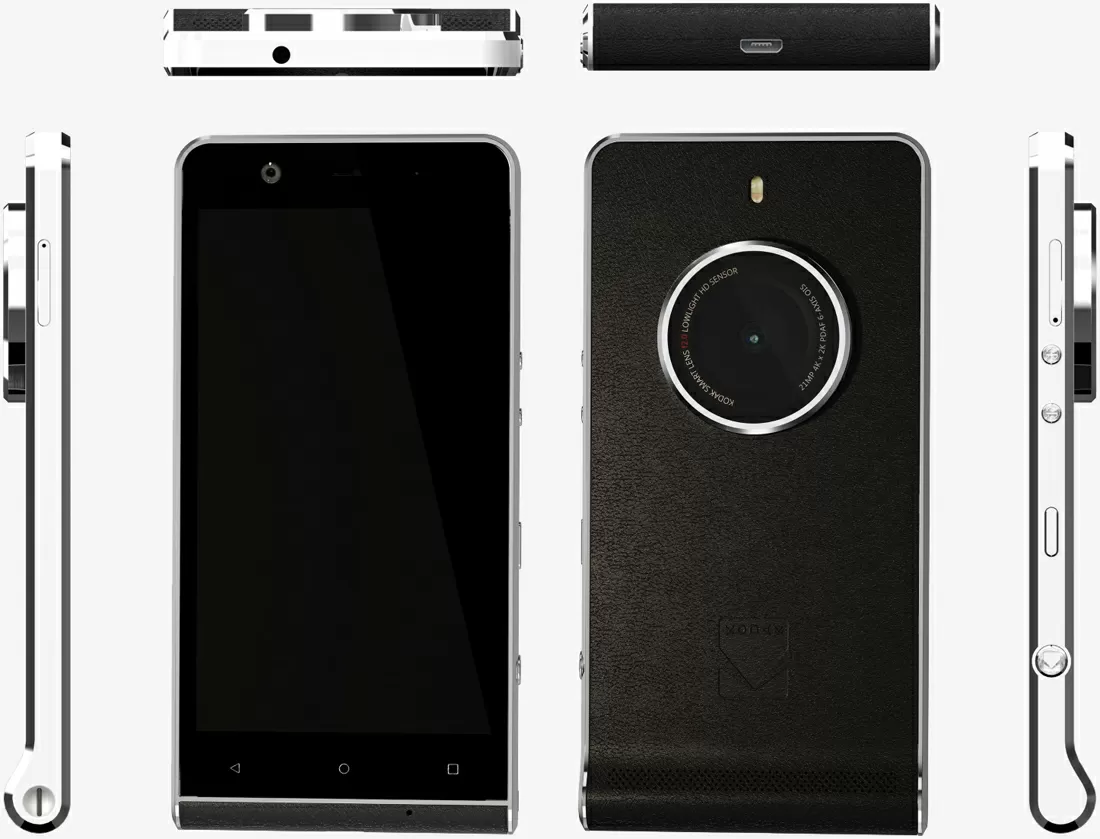
Kodak emerged from bankruptcy in 2013, refocused on commercial printing, packaging, and licensing. It has since dabbled in everything from smartphones to cryptocurrency, and was even a manufacturer of pharmaceutical ingredients during the pandemic before controversy and investigations halted it.
Kodak has found a surprising amount of success as a fashion brand in overseas markets. There are 120 brick-and-mortar stores dedicated exclusively to selling Kodak-branded apparel in South Korea alone. But it hasn't been enough to prevent the company's struggles.
Image credits: Tim Mossholder, Museums Victoria