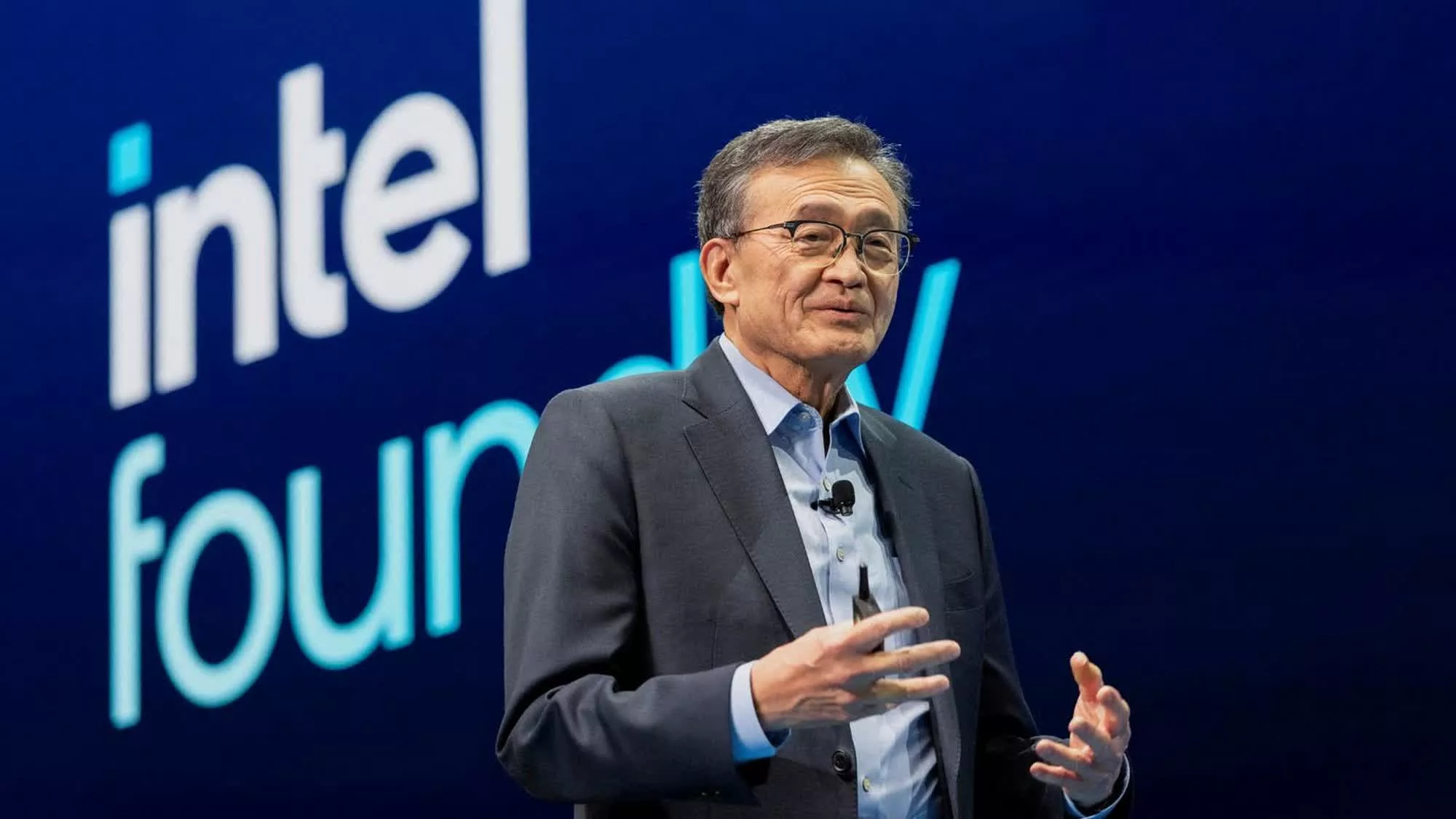
What just happened? Intel shares have received a boost after SoftBank agreed to invest $2 billion into the beleaguered US giant, with the Japanese firm expected to take a 2% stake in the business. It comes amid reports that the US government is considering buying a stake of 10% in Intel.
The two firms announced the deal last night, stating that it will deepen their commitment to investing in advanced technology and semiconductor innovation in the United States.
Masayoshi Son, Chairman & CEO of SoftBank, said that Intel has been a trusted leader in innovation for the last 50 years. "This strategic investment reflects our belief that advanced semiconductor manufacturing and supply will further expand in the United States, with Intel playing a critical role," he said.
Intel boss Lip-Bu Tan said the deal will deepen Intel's relationship with SoftBank, and that he appreciated the confidence that Masayoshi Son was placing in Team Blue.
Under the terms of the agreement, SoftBank will pay $23 per share of Intel common stock. The transaction is subject to customary closing conditions.
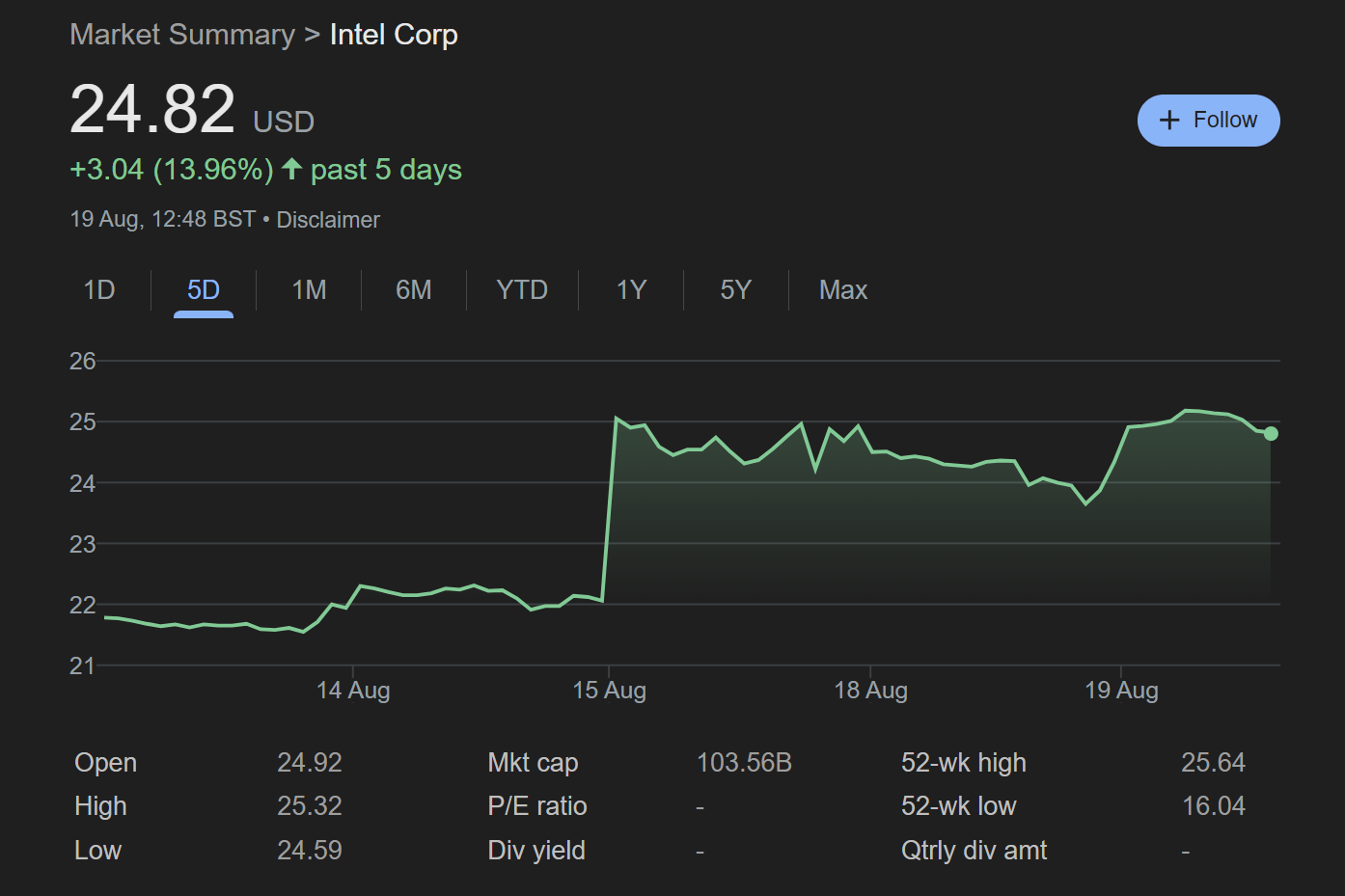
Intel's share price has jumped from $22.06 on Friday to a high of $25.18, an increase of 14%.
SoftBank already owns fabless chip designer Arm, having paid around $32 billion for the UK firm in 2016. Its latest investment will not only be a vote of confidence for under-pressure Tan, but also Intel itself, which has been struggling for a long time now.
News of SoftBank's investment comes amid reports that the Trump administration is in talks to take a 10% stake in Intel by converting some or all of its Chips Act grants into equity. If it happens, a 10% share would make the US government Intel's largest shareholder, surpassing asset management firm Vanguard Group, which holds an 8.9% share. It should also ensure Intel doesn't back down on its commitments to develop chip manufacturing plants in the US and could even see the US government influence Intel's direction.
It's been an eventful couple of weeks for Intel. The company seemed to be facing one problem after another when its credit rating was slashed to two steps above junk status and its 18A process was hit by low yields and quality issues.
Concerns grew when US Republican Senator Tom Cotton sent a letter to Intel's board of directors to express "concern about the security and integrity of Intel's operations and its potential impact on US national security." This was a reference to Tan's $200 million+ worth of investments in Chinese chip companies, some of which have ties to the country's military.
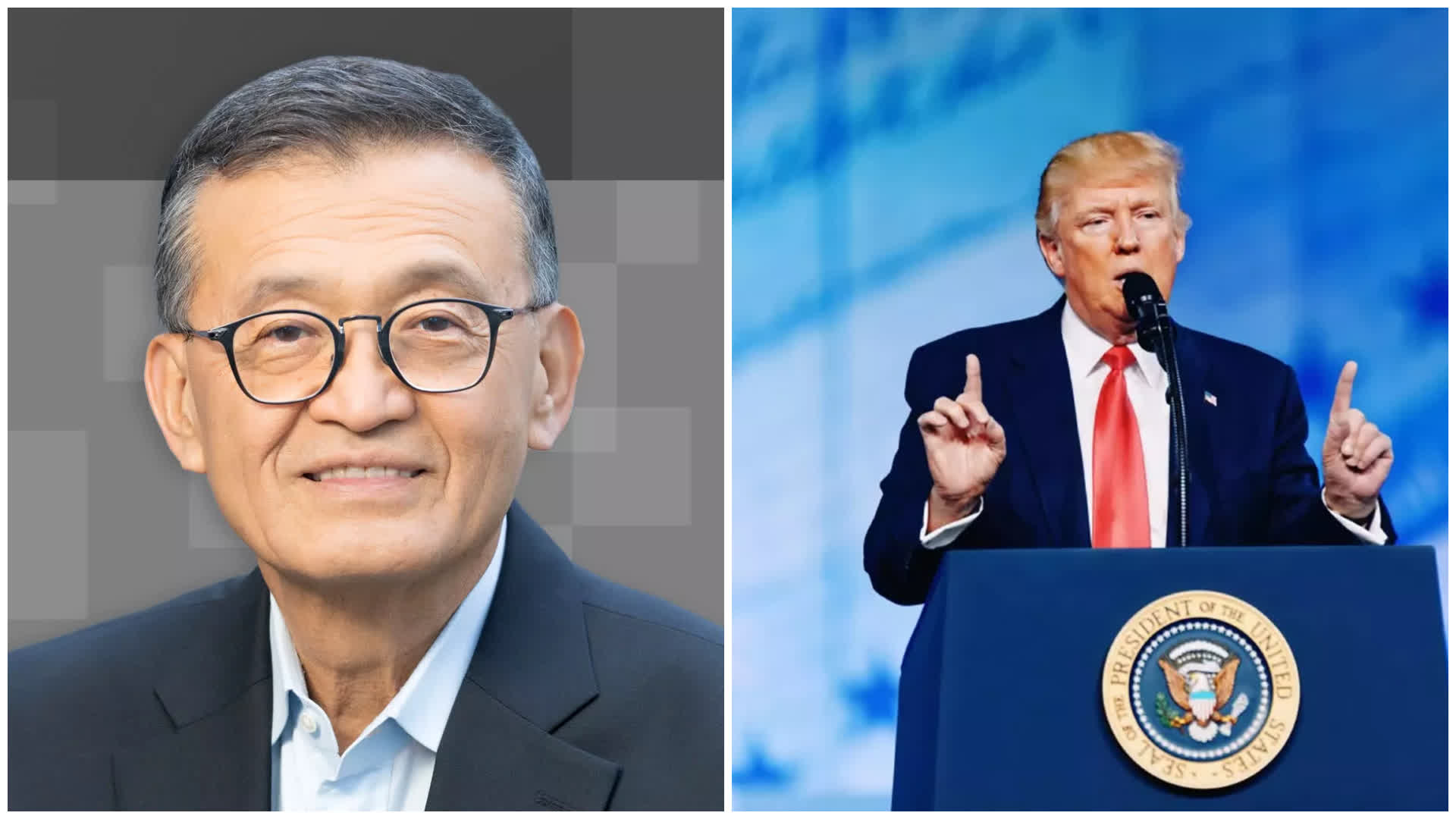
The letter led to Trump calling for Tan's resignation, but a week later, the president changed his tune in a post praising Tan and all he had achieved. Trump added that he had a "very interesting" meeting with Tan, also attended by Secretary of Commerce Howard Lutnick and Secretary of the Treasury Scott Bessent.