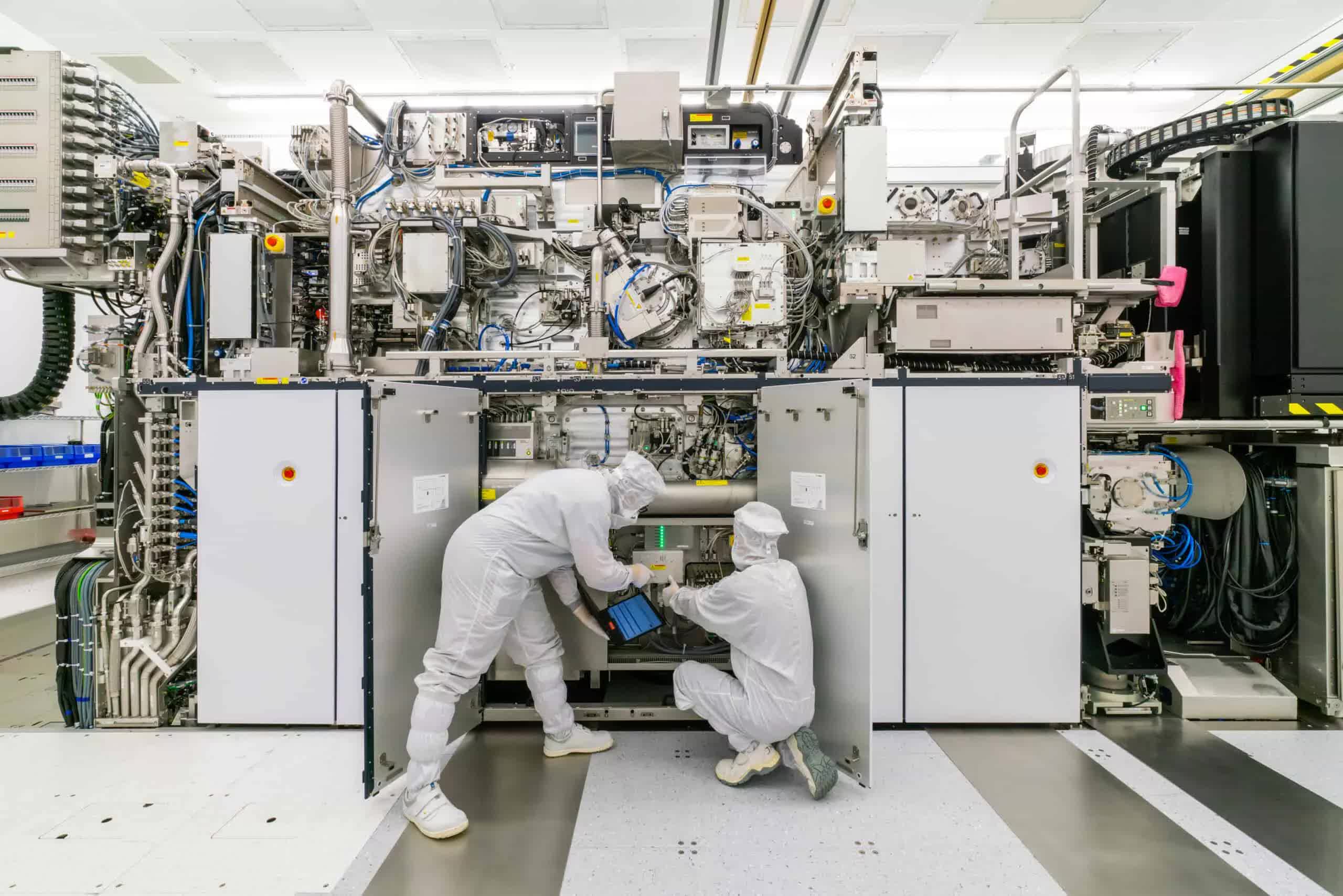
Cutting corners: Reports that a covert Chinese laboratory had successfully reverse-engineered an EUV machine – the crown jewel of ASML's chipmaking technology – sent shockwaves through the semiconductor community. A deeper analysis, however, paints a far less dramatic picture: the prototype is a nonfunctional patchwork of scavenged components, not an operational system capable of manufacturing chips.
According to a report from Tom's Hardware, China's so-called "Frankenstein" EUV scanner was assembled from mismatched parts sourced through various channels, potentially including surplus equipment sales and online spare-parts markets. The alleged prototype has yet to produce a single chip.
At the core of this challenge is the extraordinary complexity of EUV lithography. ASML's Twinscan NXE platform is not built from a single schematic that could be stolen or copied – it is the product of decades of cooperative R&D spanning thousands of suppliers across the United States, Europe, and Japan. Each company contributes proprietary components: precision optics, vacuum systems, control software, and diagnostic tools, that together form one of the most intricate manufacturing ecosystems in existence.
Among those critical suppliers is Cymer, a US-based company ASML acquired in 2012, which produces the EUV light source. Cymer's system relies on a CO₂ laser-produced plasma that generates 13.5-nanometer radiation. It includes the tin droplet generator, laser targeting unit, debris mitigation unit, and collector mirror assembly.
Even if the hardware could be physically replicated, proprietary software is essential to keep the system running for high-volume manufacturing, a level of integration that no outside entity has achieved.
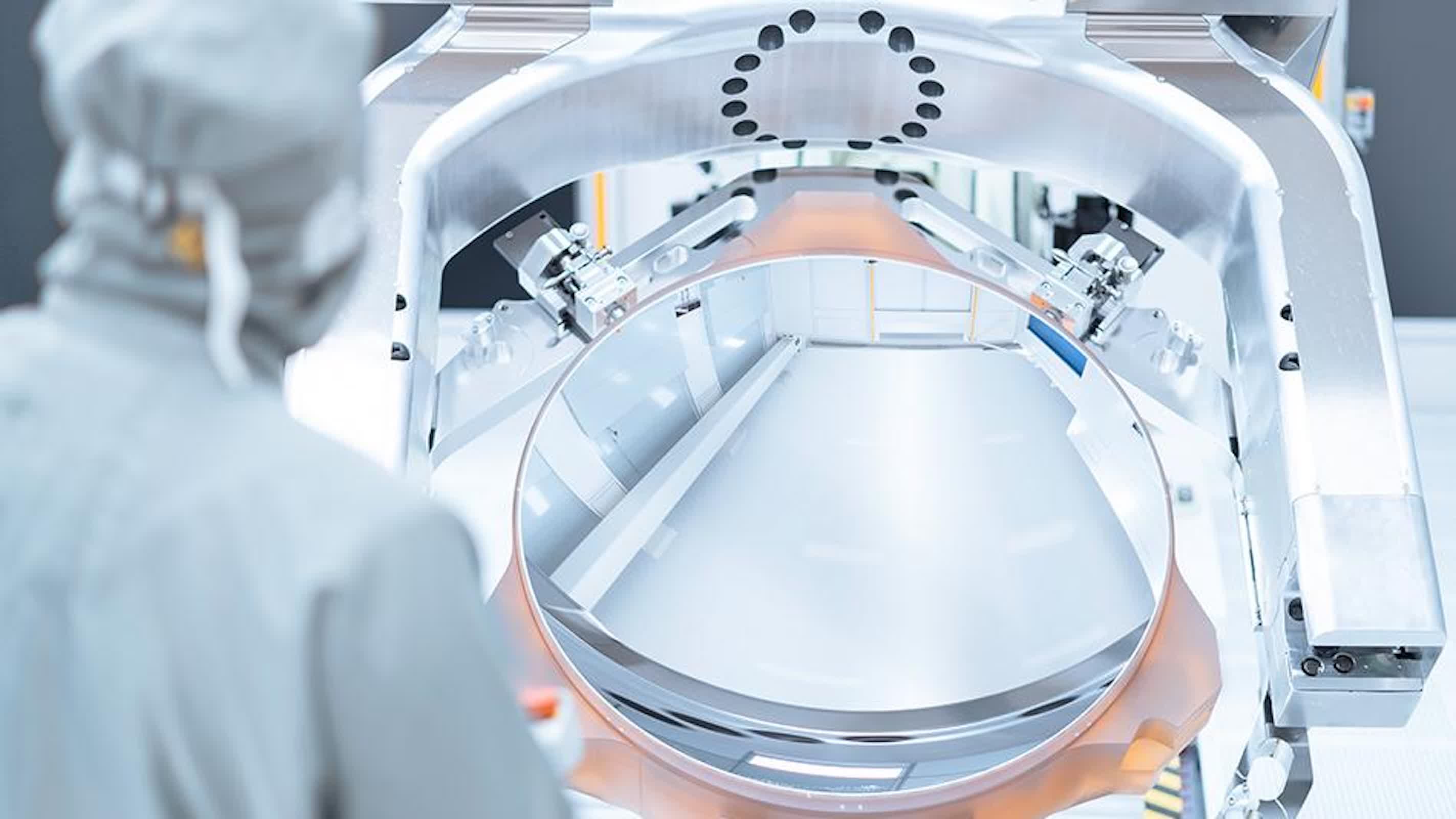
Adding to the difficulty are the optics. Every EUV system depends on Carl Zeiss' multilayer molybdenum-silicon mirrors, which must reflect extreme ultraviolet light without significant absorption losses. Each mirror requires atomically precise coatings and sub-nanometer wavefront accuracy. Zeiss is the only company in the world capable of producing these optics, and reproducing them would take years of advances in materials science and metrology.
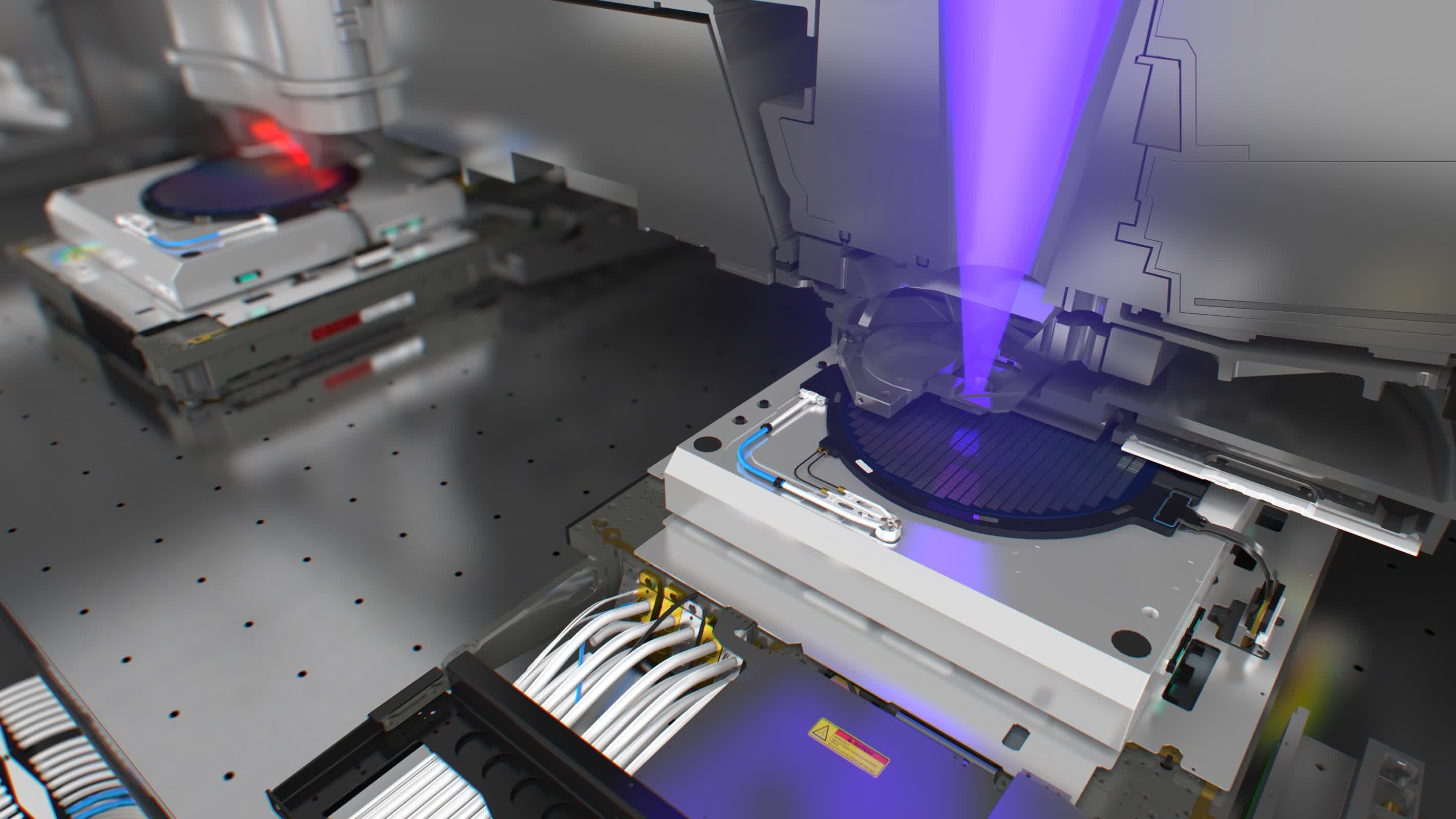
ASML's engineering challenge goes far beyond assembling individual components. The company coordinates thousands of proprietary subsystems: motors, stages, sensors, and control electronics, into a machine that must maintain nanometer-scale accuracy at high throughput.
Much of this know-how resides in human expertise distributed across ASML's network of partners and research institutions such as imec, which no longer collaborates with Chinese customers due to export controls. Even with access to secondhand equipment, rebuilding that network is nearly impossible.
Still, China's chipmakers have found partial workarounds. Firms such as SMIC have reportedly upgraded older ASML deep ultraviolet (DUV) scanners by acquiring refurbished modules and performance data from secondary markets. These modifications have extended the lifespan of DUV tools and marginally improved yields at advanced process nodes. Yet none of these efforts approach the capabilities of a modern EUV platform, which remains tightly controlled by Western export restrictions.
There have also been rumors that a Cymer EUV source was intercepted during transit and reverse-engineered in a covert Chinese lab. But even if individual components were acquired, Tom's Hardware notes that such efforts are unlikely to produce a working system. Without the integrated software and supplier collaboration that make EUV viable, the hardware alone is effectively inert.