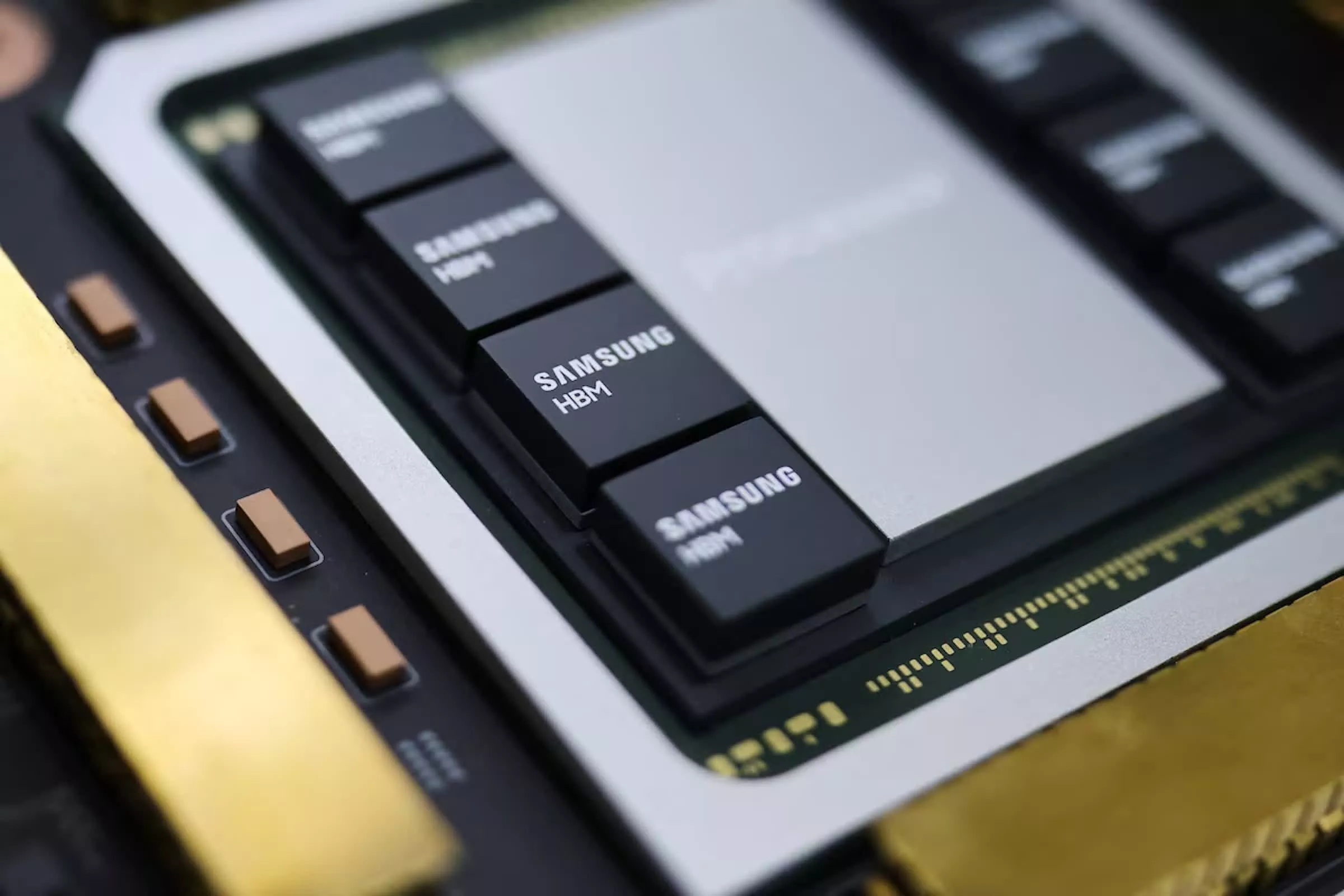
In a nutshell: Samsung Electronics entered 2026 with renewed momentum in the memory market, signaling growing customer confidence in its next-generation high-bandwidth memory, known as HBM4. In a New Year's address reviewed by Reuters, the company's chip chief and co-CEO, Jun Young-hyun, said customers have praised the performance of the new chips, adding that "Samsung is back."
The comments come as Samsung works to regain its competitive edge in the artificial intelligence hardware market, a segment recently dominated by rival SK Hynix.
In October, Samsung confirmed it was in "close discussions" with Nvidia to supply HBM4 components – a significant development as the US AI leader expands procurement of high-performance memory for training and inference workloads. HBM4 chips are expected to deliver faster data transfer rates and improved power efficiency.
Jun said the positive reception reflects Samsung's improving market position but acknowledged that more work remains to strengthen the product's competitiveness. He also described the company's foundry business as being "primed for a great leap forward" following new production contracts with global customers. One of those deals was a $16.5 billion agreement signed in July with Tesla.

Across South Korea's chip industry, however, 2026 is shaping up to be a year of heightened competition. SK Hynix CEO Kwak Noh-Jung told employees that strong demand for AI chips arrived faster than anticipated last year, boosting the company's sales, but warned that this year's environment would be "tougher than last year."
He said AI growth is now a base assumption rather than a pleasant surprise, adding that continued "bolder investment and effort" will be required to prepare for the industry's next phase.
Data from Counterpoint Research shows that in the third quarter of 2025, SK Hynix held a commanding 53 percent share of the HBM market, followed by Samsung at 35 percent and Micron at 11 percent.
In a separate address, Samsung co-CEO TM Roh, who leads the company's device experience division encompassing smartphones, TVs, and appliances, cautioned that the broader operating environment is growing more uncertain. He cited rising component prices and global tariff barriers as emerging risks that could challenge profitability across divisions.
Even as the AI hardware race accelerates, both Samsung and SK Hynix face a year that will test whether their heavy investments in high-performance memory and advanced fabrication can secure long-term leadership in the global chip landscape.
Image credit: Reuters