Rising AI demand pushes up prices for DRAM, NAND, SSDs, and HDDs
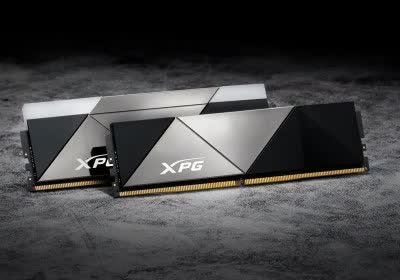
The big picture: Multiple manufacturers have recently frozen or hiked memory and storage prices as demand from AI data centers surges, and executives warn the situation may get worse before it gets better. Across the industry, AI and cloud giants are displacing traditional memory makers, while DDR4 RAM – once the backbone of PCs and servers – is slowly being phased out. The result is a perfect storm that's upending supply chains and reshaping the economics of the memory market.
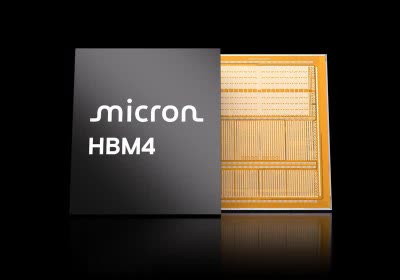
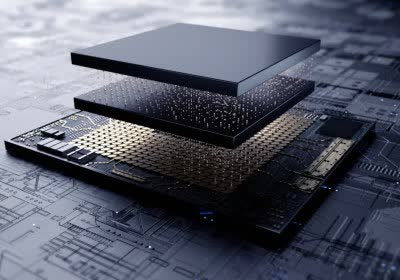
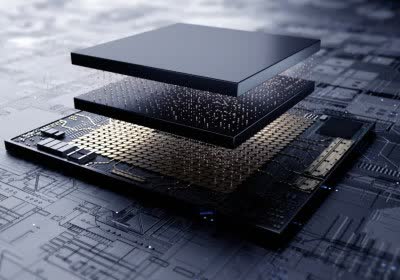
The new chips double the bandwidth with 2,048 input/output terminals
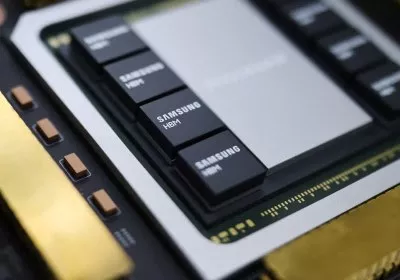
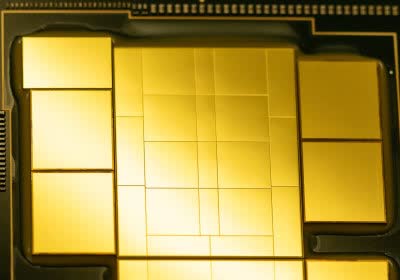
What just happened? SK hynix is preparing to begin mass production of its HBM4 chips, marking a major step forward in memory technology tailored for AI data centers. The South Korean company has completed its internal review and developed faster, more energy-efficient memory that meets rising industry demand. As global AI adoption accelerates, the need for high-speed, power-efficient components to support the expanding data center market continues to grow.
Forward-looking: SanDisk introduced its High Bandwidth Flash solution earlier this year, vowing to bring unprecedented capabilities to the NAND Flash market. Now, the US corporation is working with South Korean foundry SK Hynix to try to turn the HBF dream into reality.
The AI craze has made some companies very, very rich
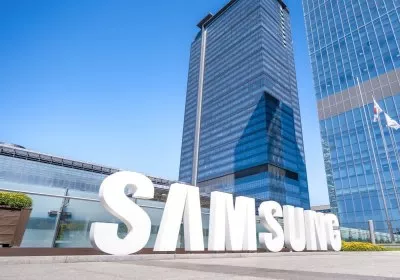
AI Money: While shareholders and tech giants scramble to turn AI's promises into real-world business opportunities, semiconductor companies are raking in billions. Samsung has emerged as the world's top semiconductor player by revenue, and the industry is poised for another strong year.
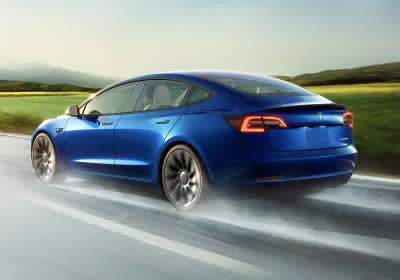
In a nutshell: Tesla finds itself at the forefront of a heated competition between South Korean semiconductor giants Samsung and SK Hynix. The electric vehicle manufacturer has reportedly reached out to both companies, seeking samples of their upcoming HBM4 memory chips.