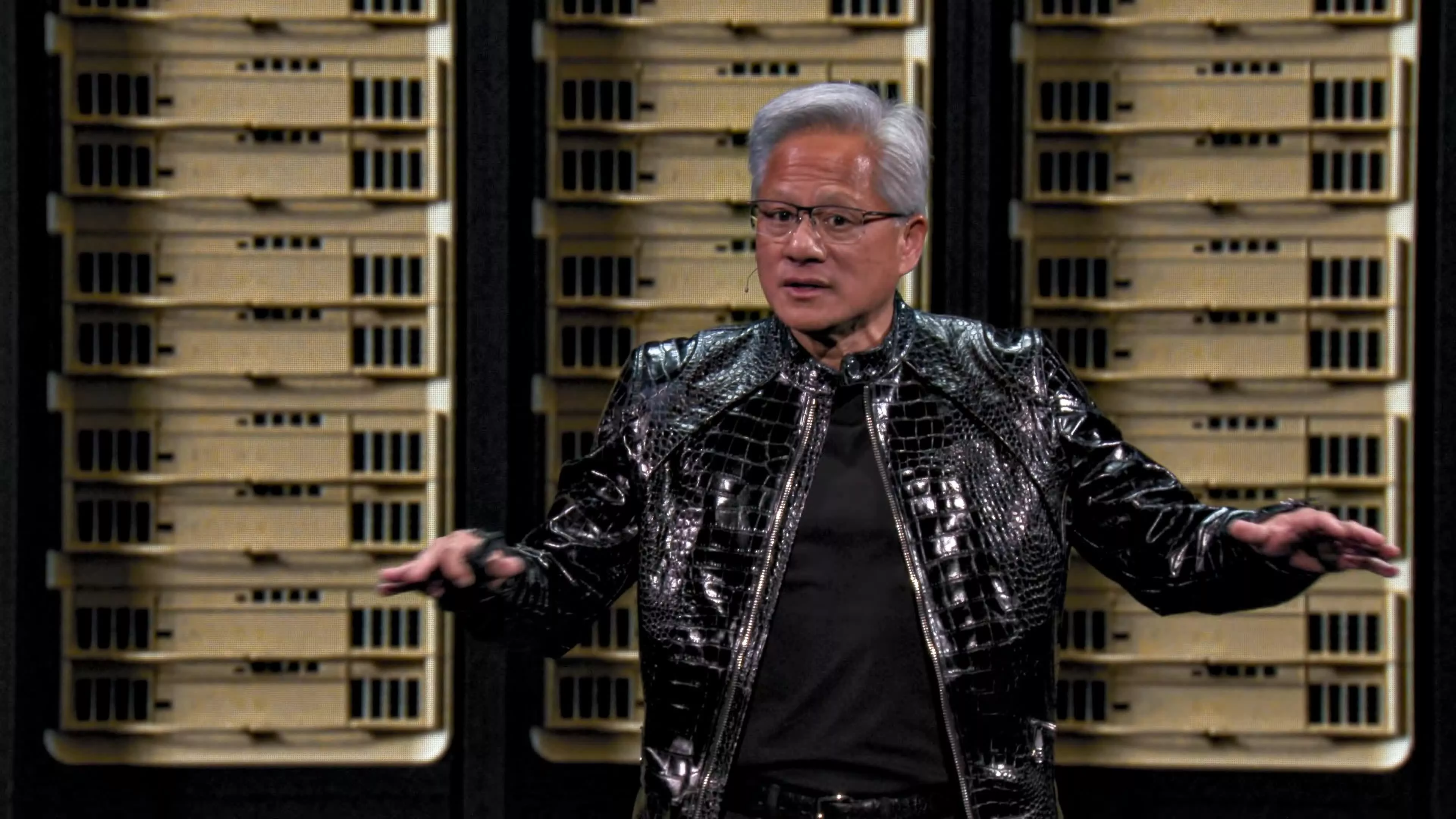
Looking ahead: Nvidia kicked off the year with an unusual move: unveiling its next-generation AI computing architecture months ahead of schedule. At CES 2026 in Las Vegas, CEO Jensen Huang used his keynote to introduce the company's Vera Rubin server systems – a clear signal that Nvidia intends to press its advantage as demand for ever-larger AI models accelerates.
The Rubin launch, now slated for mid-2026 availability, marks a shift in Nvidia's traditional rollout cadence. The company typically reserves major chip announcements for its spring developer conference, but Huang said the pace of AI development is forcing the entire semiconductor industry to move faster.
"The amount of computing necessary for AI is skyrocketing," Huang told the audience. "The race is on for AI. Everyone is trying to get to the next frontier."
Nvidia claims the Rubin GPU delivers roughly five times the training compute of Blackwell.
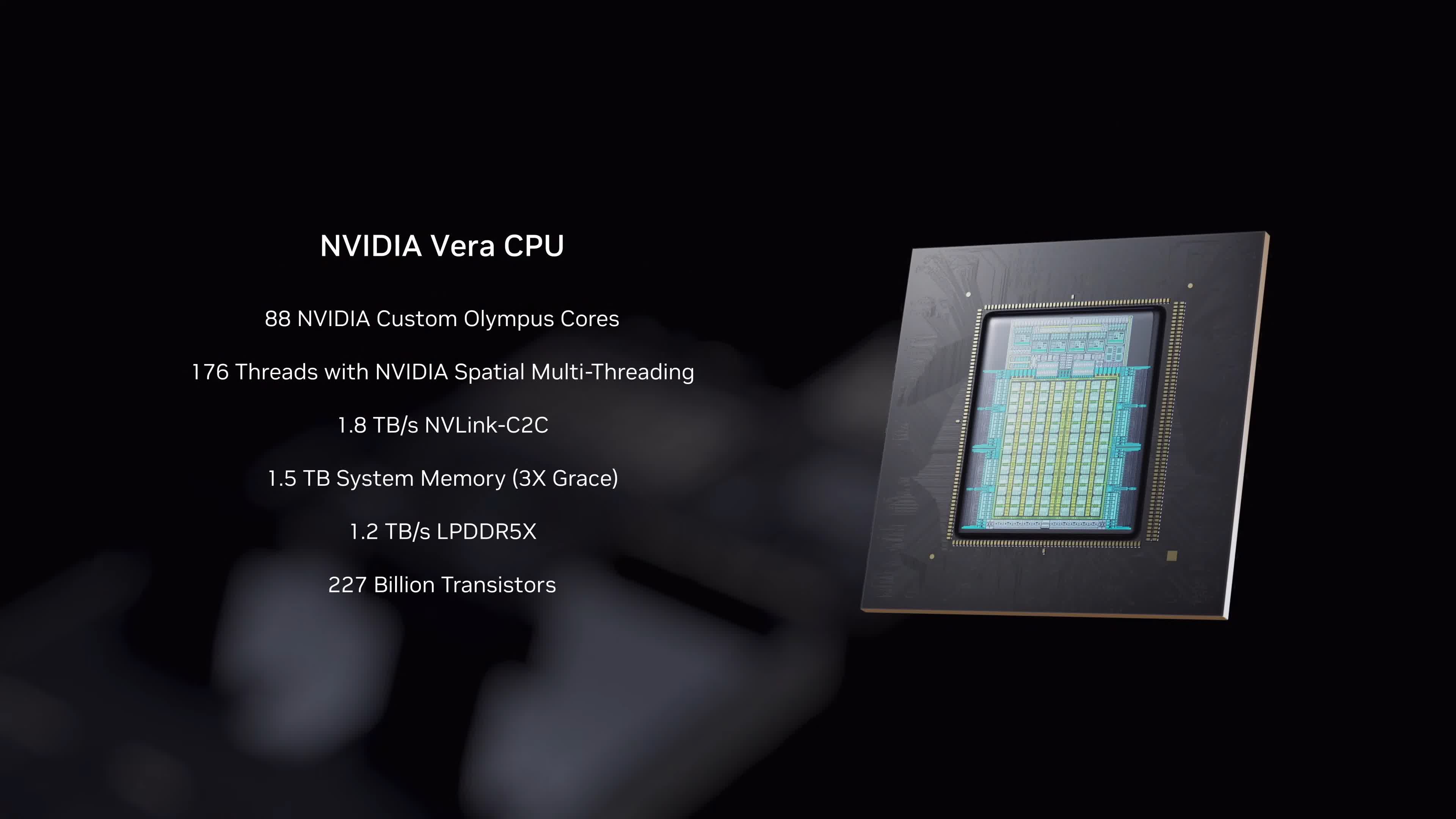
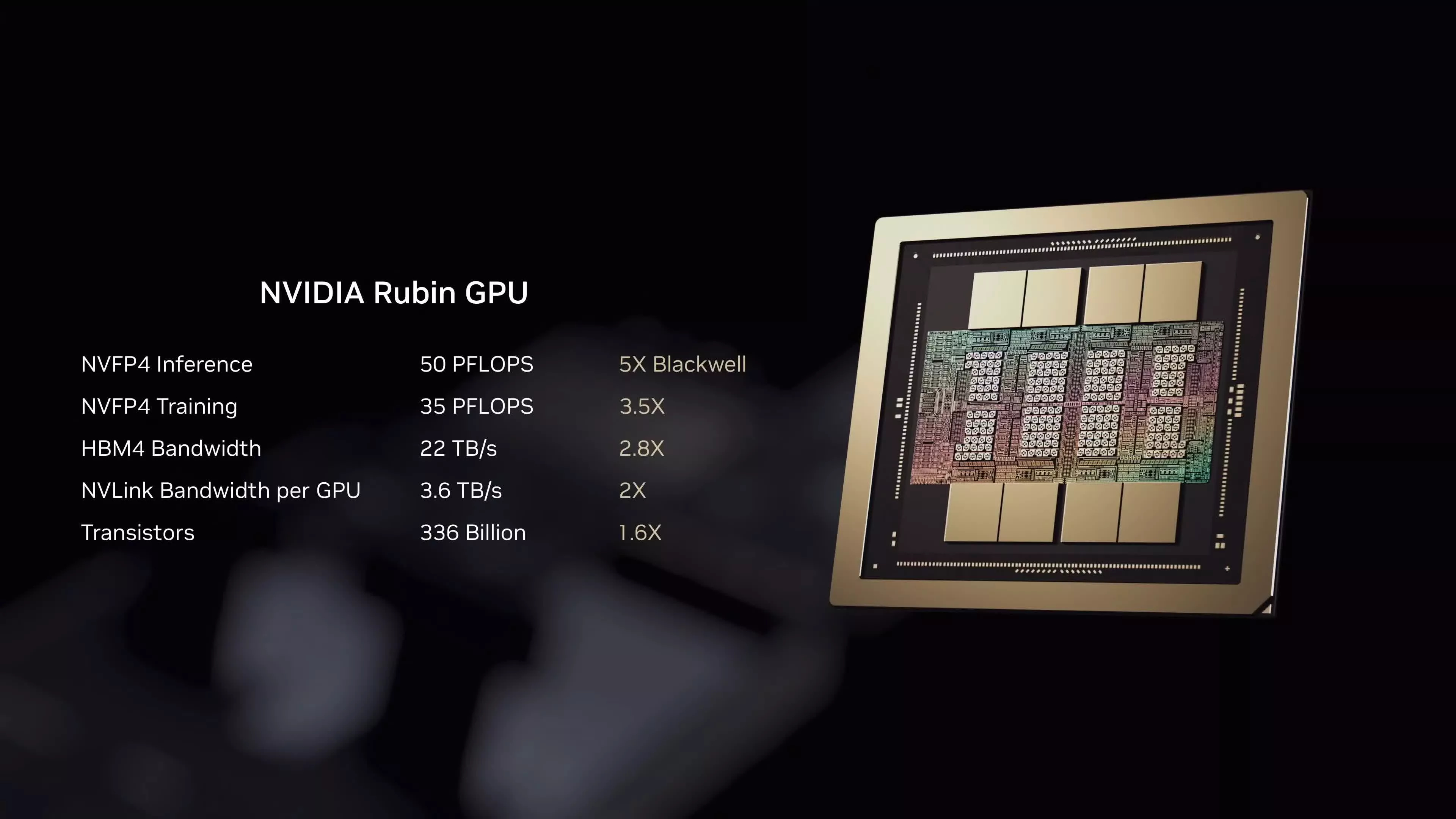
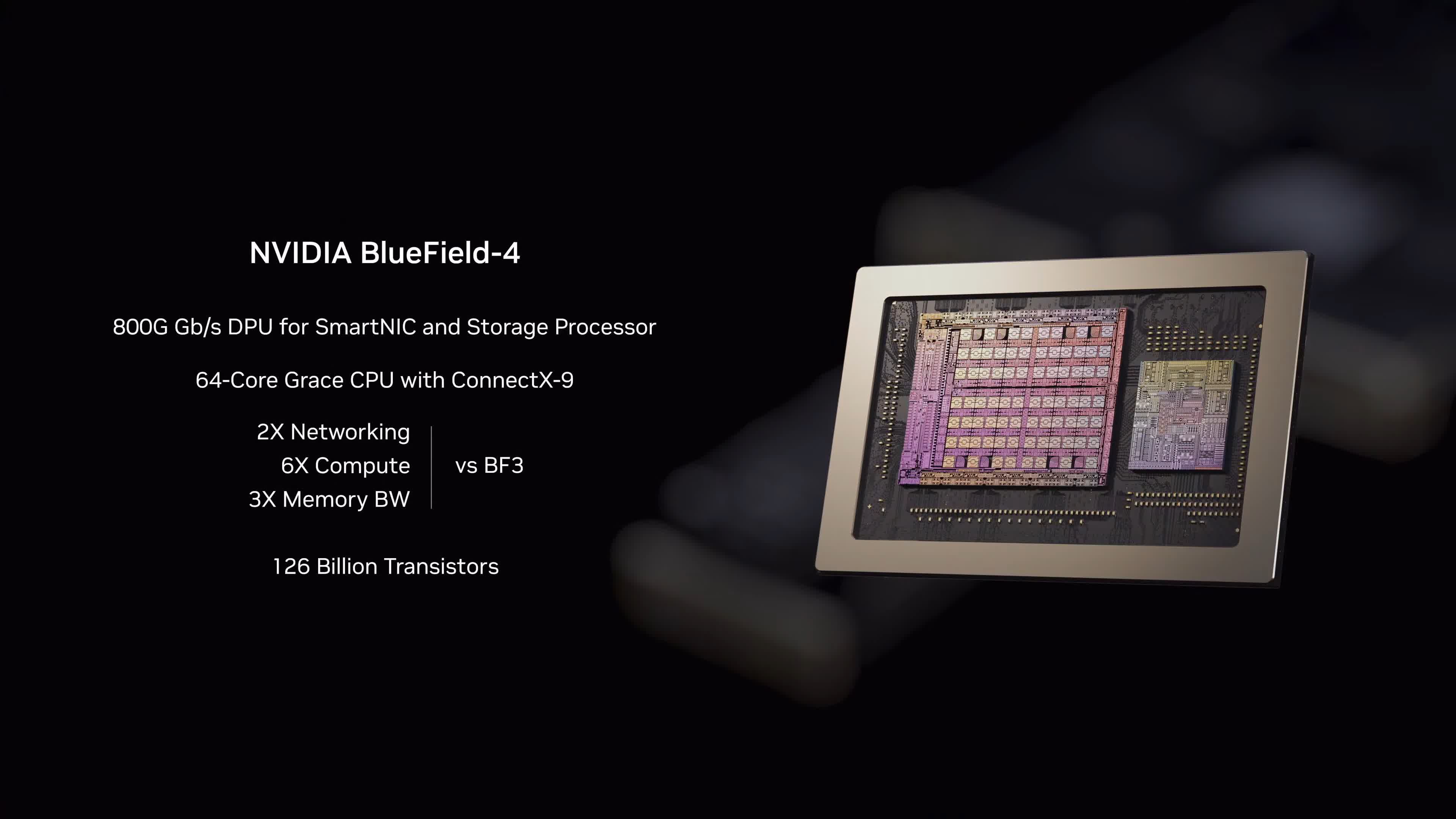
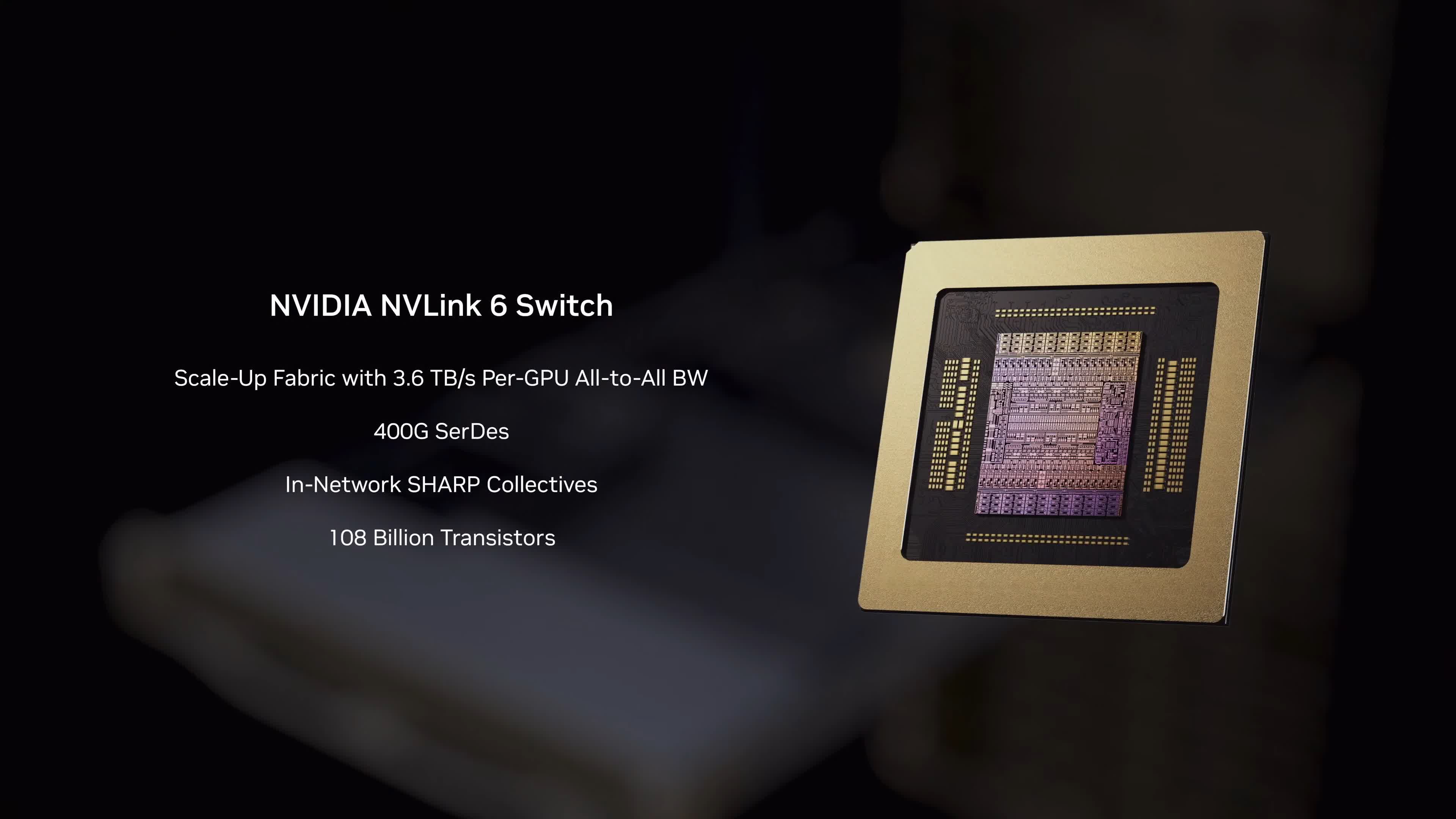
Vera Rubin represents Nvidia's largest architectural leap since the Blackwell generation. Rather than a single chip, the platform is built around a tightly integrated system of six components: the Vera CPU, Rubin GPU, a sixth-generation NVLink switch, ConnectX-9 networking, the BlueField-4 data processing unit, and the Spectrum-X 102.4-terabit-per-second co-packaged optical interconnect. Nvidia executives describe the result as "six chips that make one AI supercomputer."
Each part is designed to reduce bottlenecks across both AI training and inference. Nvidia claims the Rubin GPU delivers roughly five times the training compute of Blackwell. When applied to large mixture-of-experts models – now a standard approach for frontier-scale systems – the company says Rubin can match Blackwell's training time using one-quarter the number of GPUs and at roughly one-seventh the cost per processed token.
Huang framed the architecture as a response to deeper shifts in how AI workloads are evolving, particularly around inference. In his view, inference is no longer a simple pattern-matching task, but a "thinking process," as models increasingly need to reason over long sequences, multiple data types, and real-world context.
That idea feeds into Nvidia's broader vision of simulation-driven AI, where virtual environments train systems to operate in the physical world.
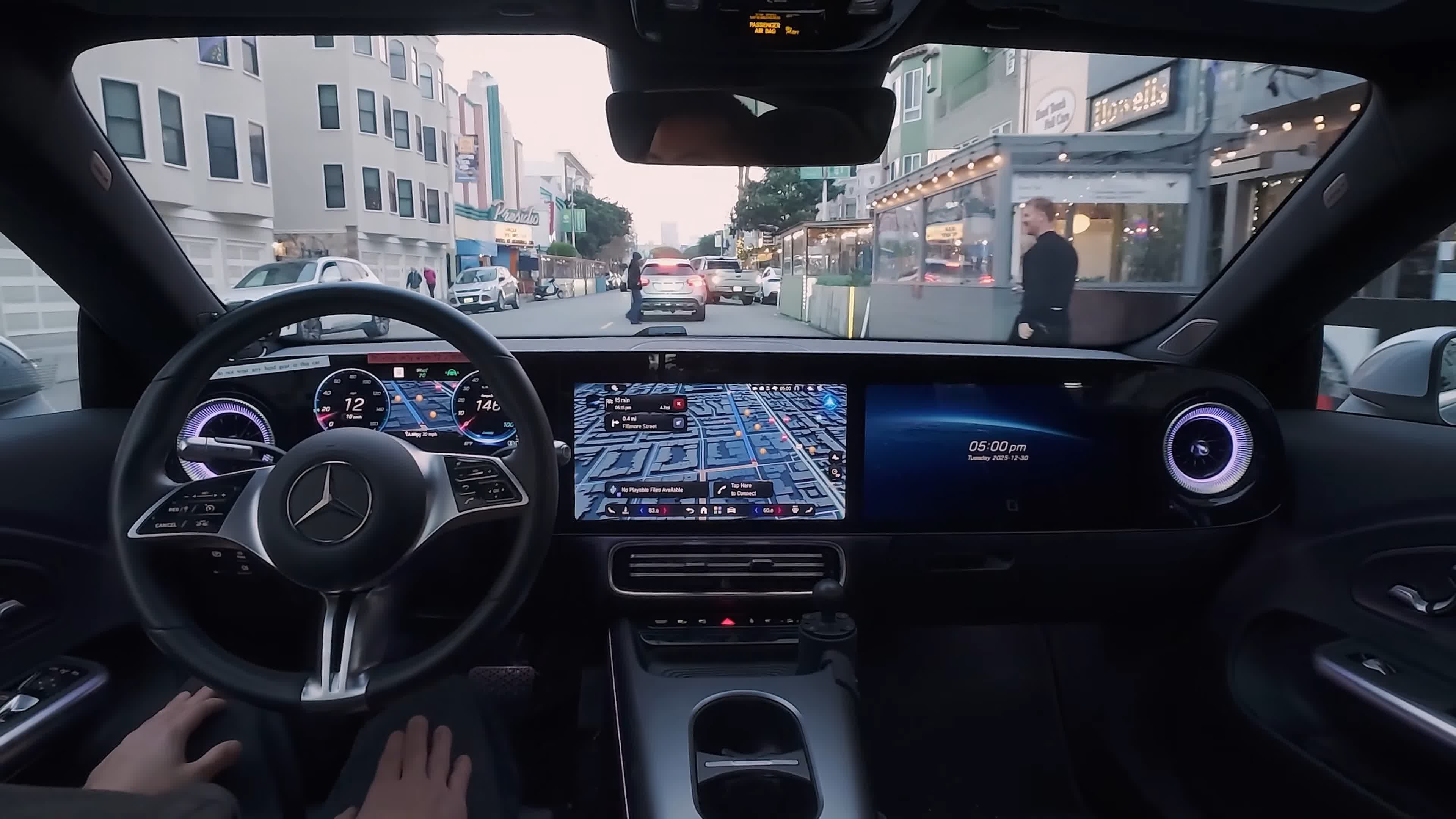
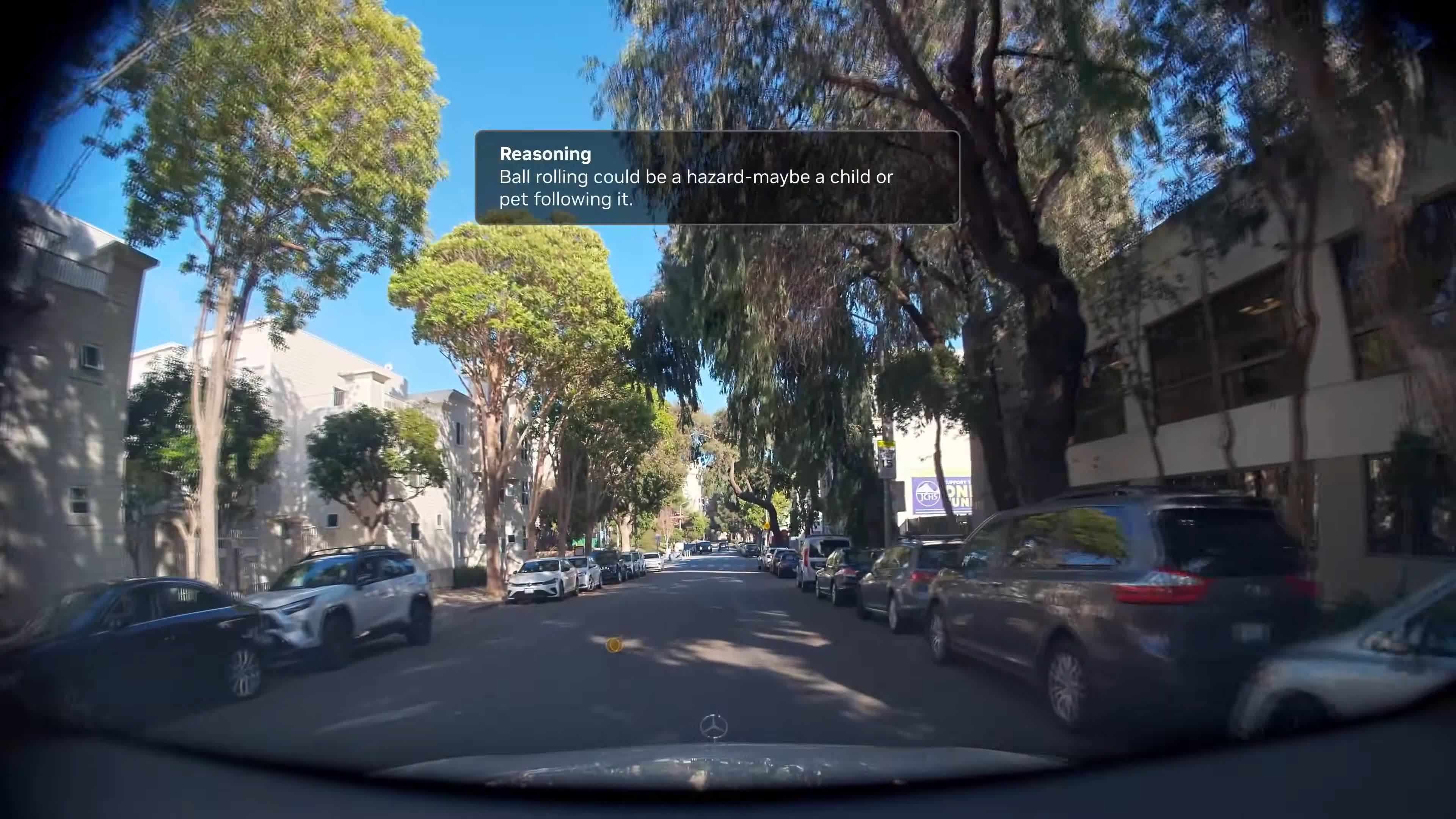
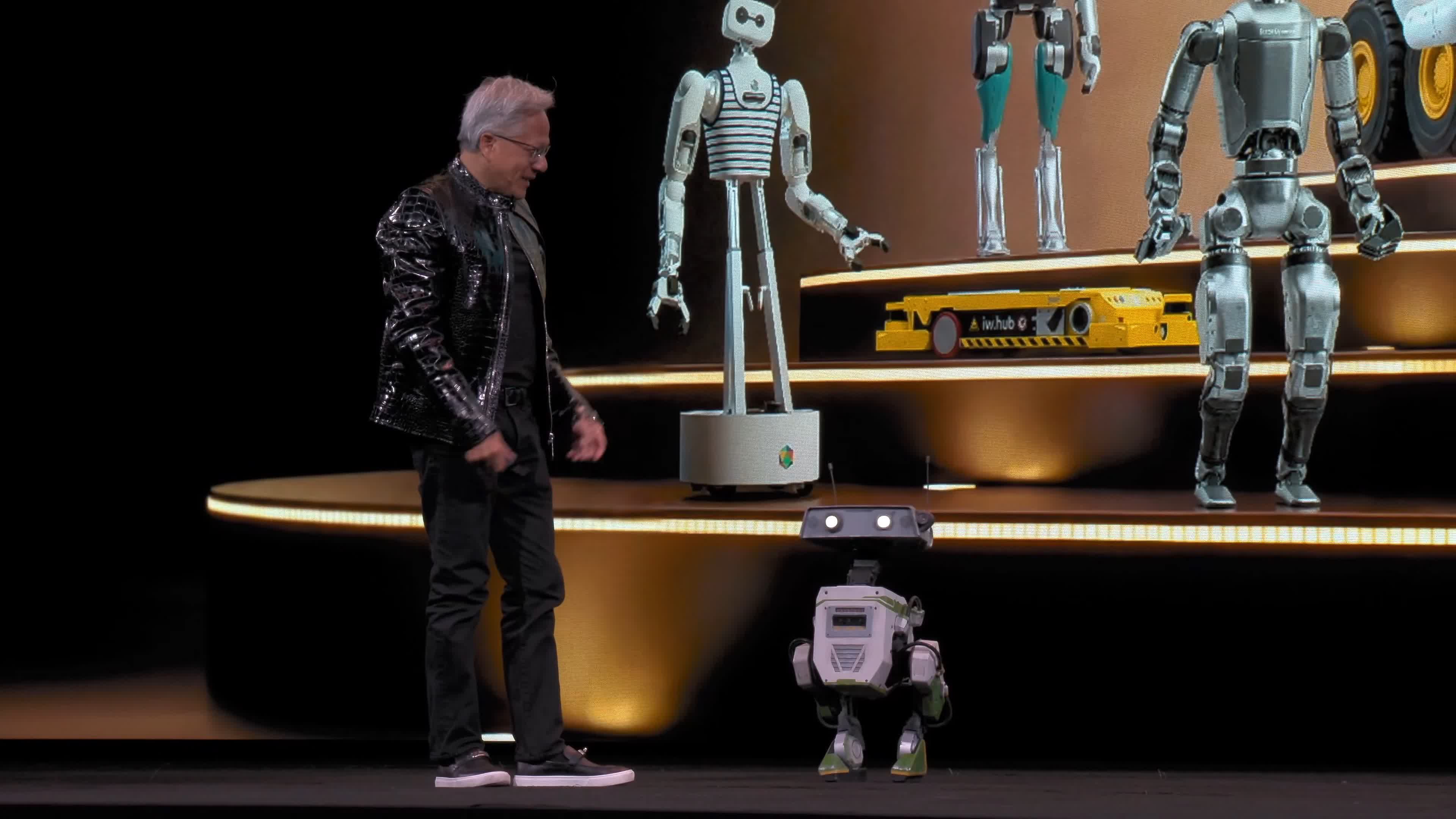
The Vera Rubin platform is designed to support the massive compute and memory demands of these workloads, especially for robotics, autonomous vehicles, and digital twins. Huang said Nvidia's goal is to deliver "the entire stack," from silicon to networking to software, so developers can focus on building applications rather than stitching infrastructure together.
The announcement also underscores how far Nvidia has expanded beyond GPUs alone. With Rubin, the company has fused compute, networking, memory, and security into a single rack-scale platform, aiming to eliminate the bottlenecks that increasingly define AI performance. Huang argued that this level of integration effectively positions Nvidia as both the world's largest networking hardware company and the top chipmaker for AI computing.
For inference tasks, Rubin promises a 10-fold cost reduction compared with Blackwell, according to Nvidia. The platform supports third-generation confidential computing and will be the first rack-scale trusted computing system upon full deployment.
The early unveiling follows Nvidia's record data center revenue, which rose 66% year-over-year in the last quarter, driven largely by demand for Blackwell and Blackwell Ultra GPUs.
That success has set high expectations for Rubin. Analysts view the ahead-of-schedule announcement as a signal that development and manufacturing remain on track, and that Nvidia intends to move quickly as the next wave of AI infrastructure spending ramps up.