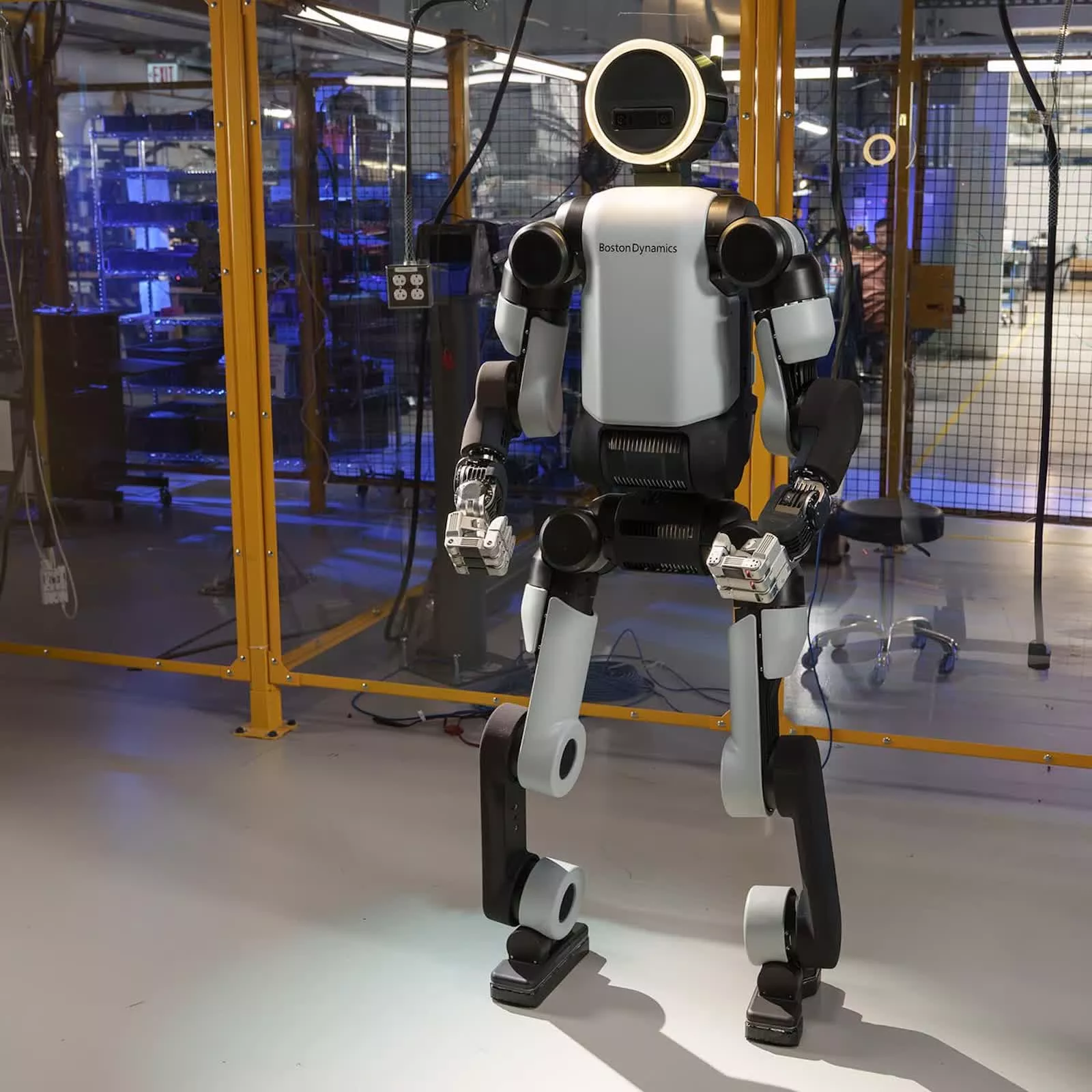
Something to look forward to: Google DeepMind and Boston Dynamics have announced a partnership that could reshape the capabilities of humanoid and quadruped robots. The collaboration will integrate DeepMind's Gemini Robotics model into Boston Dynamics' machines, including the humanoid Atlas and the robotic dog Spot, equipping them with the intelligence needed to move, perceive, and operate in complex physical environments.
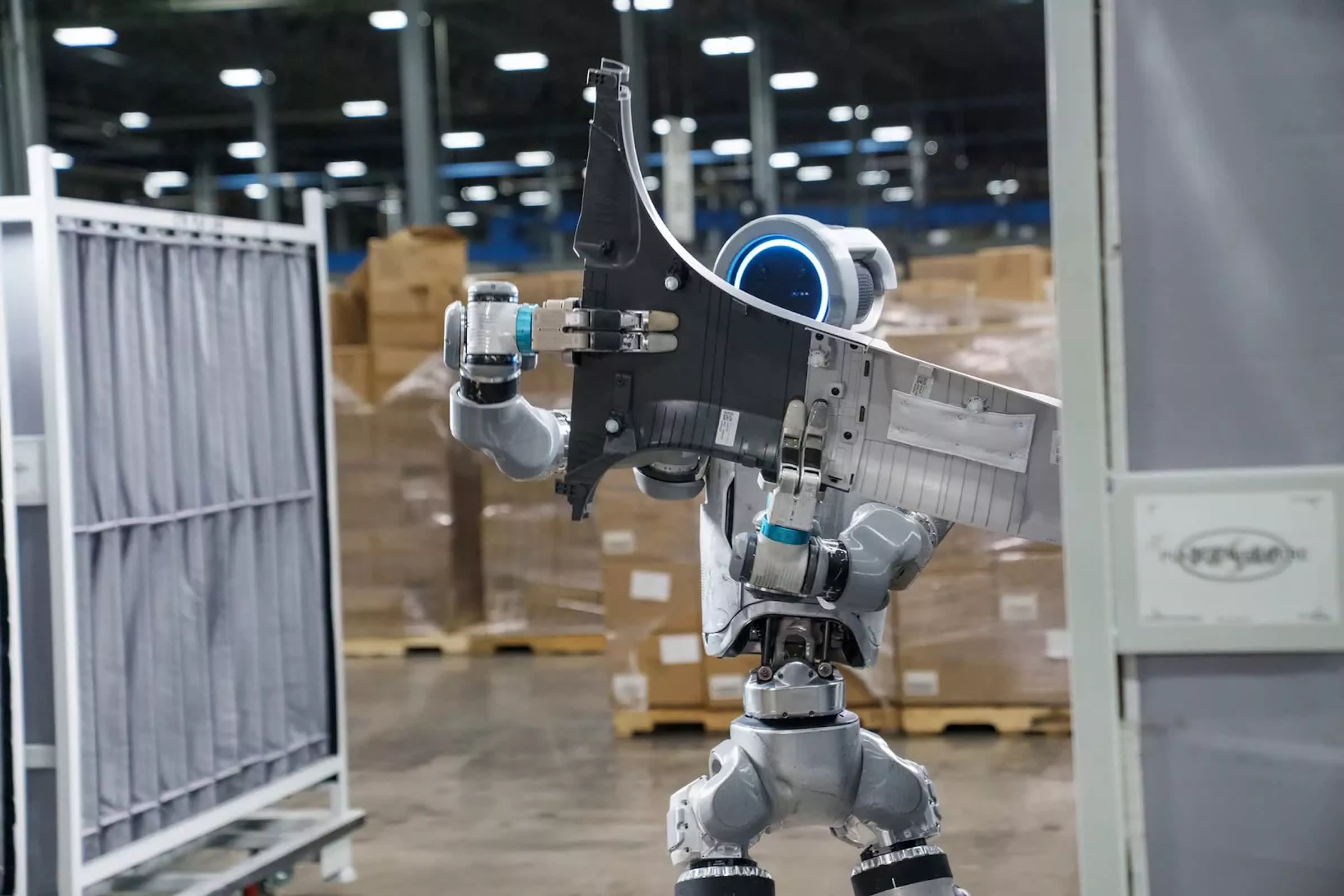
Testing is set to begin soon at Hyundai automotive factories, where Gemini-powered Atlas robots will attempt a range of manufacturing tasks. The trials signal how rapidly robotics is moving toward systems that can learn and adapt in real-world settings, rather than relying solely on preprogrammed routines.
Boston Dynamics CEO Robert Playter told Wired that the goal is to create robots with a form of situational comprehension and manual dexterity still largely beyond today's machines. "The real value going forward is for our robots to be contextually aware of their environment and able to use their hands to manipulate any object," Playter said. "And we think manufacturing environments, like in Hyundai factories, are a perfect place to deploy that today."
Atlas already showcases physical sophistication – it can perform acrobatics and dance routines – but its intelligence has been limited to scripted performances.
Integrating the multimodal Gemini model could allow it to interpret sensor data, identify and handle irregularly shaped objects, and plan movements in unstructured settings. That shift, researchers hope, will mark a step toward physical intelligence that mirrors human adaptability.
Boston Dynamics has spent decades pushing robotic design forward, from early military pack bots to agile humanoids, moving between corporate owners that include Google, SoftBank, and now Hyundai. The new partnership reunites the company with its former parent.
Carolina Parada, senior director of robotics at Google DeepMind, said Gemini's architecture is designed for exactly this kind of application. "Google DeepMind's robotics focus is building advanced AI that can power general-purpose robots," she explained. "Automotive is a great place to start, but certainly our intention is to continue expanding to more and more applications."
Unlike earlier generations of specialized robots confined to repetitive tasks, Gemini-enabled systems could continuously learn from their surroundings. Data gathered by Boston Dynamics' robots will, in turn, refine Gemini's performance and strengthen its understanding of physical interactions.
Adding intelligence to industrial robots also raises new safety questions. Parada said that Gemini will add another layer of precaution by reasoning about its actions to prevent hazardous behavior. Playter agreed that maintaining safety standards is essential as robots gain autonomy: "Even the little ones can be dangerous," he said.
Competition in the humanoid space is intensifying. More than a dozen US companies, including Agility Robotics, Figure AI, Apptronik, 1X, and Tesla are developing systems designed for general-purpose labor. In China, industry trackers report that roughly 200 firms are now building humanoid robots.
Many AI developers, including OpenAI and Tesla, view close interaction with the physical world as the next requirement for achieving more generalized machine intelligence.
For DeepMind, the Boston Dynamics collaboration demonstrates its strategic shift away from pure software toward embodied AI. Rather than building its own robots, DeepMind CEO Demis Hassabis has said he envisions the Gemini model serving as a foundational platform for many manufacturers – much like Android runs across numerous smartphone brands.