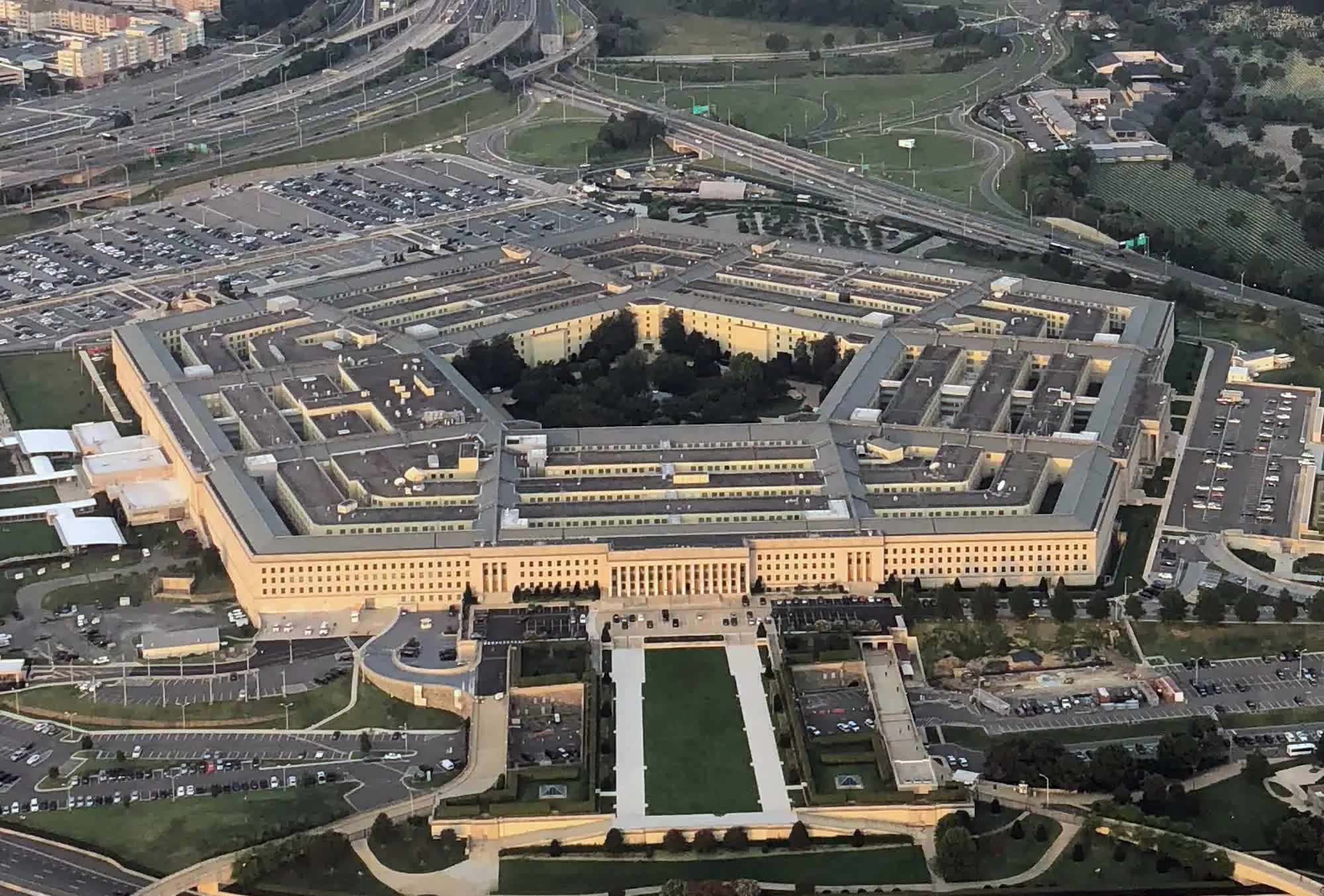
What just happened? Defense Secretary Pete Hegseth met with Anthropic CEO Dario Amodei in Washington this week in an effort to break an impasse over military use of AI models developed by Anthropic. The Pentagon is seeking broad operational access to the company's Claude model for classified applications, but Anthropic has resisted approving certain use cases.
The company has specifically declined requests that would allow its models to be used in areas such as mass domestic surveillance or lethal autonomous weapons systems – applications in which systems could operate without meaningful human oversight when making final targeting decisions.
The Department of Defense reportedly told Anthropic to accept the proposed terms by Friday or face potential regulatory and procurement consequences. According to reports, Hegseth has given Amodei until 5:01 p.m. on Friday to reach an agreement.
If Anthropic does not comply, the government could designate the company as a "supply chain risk," a classification that may restrict its participation in defense-related procurement or deployment channels.
Update (Feb 27, 5pm): In a dramatic (yet expected) escalation of the ongoing clash over military AI, President Trump on Friday directed every federal agency to stop using technology from AI developer Anthropic, joining the Pentagon's ultimatum over the company's restrictive usage policies. The dispute began as Defense Secretary Pete Hegseth demanded that Anthropic drop key safety guardrails – particularly limits on using its Claude models for mass domestic surveillance or fully autonomous weapons – or face being labeled a supply-chain risk and shut out of defense contracts. Anthropic has so far refused to relent, arguing its ethical limits are necessary even as talks with the Department of Defense continue.
"THE UNITED STATES OF AMERICA WILL NEVER ALLOW A RADICAL LEFT, WOKE COMPANY TO DICTATE HOW OUR GREAT MILITARY FIGHTS AND WINS WARS! That decision belongs to YOUR COMMANDER-IN-CHIEF, and the tremendous leaders I appoint to run our Military.
– The White House (@WhiteHouse) February 27, 2026
The Leftwing nut jobs at Anthropic… pic.twitter.com/aIEx92nnyx
There is also concern that authorities could attempt to invoke the Defense Production Act of 1950, a Cold War – era statute that allows the federal government to direct private industry resources toward national defense priorities. If applied in this context, it could potentially allow the Pentagon to access Anthropic's technology under government authority.

Anthropic, for its part, released a statement saying it is continuing "good-faith conversations" with the government to support US national security goals while staying within what it considers responsible ethical boundaries. In response to the ultimatum, people familiar with the situation told the Financial Times that legal action is also an option if Hegseth follows through with his warning to cut the company out of defense work.
The competitive angle adds another layer of tension. Until recently, Claude was the only AI model cleared for use in classified military systems thanks to a partnership with defense-tech firm Palantir. But that exclusivity appears to be ending: the US Department of Defense has reportedly approved a deal to bring Elon Musk's xAI chatbot Grok into classified settings, and rivals such as xAI and OpenAI have already agreed to the government's terms for broader military use.
The stakes go well beyond a single contract. Claude has been used to support US military operations in sensitive contexts, including the 2026 raid in Venezuela that resulted in the capture of President Nicolás Maduro.
Meanwhile, the Pentagon has invested billions in AI-enabled systems, from autonomous drones to automated targeting platforms. The conflict in Ukraine has highlighted how semi-autonomous weapons operate in real combat, with drones and other systems acting with limited human control – precisely the kind of deployment Anthropic says it wants to avoid enabling.