The big picture: Traditional DRAM and memory manufacturers have been forced to allocate nearly all of their production capacity toward supporting massive AI data center projects. Every other device requiring memory chips is now a secondary priority, but China-based companies could soon turn these unprecedented market conditions upside down.
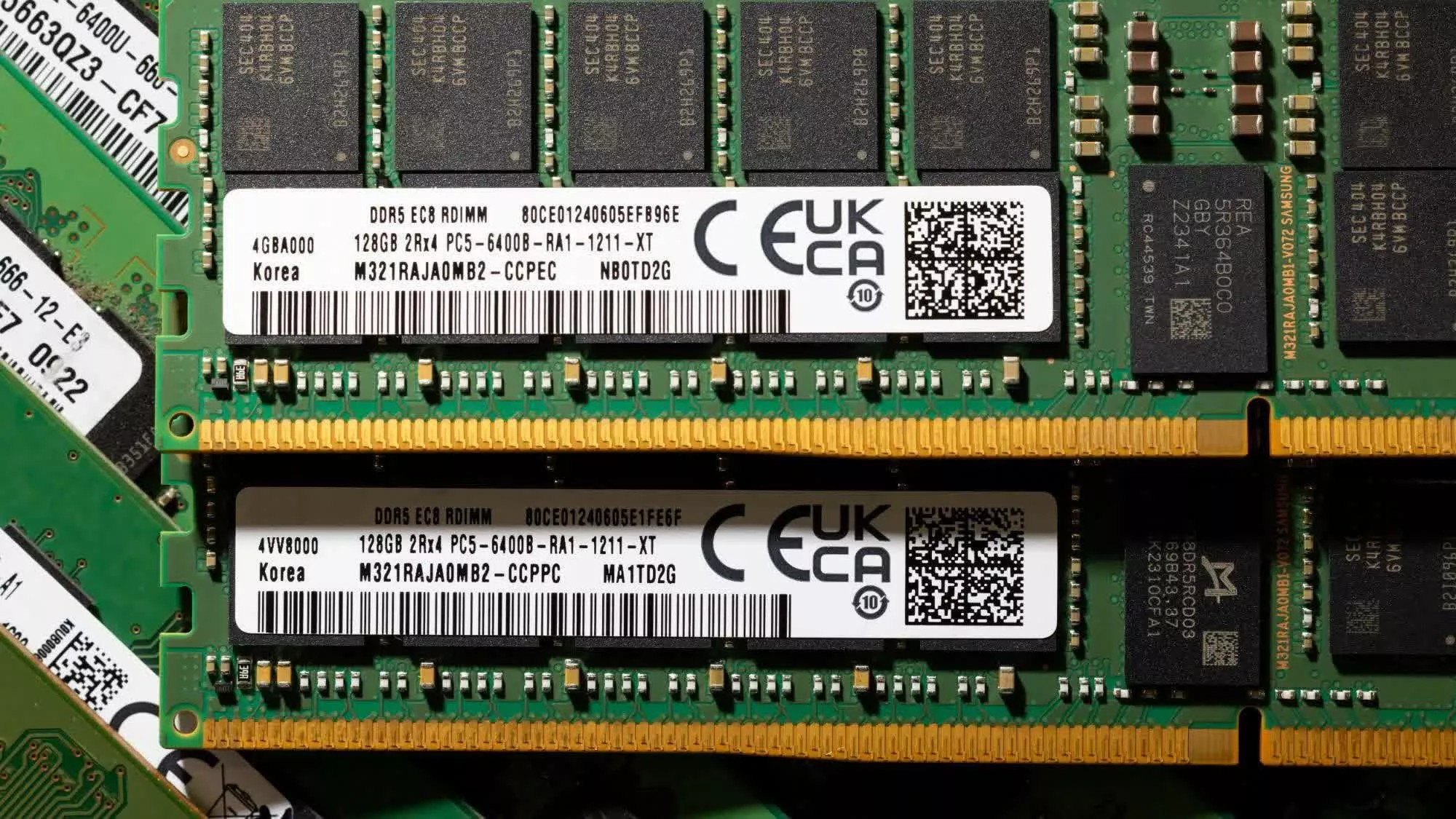
According to a new report from Citrini Research, ChangXin Memory Technologies (CXMT) is growing much faster than expected. The Chinese memory and IDM manufacturer is expected to produce between 350,000 and 375,000 DRAM wafers per month by the end of 2026.
In 2020, CXMT had a capacity of 40,000 WPM for DDR4 production. By the end of 2025, the company had reached a quarterly output of 720,000 wafers.
The new research highlights the growing presence of Chinese DRAM manufacturers amid ongoing semiconductor supply chain challenges and Big Tech's AI data center expansion.
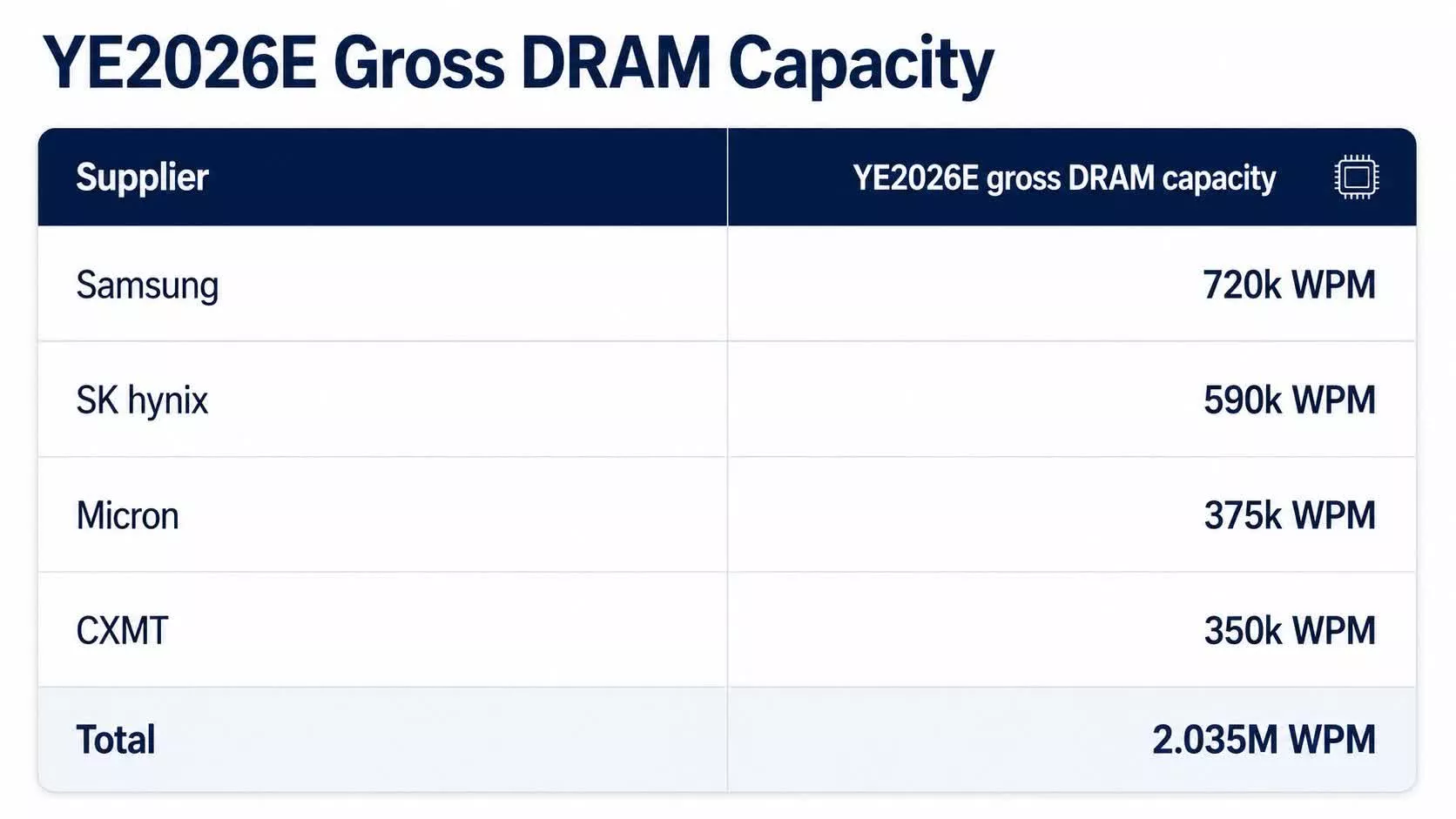
The traditional "Big Three" memory manufacturers are US-based Micron, along with South Korean giants Samsung and SK Hynix. If CXMT can reach 375,000 WPM in 2026, its production capacity would be comparable to Micron's.
Citrini researchers explain that CXMT can add manufacturing capacity faster than memory makers in other parts of the world. Funding is no longer the primary obstacle, as AI companies have driven memory prices and profits sharply higher.
The major constraint affecting CXMT and other Chinese manufacturers is now access to advanced semiconductor manufacturing equipment, which is far more difficult to export legally from the EU to China.
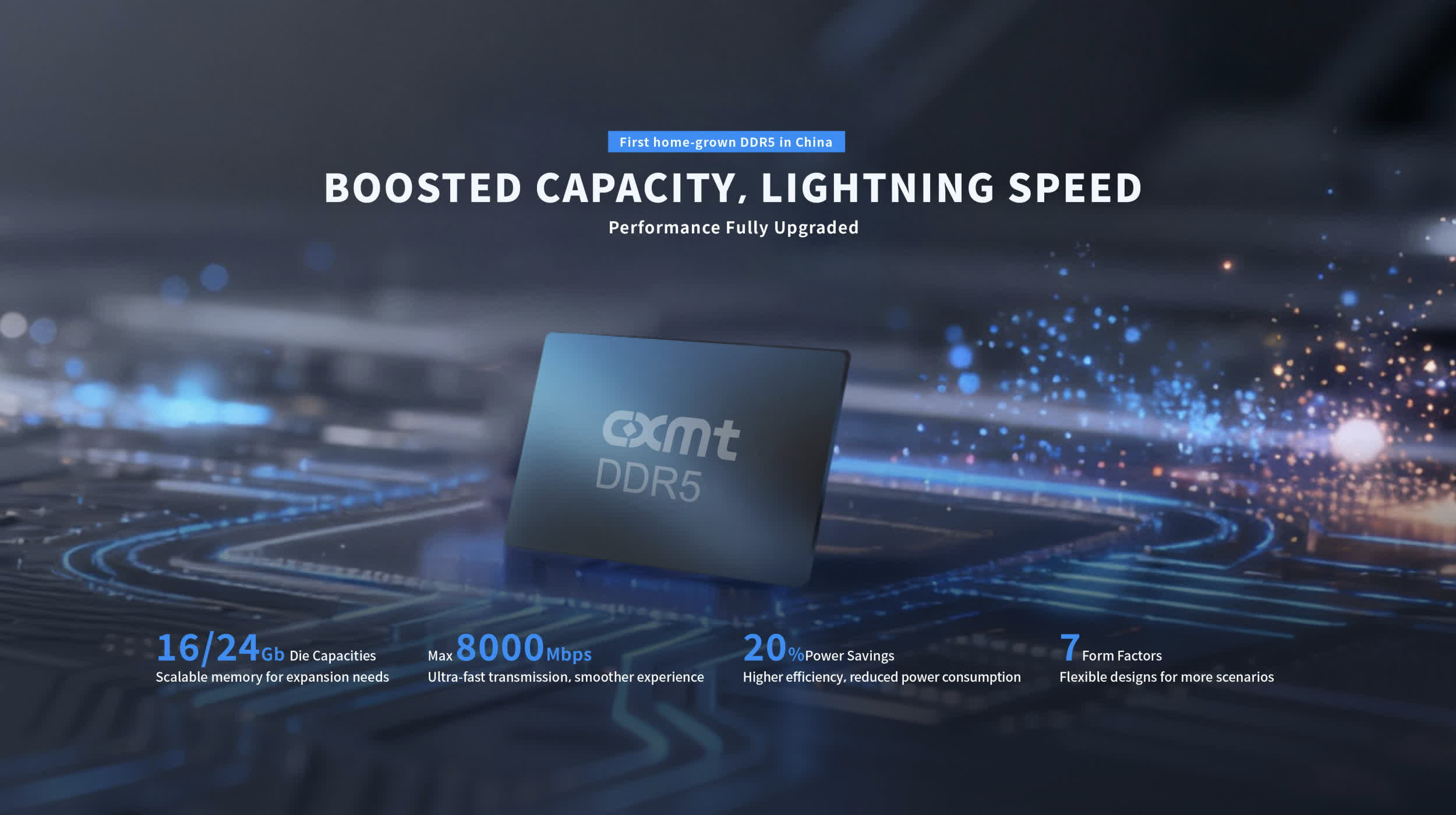
DRAM products "made in China" are quickly gaining ground in Western markets. Memory companies such as Corsair are increasing their reliance on CXMT-produced chips, providing a potential escape from the "unprecedented" prices affecting today's DDR5 memory products.
Citrini said CXMT could eventually expand its production capacity to 950,000 WPM by 2030, becoming China's largest memory manufacturer and one of the biggest memory producers in the world. CXMT still lacks the capability to produce high-performance memory such as HBM products or even high-end DDR5 modules designed for extreme overclocking.
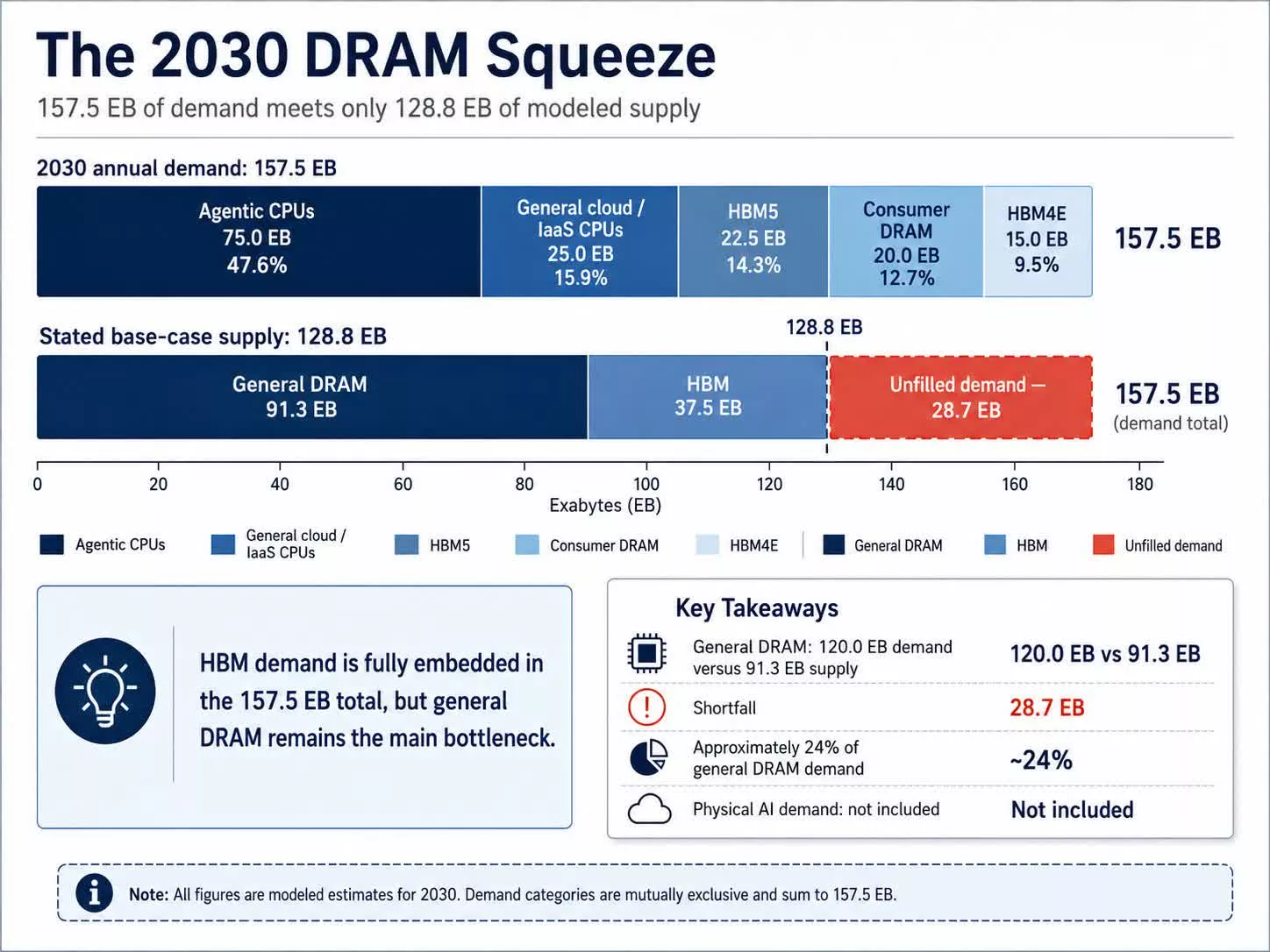
Even if CXMT DRAM modules are not the fastest available, they could still bring a major shift to a struggling memory market where Big Tech and AI companies have left little room for affordable custom PC builds or gaming consoles.
As a result, some users are increasingly looking toward a Chinese memory manufacturer as a potential alternative, arguing that AI-driven demand from Western technology companies is making many consumer electronics products significantly more expensive.


