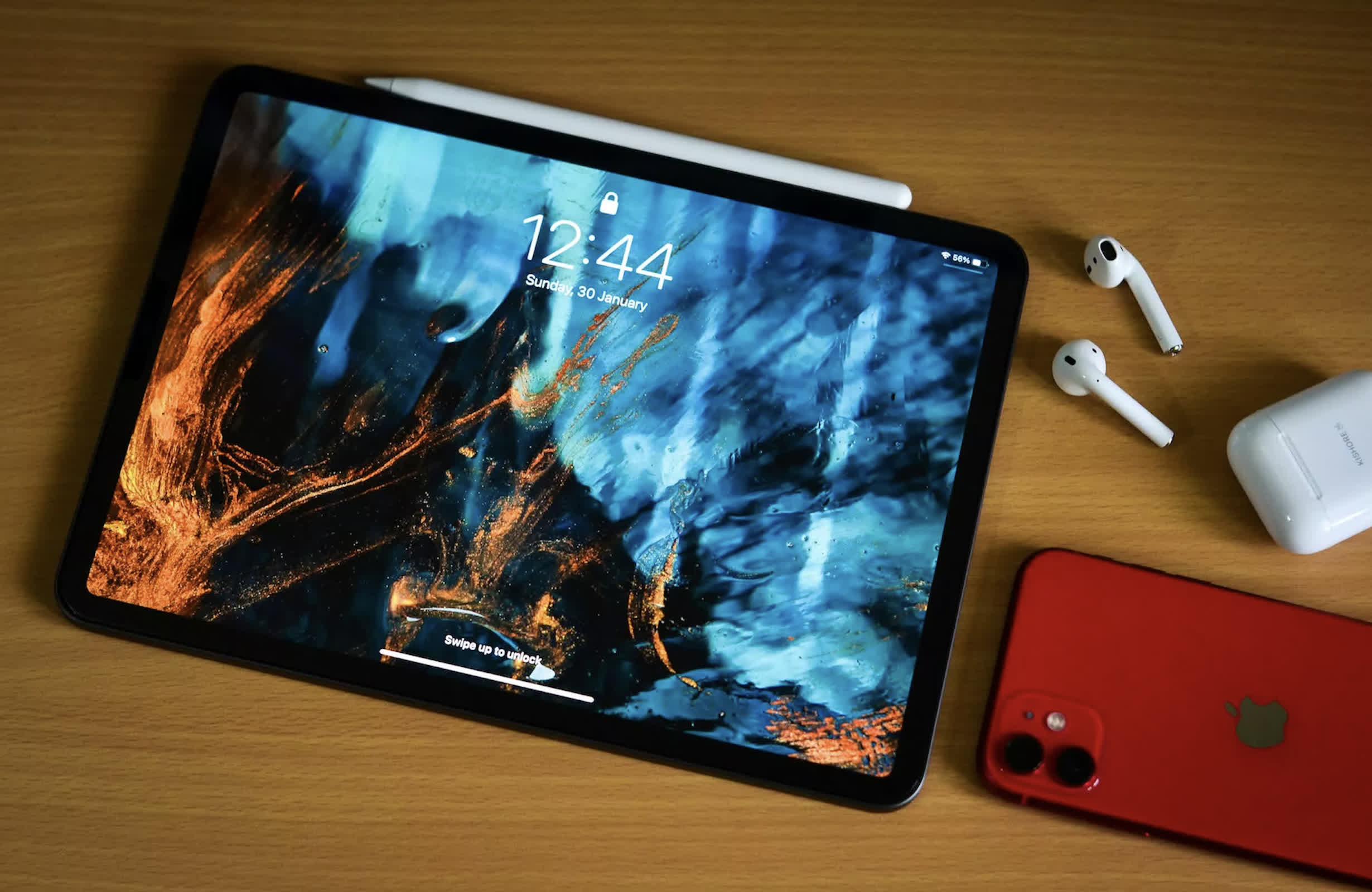
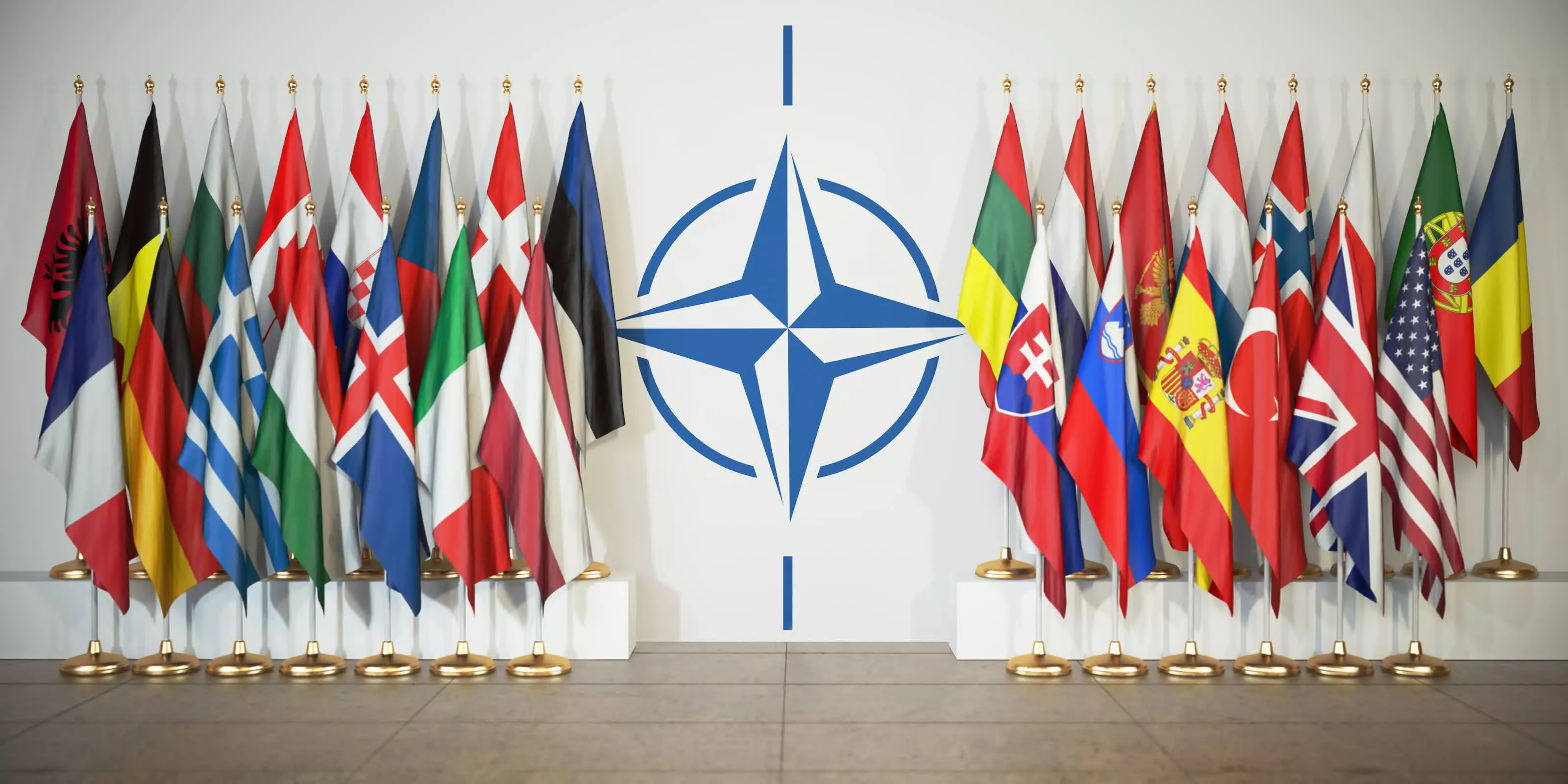
What just happened? Apple has achieved a rare milestone in cybersecurity: its consumer devices are now cleared to handle NATO's restricted-level classified data. The certification, granted after evaluation by German government authorities, extends to iPhones and iPads running iOS 26 and iPadOS 26 and applies to use in all NATO member countries.
The clearance puts Apple in an exclusive position – no other consumer smartphone or tablet maker has ever reached the same security threshold under the alliance's information assurance standards.
The evaluation means that Apple's security architecture – spanning Apple Silicon chips, the Secure Enclave subsystem, and its encryption-driven software layer – meets NATO's requirements for protecting and controlling access to restricted information. Notably, Apple said the approval does not depend on any special software or configuration changes.
The NATO Information Assurance Product Catalogue now lists iOS 26 and iPadOS 26 as eligible for secure handling of core functions such as Mail, Calendar, and Contacts.
Ivan Krstić, Apple's head of security engineering, said the certification reflects Apple's redefinition of secure mobile computing. Krstić noted that before the iPhone's emergence, devices capable of handling sensitive data were limited to specialized government systems requiring extensive custom engineering. Apple's security model, built for mass-market use, now qualifies for government-grade assurance without modification.
At a technical level, Apple's security infrastructure centers on a suite of hardware and software controls aligned with government encryption standards. Memory Integrity Enforcement, for instance, prevents compromised applications from altering protected memory regions, a safeguard critical for defending classified workloads. Combined with the Secure Enclave's cryptographic isolation for biometric logins, Apple's vertically integrated hardware and software form a tightly controlled security environment.
The recognition also signals a broader strategic turn for mobile security across NATO states. By approving commercially available Apple devices, the alliance acknowledges that consumer architectures can achieve equivalence with bespoke, secure systems historically used by government agencies. The move could accelerate the adoption of similar certification frameworks for consumer hardware in military or intelligence environments.
For Apple, the clearance underscores its ongoing effort to position its hardware ecosystem not only as user-friendly but also as defensible under the most exacting global security regimes. The company has previously highlighted its end-to-end encryption and zero-trust design philosophy as competitive advantages in enterprise and government markets. With NATO's restricted-level approval, that argument now carries institutional weight.